Why Are My Fockea comaru Leaves Curling?
Fockea comaru
By the Greg Editorial Team
Jun 10, 2024•5 min read
This article was created with the help of AI so we can cover more plants for you. May contain errors. See one? Report it here.
Unravel the mystery behind your Fockea comaru's leaf curling and learn to fix it for lush, happy plants! 🌿
- Curling leaves signal distress; check for uniform curling and other signs.
- Balance water and light; avoid over/underwatering and provide indirect sunlight.
- Combat pests and diseases with soapy water and by pruning affected areas.
Spot the Signs: Identifying Leaf Curling in Fockea comaru
🍃 Visual cues of leaf curling
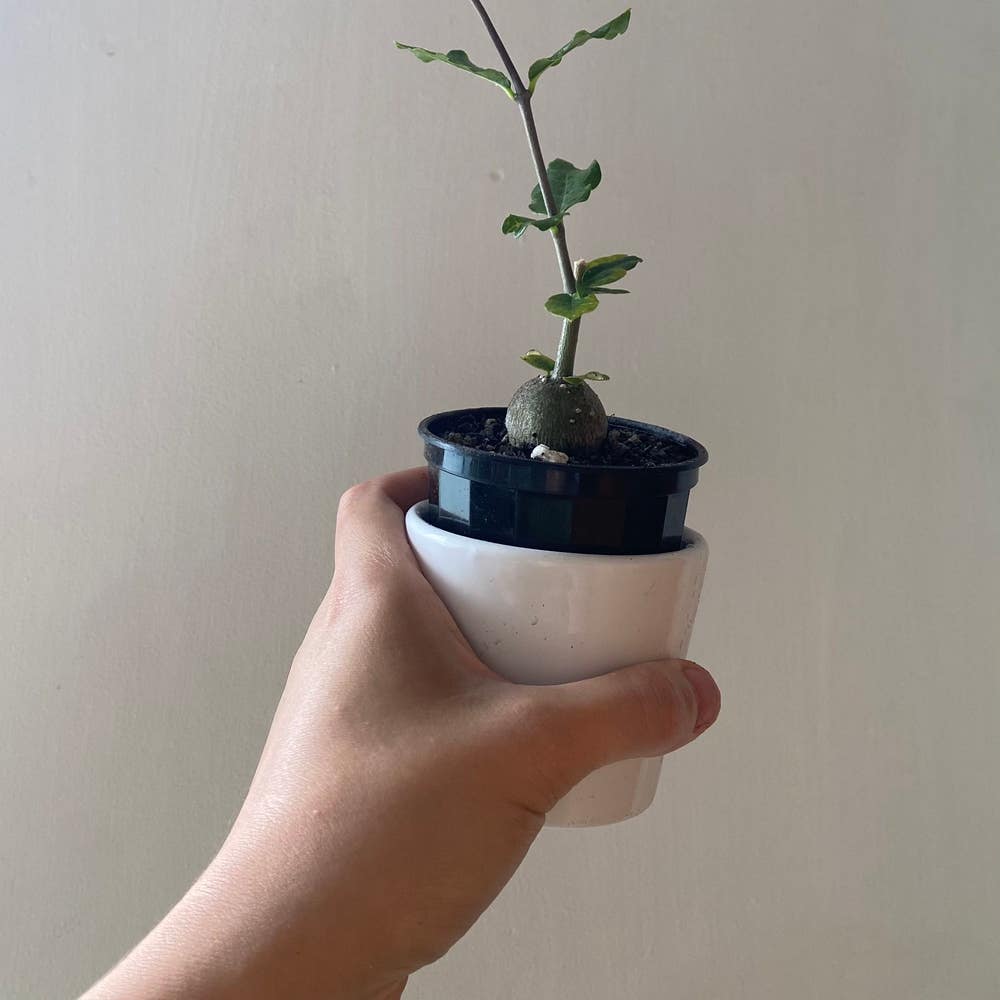
When Fockea comaru leaves start to look more like party streamers than lush foliage, it's time to take note. Curling leaves can range from a slight roll to a tight coil, often accompanied by discoloration or a crispy texture. This is your plant's version of a distress signal, and it's begging for a closer examination.
🔄 Differentiating between natural growth patterns and problematic curling
Not all curling is a cry for help. Fockea comaru has a natural growth pattern that can include some undulation in the leaves. However, when you see leaves curling tighter than a new roll of quarters, it's time to acknowledge that your plant might be in trouble. Look for patterns that deviate from the norm—leaves that are uniformly curled or show signs of distress across the plant are indicators that something's amiss.
The Usual Suspects: Common Causes of Leaf Curling
🌡️ Environmental stressors and their tell-tale signs
Heat stress can turn your Fockea comaru into a leaf-curling contortionist. When the mercury rises, leaves curl inward as if seeking solace from the scorch. Direct sunlight is another culprit, causing leaves to shy away from its intensity. Remember, bright but indirect light keeps your plant from going into defense mode.
Cold stress is like an unexpected ice bucket challenge for your plant. Leaves curl up, trying to conserve heat and protect vital tissue. Humidity is another fickle factor; too low, and leaves curl greedily to retain moisture. Too high, and you might as well roll out the red carpet for fungal infections.
🐜 Pests that love your Fockea comaru a bit too much
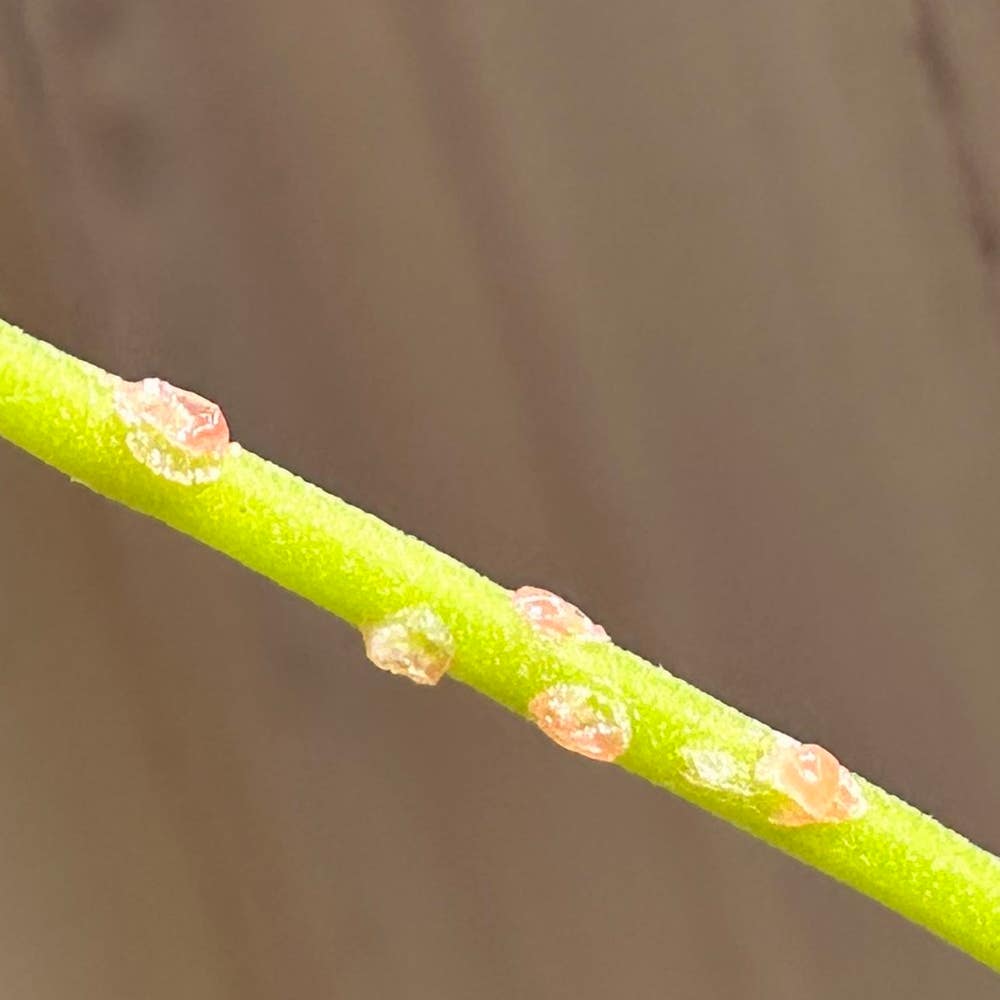
Your plant can become a playground for pests. Spider mites are tiny terrors that suck the life out of leaves, leaving them curled and defeated. Aphids are the gossip mongers, clustering and causing leaves to curl as they spread their sticky mess.
🦠 Diseases that manifest as leaf curling
Fungal infections are the silent saboteurs of the plant world. They creep in, often thriving in high humidity, and before you know it, leaves curl up as if trying to escape. Viral diseases can also cause curling, turning your plant's leaves into a crumpled mess. Removing affected foliage and ensuring good air circulation are key moves to combat these pathogens.
Thirsty Roots or Drowning? Watering Issues Leading to Curling
🌊 Balancing act: The signs of overwatering vs. underwatering
When your Fockea comaru's leaves start to resemble a crinkled mess, it's time to evaluate your watering habits. Overwatering symptoms include yellowing leaves that seem to curl down as if trying to escape a flood. The pot feels like a lead weight, and the soil is more swamp than land. On the flip side, underwatering leaves your plant's foliage curling up, desperately trying to conserve water. The soil feels like a barren wasteland, and the pot is suspiciously light.
💧 Soil moisture and drainage: Getting it just right
Soil moisture should hit the sweet spot – think moist sponge, not a soaked one. Before you water, the top inch of soil should be dry, not parched. Consistency is key; your plant's not looking for a surprise shower or a drought. Room temperature water is your plant's best friend – no shocks here. And if you're second-guessing your touch, a moisture meter can be your guide to the perfect watering rhythm.
Turn the Tide: Solutions to Unfurl Those Leaves
🌞 Adjusting environmental factors for happy leaves
Light is like a plant's best friend, but too much can turn into a frenemy. Position your Fockea comaru to bask in bright, indirect sunlight. If it's getting too much direct sun, introduce some shade to prevent scorching.
Temperature swings are a no-no. Keep your plant away from drafts, heaters, and air conditioners. Aim for a steady, plant-comfy range—think room temperature, not a tropical getaway or arctic expedition.
🛡️ Winning the battle against pests and diseases
Got bugs? Show them the door with a gentle wipe-down using soapy water. For the stubborn gate-crashers, insecticidal soap or neem oil might just do the trick. But hey, spot test first—no one likes an unexpected reaction.
Fungal issues? Cut out the affected areas and remember, dry leaves are happy leaves. Overhead watering is basically an invitation for fungi to party. If you must, go for a targeted fungicide, but treat it like a potent spice—a little goes a long way.
🚰 Watering wisdom: Techniques to correct moisture mishaps
Overwatering is like that friend who overstays their welcome. Let the top inch of soil dry out before giving your plant another drink. When you do water, go for a thorough soak, ensuring excess can drain—no one likes wet feet for too long.
Underwatering can make your plant a drama queen, with leaves curling up in protest. When the soil feels dry a knuckle-deep, it's time to hydrate. Use room-temp water to avoid shocking the roots—consistency is key.
Remember, your Fockea comaru isn't just another pretty face—it's a living, breathing entity that craves balance. Keep an eye on it, tweak your care routine, and watch those leaves unfurl with joy.
⚠️ Safety First
This content is for general information and may contain errors, omissions, or outdated details. It is not medical, veterinary advice, or an endorsement of therapeutic claims.
Always consult a qualified healthcare professional before using any plant as food, medicine, or supplement.
Never eat any plant (or feed one to pets) without confirming its identity with at least two trusted sources.
If you suspect poisoning, call Poison Control (800) 222-1222, the Pet Poison Helpline (800) 213-6680, or your local emergency service immediately.
Spotted an error? Please report it here.
Combat leaf curling in your Fockea comaru by letting Greg balance 🌡 your watering schedule and pest management, ensuring your plant's leaves stay perfectly poised.