Best Potting Soil Mix for Chinese Crown Orchid
Eulophia graminea
By the Greg Editorial Team
Jun 18, 2024•5 min read
This article was created with the help of AI so we can cover more plants for you. May contain errors. See one? Report it here.
- 🚩 Mold and musty odors signal immediate soil intervention.
- 🌱 Choose or mix soil with bark, perlite, and moss for health.
- 🔁 Repot with sterilized soil for tangled or brown roots.
Spotting and Fixing Unhappy Orchid Soil
🚨 Signs Your Orchid's Soil is Down in the Dumps
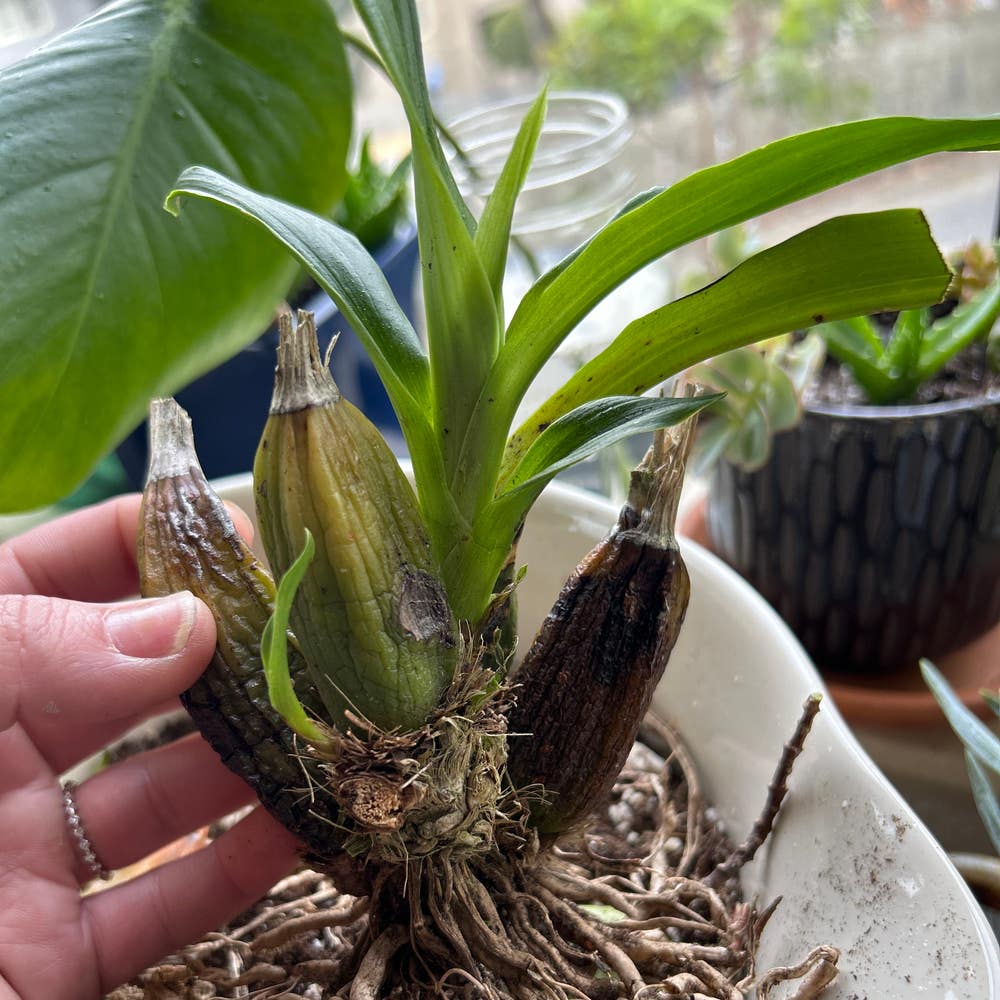
Mold on your orchid's soil isn't just unsightly; it's a red flag. If your orchid's leaves are more limp than a forgotten celery stick in the fridge, take heed. Yellowing leaves? Another SOS signal. And let's not forget the roots—if they're feeling more like a soggy sponge than a firm handshake, you've got trouble. A sniff test can also reveal issues; a musty odor is a telltale sign that your soil's gone south.
🆘 Orchid SOS: Reviving Soil from the Brink
Caught mold? Time to cut back on the H2O and crank up the airflow. Sunlight is mold's worst enemy, so let your plant soak up some rays. Persistent fuzz? It's repotting time. Shake off the old soil, and introduce your orchid to a fresh, sterile mix. Keep it on the drier side to discourage mold's return. If the roots are mushy, it's surgery time—snip the damaged parts. Remember, consistent watering is your best defense against a waterlogged grave. And for the love of orchids, make sure those pot holes aren't clogged—proper drainage is non-negotiable.

Shopping for Your Orchid's Soil Soulmate
🌱 Key Ingredients for a Match Made in Heaven
Finding the right potting mix for your Chinese Crown Orchid is like picking a life partner for your green buddy—it's a big deal. You want a mix that whispers sweet nothings to those tender roots. Bark is your foundation; it's all about breathability. Perlite is the wingman, ensuring proper drainage and aeration. Don't overlook sphagnum moss; it's the hydration hero, keeping moisture levels just right.
🏷️ Decoding Labels: Picking the Best Bag Off the Shelf
When you're in the aisle, staring down an army of bags, remember: labels are your treasure map. A bag that feels like it's on a diet, nice and light, is a good sign—drainage will likely be on point. Spot limestone on the label? That's your pH balancer, keeping things in check. And if your watering habits are forgetful, pair that soil with a terracotta pot—it's a fail-safe for moisture management.
Choose a mix that doesn't cling to water like a stage-five clinger. If you're not up for playing mixologist at home, grab a commercial blend that's got the goods—just make sure it's not packing any unwanted extras for acid-loving plants. Your orchid's roots crave a neutral to slightly acidic pH, so keep those eyes peeled for that detail on the packaging.
Remember, the soil you choose is the bedrock of your orchid's future. No pressure, right?

Crafting the Ultimate DIY Orchid Potting Mix
🌱 The Perfect Recipe for Chinese Crown Orchid Bliss
Creating your own potting mix is like being the chef of a high-end restaurant, but for your orchid. First, grab your primary potting material for aeration. Think Douglas fir bark or coconut husk chips. These are your base ingredients, the foundation of your orchid's future abode.
Second, it's time to consider moisture retention. Sphagnum moss or perlite are your go-to secondary materials. They're the sous-chefs in this operation, ensuring your mix retains just the right amount of moisture without waterlogging the roots.
Mix these at a 5:1 ratio. That's five parts aeration maestro to one part moisture master. This isn't a one-size-fits-all; feel free to tweak the ratios. Orchids are individuals, after all.
⚖️ Balancing Act: Aeration, Drainage, and Moisture Retention
Getting the balance right is key. Too much water, and your orchid's roots are swimming; too little, and they're reaching for a drink that isn't there. Aeration is crucial. Your mix should be loose and airy, like a well-fluffed pillow, allowing roots to breathe and preventing rot.
Drainage is the unsung hero. It's not about the water you give, but the water that leaves. Ensure your mix allows excess to escape with dignity. Perlite is your ally here, the bouncer at the club door, letting the right amount of water hang out.
Moisture retention is the balancing act. Not too clingy, not too distant. Sphagnum moss or coco coir can hold onto that moisture just long enough for the roots to sip what they need.
Remember, this is a trial-and-error journey. Don't be afraid to adjust and adapt. Your orchid will thank you with vibrant blooms.

When Soil Goes South: Troubleshooting and Treatment
🔄 The Reboot: Repotting Your Orchid for a Fresh Start
Repotting is like hitting the reset button for your Chinese Crown Orchid. When roots start doing the tango in a tangled mess, it's time to give your plant some legroom. Here's the lowdown:
- Root check – If they're brown and squishy, it's repotting o'clock.
- Out with the old – Gently remove your orchid, shaking off the old soil.
- Snip-snip – With sterilized scissors, cut away any dead or rotten roots.
- Fresh digs – Place your orchid in a larger pot with new, airy potting mix.
🔬 Sterilize and Salvage: Saving Soil and Orchids
Soil gone bad? Don't toss it just yet. Sterilization can bring it back from the dead. Here's how to play doctor:
- Bake it – Spread the soil on a baking sheet and pop it in the oven. Low heat for 30 minutes should zap the nasties.
- Freeze it – If you're not in a baking mood, freezing for 24 hours can also kill off soil pathogens.
- Chemical help – Fungicides are your friend, but use them as a last resort.
Remember, airflow is key. Orchids aren't fans of stuffy environments; they crave that breezy, tropical vibe. Keep the air moving and your orchid won't throw a fit.
⚠️ Safety First
This content is for general information and may contain errors, omissions, or outdated details. It is not medical, veterinary advice, or an endorsement of therapeutic claims.
Always consult a qualified healthcare professional before using any plant as food, medicine, or supplement.
Never eat any plant (or feed one to pets) without confirming its identity with at least two trusted sources.
If you suspect poisoning, call Poison Control (800) 222-1222, the Pet Poison Helpline (800) 213-6680, or your local emergency service immediately.
Spotted an error? Please report it here.
Ensure your Chinese Crown Orchid thrives with a balanced potting mix and get personalized repotting reminders 📅 from Greg to maintain perfect soil health.