Top 5 Pot Features Your Echeveria 'Topsy Turvy' Will Love 🪴
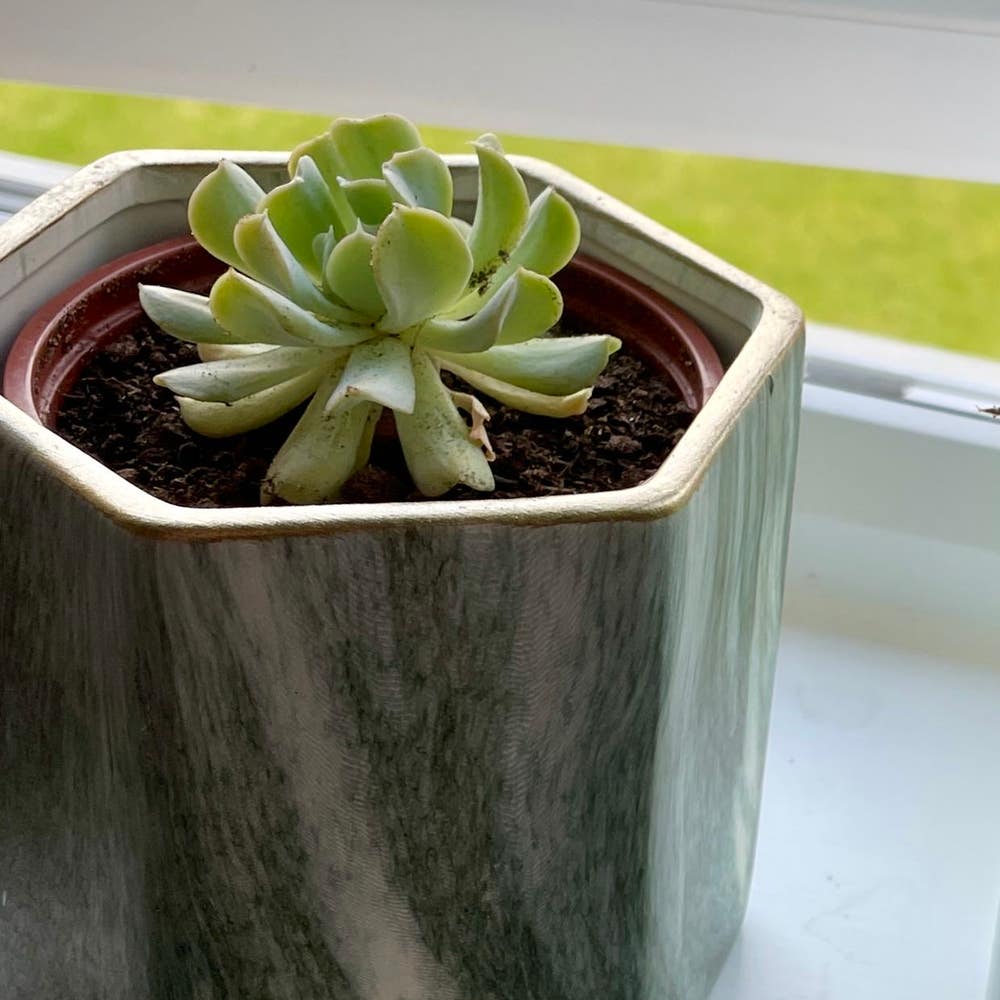
Echeveria runyonii 'Topsy Turvy'
By the Greg Editorial Team
Sep 29, 2024•3 min read
This article was created with the help of AI so we can cover more plants for you. May contain errors. See one? Report it here.
- 🌱 Choose the right pot size: 2-4 inches for seedlings, 6-8 for mature plants.
- 🏺 Material matters: Clay pots breathe well, while plastic retains moisture longer.
- 🔄 Repot every 1-2 years to ensure healthy growth and prevent root issues.
Pot Selection for Echeveria 'Topsy Turvy'
Pot Sizes for Different Growth Stages 🌱
Choosing the right pot size is crucial for your Echeveria 'Topsy Turvy' at various growth stages.
Seedling Stage
For seedlings, a pot size of 2-4 inches in diameter is ideal. This size promotes proper root development while preventing excess soil moisture.
Juvenile Stage
As your plant matures, transition to a 4-6 inch pot. This size provides ample space for growth while maintaining a balanced moisture level.
Mature Stage
Once your Echeveria reaches maturity, opt for a 6-8 inch pot. This accommodates full growth and ensures adequate drainage.
Container Size Impact on Growth
Be mindful of the pot size. A pot that's too small restricts root growth, leading to stunted plants. Conversely, a pot that's too large increases the risk of overwatering and root rot.
Ideal Pot Materials 🪴
The material of your pot can significantly affect your plant's health.
Clay Pots
Benefits:
- Breathability: Clay pots allow airflow to the roots, reducing moisture retention.
- Aesthetic Appeal: Their natural look beautifully complements the succulent's appearance.
Drawbacks:
- Weight: Clay pots can be heavy, making them less portable.
- Porosity: They may dry out faster, requiring more frequent watering.
Plastic Pots
Benefits:
- Lightweight: Easy to move and rearrange as needed.
- Moisture Retention: Holds moisture longer, which is beneficial in dry conditions.
Drawbacks:
- Less Breathable: Can lead to root rot if not monitored carefully.
- Aesthetic Limitations: May not have the same visual appeal as clay.
Repotting Guidelines 🔄
Knowing when and how to repot is essential for your Echeveria's health.
When to Repot
Look for signs that indicate the need for repotting:
- Roots visible through drainage holes.
- Soil dries out too quickly or retains too much moisture.
It's recommended to repot every 1-2 years, depending on growth rate and pot size.
Choosing the Right Pot
When selecting a new pot, assess the current size. Choose one that is 1-2 inches larger in diameter.
Consider the material based on moisture retention needs and ensure the new pot has adequate drainage holes.
Common Potting Mistakes ❌
Avoid these common pitfalls to keep your Echeveria thriving.
Choosing Pots Without Drainage: This increases the likelihood of root rot and fungal issues. Always check for drainage holes before purchasing.
Using Inappropriate Materials: Non-breathable materials can lead to poor airflow and moisture retention. Stick to clay or well-ventilated plastic pots.
Seasonal Considerations for Potting 🌸
Timing your repotting can make a significant difference.
Best Times to Repot
- Spring: This is the ideal time to repot as plants enter their active growth phase.
- Fall: Repotting can also be done if plants show signs of being root-bound.
Seasonal Growth Patterns
During spring and summer, Echeveria grows actively, so choose pots that support this growth. In fall and winter, growth slows, so consider pots that retain moisture slightly longer.
With these guidelines, your Echeveria 'Topsy Turvy' will thrive in the perfect pot! Next, let’s explore the ideal pot materials to further enhance your plant's environment.
⚠️ Safety First
This content is for general information and may contain errors, omissions, or outdated details. It is not medical, veterinary advice, or an endorsement of therapeutic claims.
Always consult a qualified healthcare professional before using any plant as food, medicine, or supplement.
Never eat any plant (or feed one to pets) without confirming its identity with at least two trusted sources.
If you suspect poisoning, call Poison Control (800) 222-1222, the Pet Poison Helpline (800) 213-6680, or your local emergency service immediately.
Spotted an error? Please report it here.
Ensure your Echeveria 'Topsy Turvy' thrives in the perfect pot 🪴 by using Greg's tailored reminders and expert tips for optimal growth and health!