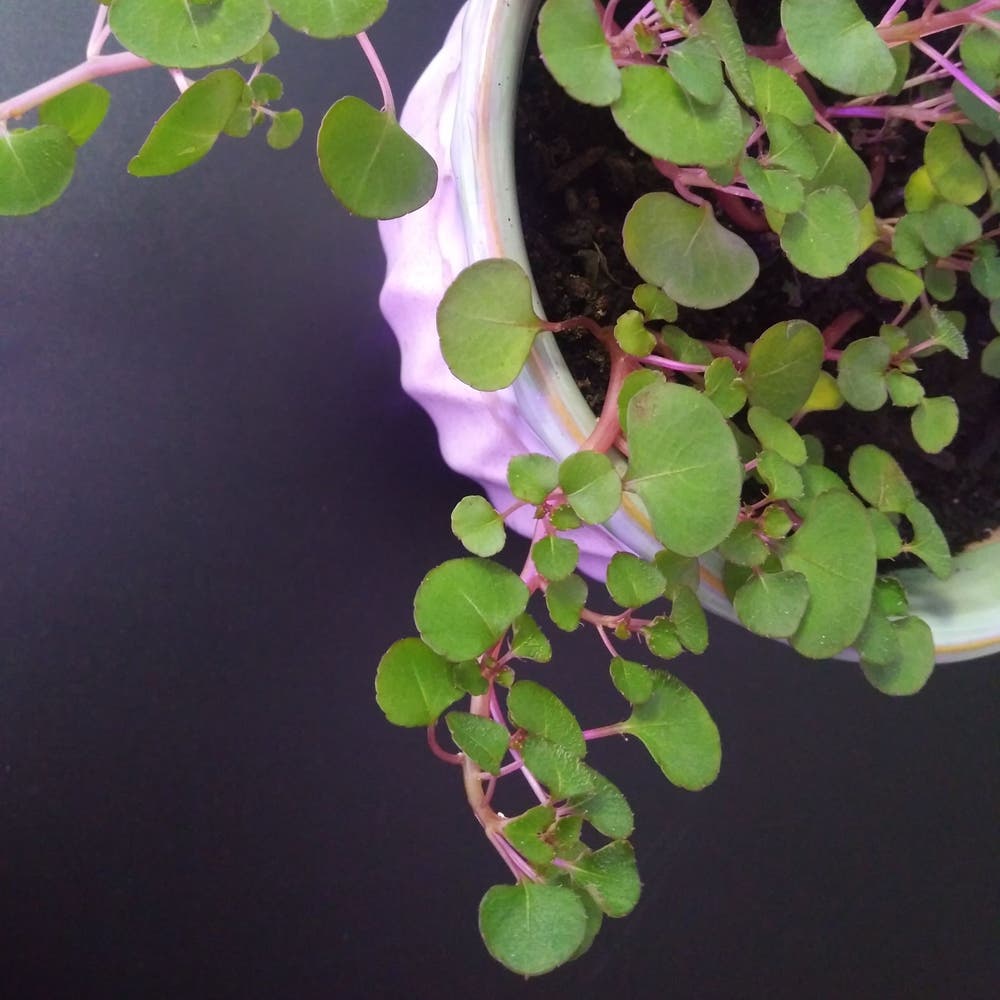
How Do I Cure Yellow Impatiens Root Rot?
Impatiens repens
By the Greg Editorial Team
Apr 09, 2024•3 min read
This article was created with the help of AI so we can cover more plants for you. May contain errors. See one? Report it here.
Save your Yellow Impatiens from root rot 🌼 with expert rescue and prevention tips!
- 🌱 Prune damaged roots and adjust watering to combat root rot.
- 🛡️ Use copper-based fungicides safely, following label instructions.
- 🌧️ Ensure proper drainage with the right pots and soil mix.
Spotting the Trouble: Recognizing Root Rot in Yellow Impatiens
🚩 Yellowing Leaves and Wilting: The First Alarms
Yellow leaves and a droopy demeanor in your Yellow Impatiens are red flags, not a request for more H2O. These are the first cries for help from a plant in the grips of root rot.
📉 Stunted Growth and Mushy Roots: Confirming the Diagnosis
When your plant's growth seems to have hit the brakes and the roots feel like they've turned into a squishy mess, it's time for a root intervention. This is the undeniable proof that root rot has taken hold.
First Response: Immediate Actions to Combat Root Rot
🌱 Cutting Back: Pruning the Damage
Snip the rot, not your hopes. When root rot attacks your Yellow Impatiens, it's surgery time. Grab your sterilized shears and cut away the brown, mushy roots. Be precise—too little, and the rot lingers; too much, and you jeopardize recovery. After the amputation, disinfect with a copper-based fungicide. It's like a plant band-aid, keeping out those pesky pathogens.
💧 Drying Out: Adjusting Your Watering Habits
Halt the H2O. Your watering can is not your friend here. Let the soil dry out; dampness is a root rot rave. Adjust your routine—think of it as a leaky faucet that needs tightening. Only water when the soil is dry to the touch, and even then, show some restraint. It's not just a recovery step; it's a new watering wisdom to live by.
Fungicide to the Rescue: Choosing and Using the Right Products
🍄 Picking Your Potion: Safe Fungicides for Yellow Impatiens
When root rot threatens your yellow impatiens, fungicides are your ally. Not all are created equal, so choose with care. Broad-spectrum fungicides, like chlorothalonil or mancozeb, are often recommended. They act as a barrier, preventing spores from taking hold. But here's the kicker: always, and I mean always, follow the label. It's not just guidance; it's the law of the land for plant care.
🌿 Application Mastery: How and When to Apply Fungicides
Now, let's talk application. Think of it as a strategic battle against invisible foes. Protective gear is non-negotiable—gloves, mask, the works. Mix your fungicide with precision; this isn't a cocktail you can eyeball. Coverage is crucial—get under those leaves, hit every nook and cranny. Timing is everything, apply at the first sign of trouble or as a preventive measure. And keep your pets and kids away; this is not a family affair. Remember, reapplication is part of the game—check the label for the encore schedule.
Building Defenses: Preventative Measures for Future Health
💧 Water Wisdom: Mastering the Art of Irrigation
Timing is everything when it comes to watering your Yellow Impatiens. Ditch the calendar-based approach; your plants aren't waiting for Tuesday to get thirsty. Check the soil; if it's dry to the touch, it's time to water. Early morning is prime time, letting the sun dry out any splash-happy leaves. Overwatering is the fast track to root rot, so keep it moderate.
🏡 The Perfect Home: Soil and Pot Selection
Choosing a pot for your Yellow Impatiens isn't just about aesthetics. Drainage holes are non-negotiable; think of them as an escape route for excess water. Pair that pot with a well-draining soil mix—a blend of peat, perlite, and compost works wonders. It's like creating a comfy, breathable bed for your plant's roots. Remember, a happy root system is the key to a flourishing plant.
⚠️ Safety First
This content is for general information and may contain errors, omissions, or outdated details. It is not medical, veterinary advice, or an endorsement of therapeutic claims.
Always consult a qualified healthcare professional before using any plant as food, medicine, or supplement.
Never eat any plant (or feed one to pets) without confirming its identity with at least two trusted sources.
If you suspect poisoning, call Poison Control (800) 222-1222, the Pet Poison Helpline (800) 213-6680, or your local emergency service immediately.
Spotted an error? Please report it here.
Ensure your Yellow Impatiens stay healthy and vibrant 🌼 by following Greg's custom watering plan to prevent root rot and promote flourishing growth.