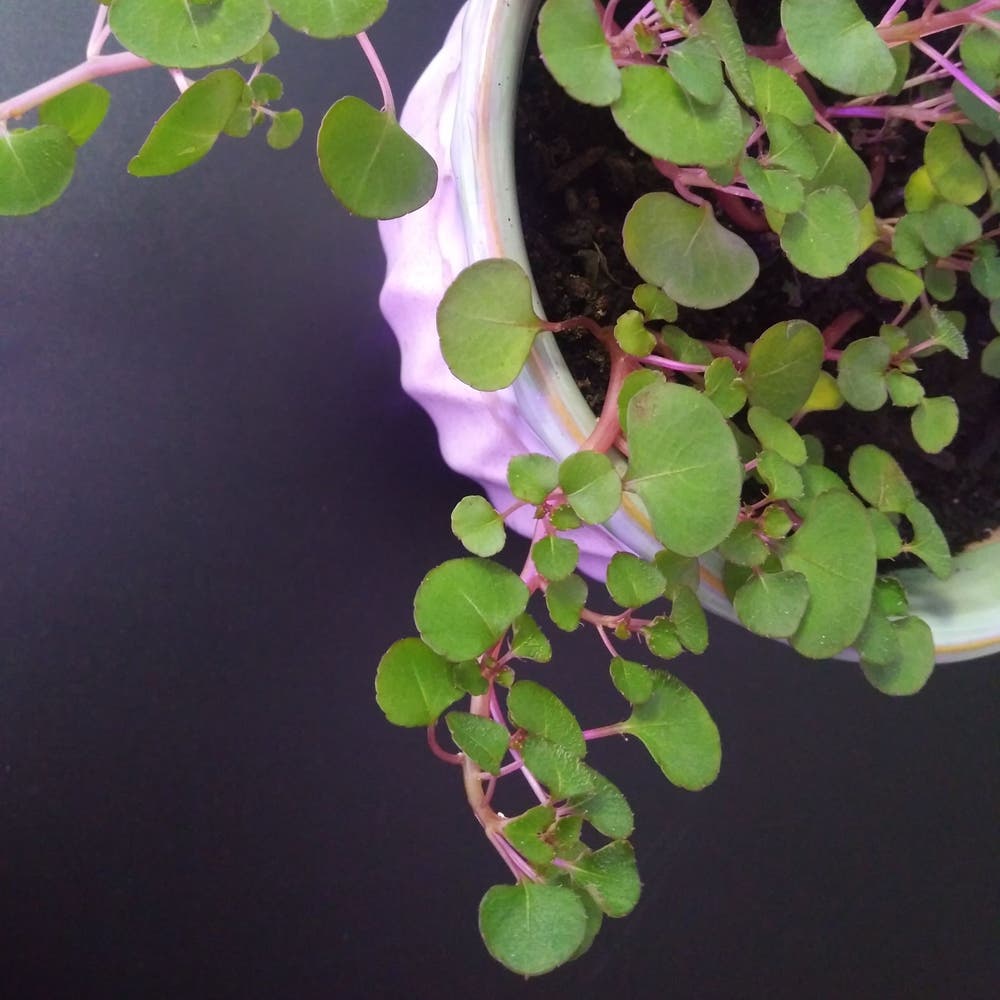
Common Yellow Impatiens Problems
Impatiens repens
By the Greg Editorial Team
Apr 09, 2024•3 min read
This article was created with the help of AI so we can cover more plants for you. May contain errors. See one? Report it here.
Safeguard your sunny Impatiens 🌼 from wilting woes to pest plagues with these essential care tips!
- 🌼 Yellow leaves and wilting? Overwatering may be the culprit—improve drainage.
- 🌞 Brown edges? Too much sun—move your Impatiens to indirect light.
- 🐛🍄 Pests or fuzzy growths? Use pest control and improve airflow to combat infestations.
When Water Works Against You
💧 Over-watering Woes
Yellowing leaves and wilting might scream overwatering, but they're really a cry for balance. If your Impatiens' soil feels like a wet sponge, it's time to dial back.
Black spots or browning tips? Your plant's telling you to reassess your watering habits. Let the soil dry out a bit—think of it as a plant detox. Ensure your pot has proper drainage; no plant likes wet feet.
🏜️ Under-watering Symptoms
Drooping leaves and soil pulling away from the pot's edge are your Impatiens' way of saying it's parched. It's not being dramatic; it's neglected.
Establish a consistent watering routine. Let the soil dry slightly between waterings to quench your plant's thirst without drowning it. Always check the soil moisture before reaching for the watering can—your plant will thank you.
Light and Temperature: Finding the Sweet Spot
🌞 Too Much Sun, Too Little Shade
Brown edges and discolored foliage are telltale signs your Yellow Impatiens might be getting too much sun. To prevent leaf scorch, consider shifting to the shade. Adjust plant placement to an area with bright, indirect light, like the comfort of dappled sunlight under a tree canopy. Rotating the plant can also prevent one-sided sunburn.
❄️ Chilly Woes and Heat Strokes
Weak growth and leaf drop signal temperature stress. Your Impatiens prefer it not too hot, not too cold, but just right. To keep it comfy, maintain a stable environment. Avoid placing your plant near drafty windows or under the direct blast of heating and cooling systems. During extreme weather, be it a heatwave or a cold snap, take measures to stabilize the temperature around your Impatiens.
Pests and Pathogens: Uninvited Guests
🐛 Bug Battles
In the tug-of-war with pests, your Yellow Impatiens might show signs of distress. Holes in leaves and the sight of the critters themselves are the red flags.
Seeing the Signs
Keep an eye out for aphids' sticky residue, or spider mites' fine webbing. Scale insects might masquerade as bumps on stems and leaves.
Fighting Back
To evict these freeloaders, a strong water jet or insecticidal soap can be your first line of defense. For a more natural approach, consider releasing predatory mites or lady beetles to turn the tide in your favor.
🍄 Fungal Frustrations
Fungi can be stealthy invaders, often signaled by discolored leaves and fuzzy growths.
Mold and Mildew Markers
Powdery mildew and mold love to party in the damp and dark. If you spot them, it's time to crash their bash.
Fungus Among Us
Boost airflow and keep leaves dry to prevent fungal gatecrashers. If they've already made themselves at home, a targeted fungicide might be necessary. Remember, prevention is key—maintain cleanliness and avoid wetting the foliage to keep these uninvited guests from settling in.
Root Rot: The Silent Killer
🕵️ Detecting Below the Surface
Root rot is stealthy, attacking your Yellow Impatiens' roots out of sight. Wilting leaves that don't recover with watering and a foul stench from the soil are distress signals.
🚑 Root Rescue: Repotting and Root Care
When root rot strikes, it's time for intervention. Gently remove the plant from its pot, shake off soil, and inspect the roots. Healthy roots should be firm and white, while rotten ones are mushy and dark.
Prune the affected roots with sterilized shears, and repot in fresh, well-draining soil. Choose a pot with adequate drainage to prevent future episodes. Remember, overwatering is a common culprit—moderation is key.
⚠️ Safety First
This content is for general information and may contain errors, omissions, or outdated details. It is not medical, veterinary advice, or an endorsement of therapeutic claims.
Always consult a qualified healthcare professional before using any plant as food, medicine, or supplement.
Never eat any plant (or feed one to pets) without confirming its identity with at least two trusted sources.
If you suspect poisoning, call Poison Control (800) 222-1222, the Pet Poison Helpline (800) 213-6680, or your local emergency service immediately.
Spotted an error? Please report it here.
Keep your Impatiens blooming beautifully by following Greg's personalized reminders 🌼, ensuring just the right amount of water, sun, and care!