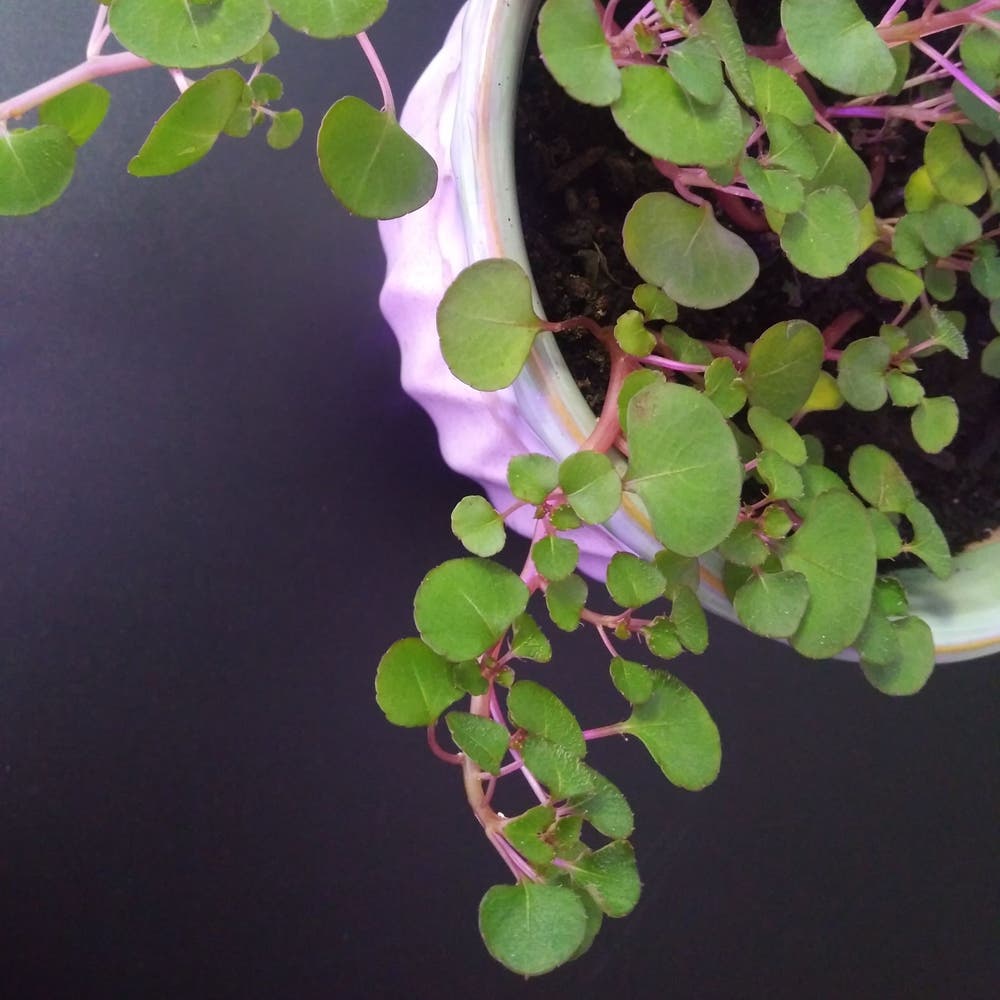
Black Spots on My Yellow Impatiens Leaves
Impatiens repens
By the Greg Editorial Team
Apr 09, 2024•4 min read
This article was created with the help of AI so we can cover more plants for you. May contain errors. See one? Report it here.
Rescue your garden's sunshine 🌞—learn to banish black spots from Yellow Impatiens with ease! 🌿
- Fungal, bacterial, or environmental causes for black spots on Impatiens.
- Treatment varies: fungicides for fungi, copper for bacteria, and care adjustments for environment.
- Prevent with good habits: proper watering, air circulation, and regular plant checks.
Spotting the Culprit: Identifying Black Spots on Your Impatiens
🕵️ Visual Clues
Tiny black specks on your Yellow Impatiens? They're not part of the design. These spots can appear anywhere, from the top of the leaves to the underside. Ignore them, and they'll expand into larger, more damaging blotches.
🦠 Fungal vs. Bacterial vs. Environmental
Fungal spots? They're orderly, like tiny soldiers in formation, and can feel powdery. Bacterial spots are the wild ones—chaotic, potentially slimy, and they might reek of trouble. Environmental stress? It's less about spots and more about overall leaf discoloration or crispy areas.
Watering habits play a role too. Overdoing it can make your Impatiens' soil soggy, a welcome mat for fungi and bacteria. Keep the air moving and the leaves dry; it's like telling these party crashers they're not invited.
The Usual Suspects: Common Causes of Black Spots
🍄 Fungal Foes
Downy mildew and botrytis blight are the party poopers for your Yellow Impatiens. These fungal infections start as unassuming spots and can rapidly turn into a full-blown leaf crisis. Downy mildew is like a stealthy invader, often revealing itself with a fuzzy underside. Botrytis blight, on the other hand, is the fungus that throws a spore-filled rave, leaving your plant looking like it's been through a botanical mosh pit.
🦠 Bacterial Baddies
Bacterial leaf spot is the ninja of plant problems, striking fast and leaving behind water-soaked lesions or spots with a yellow halo. Unlike the fungal foes, these spots can ooze or give off a distinctly un-plant-like stench. It's a silent alarm that your Impatiens are in bacterial distress, and it's time to spring into action.
🌿 Environmental Enemies
Sometimes, you're the unwitting villain in your plant's story. Overwatering, poor drainage, or excessive light can cause black spots that are essentially your Impatiens crying out for a change. These spots are the plant's SOS, signaling that it's high time to reassess your care routine and give your green friends the environment they deserve.
The Battle Plan: Treating Black Spots
🍄 Fungus Among Us: Getting Rid of Fungal Infections
Fungal infections are like uninvited guests at your Impatiens' party. Fungicides are your bouncers, showing them the door. Go for potassium bicarbonate or copper-based solutions, but don't just splash it around; apply with sniper-like precision. Always read the label – it's not just fine print, it's the rulebook.
Rotate your fungicides to keep the fungi on their toes – nobody likes a predictable host. And remember, water at the base to avoid giving fungi a moist handshake. If you spot infected leaves, show no mercy; pluck them off and dispose of them like they're ticking time bombs.
🦠 Bacteria Be Gone: Tackling Bacterial Infections
Bacterial infections require a surgical approach. Sterilize your tools – we're talking clean enough to eat off. Then, with the care of a bomb squad, prune the infected areas. Dispose of the clippings like they're contaminated material, because, in the world of plants, they are.
Copper-based fungicides are your antibiotics here. Apply as if you're painting a masterpiece, covering every nook and cranny. Follow the directions like they're a treasure map, leading to the X that marks a healthy plant. Keep a vigilant eye and reapply as needed – this is a marathon, not a sprint.
🌿 Environmental Adjustments
Sometimes, the problem is in the mirror. Overzealous watering or a stagnant, muggy environment can turn your Impatiens into a fungal frat house. Adjust your watering habits – the goal is to quench thirst, not create a swamp. Ensure your plants get enough light, like a spotlight on a stage, and promote air circulation – a gentle breeze can be a breath of fresh air against fungal foes. Keep the leaves dry; fungi find that about as appealing as a desert to a fish.
Keeping It Clean: Prevention Strategies
🌱 Cultural Practices
Cleanliness is non-negotiable. Remove fallen leaves and debris regularly to prevent fungal and bacterial playgrounds. Pruning isn't just aesthetic; it's a tactical maneuver against disease. Sterilize your shears and make precise cuts to avoid giving pathogens an entry point.
🕵️ Monitoring and Maintenance
Vigilance is key. Conduct regular inspections of your Impatiens for early signs of trouble. Adjust care routines promptly when you spot potential issues. Keep a care log; it's the historical record of your plant's health and your interventions. This log will help you spot patterns and tailor your care more effectively.
Remember, prevention isn't a one-off task—it's a continuous commitment. Stay on top of these strategies, and your Impatiens will reward you with their vibrant, spotless beauty.
⚠️ Safety First
This content is for general information and may contain errors, omissions, or outdated details. It is not medical, veterinary advice, or an endorsement of therapeutic claims.
Always consult a qualified healthcare professional before using any plant as food, medicine, or supplement.
Never eat any plant (or feed one to pets) without confirming its identity with at least two trusted sources.
If you suspect poisoning, call Poison Control (800) 222-1222, the Pet Poison Helpline (800) 213-6680, or your local emergency service immediately.
Spotted an error? Please report it here.
Keep your Impatiens spot-free 🌿 with Greg's custom care logs and community advice, ensuring your plants stay healthy and vibrant!