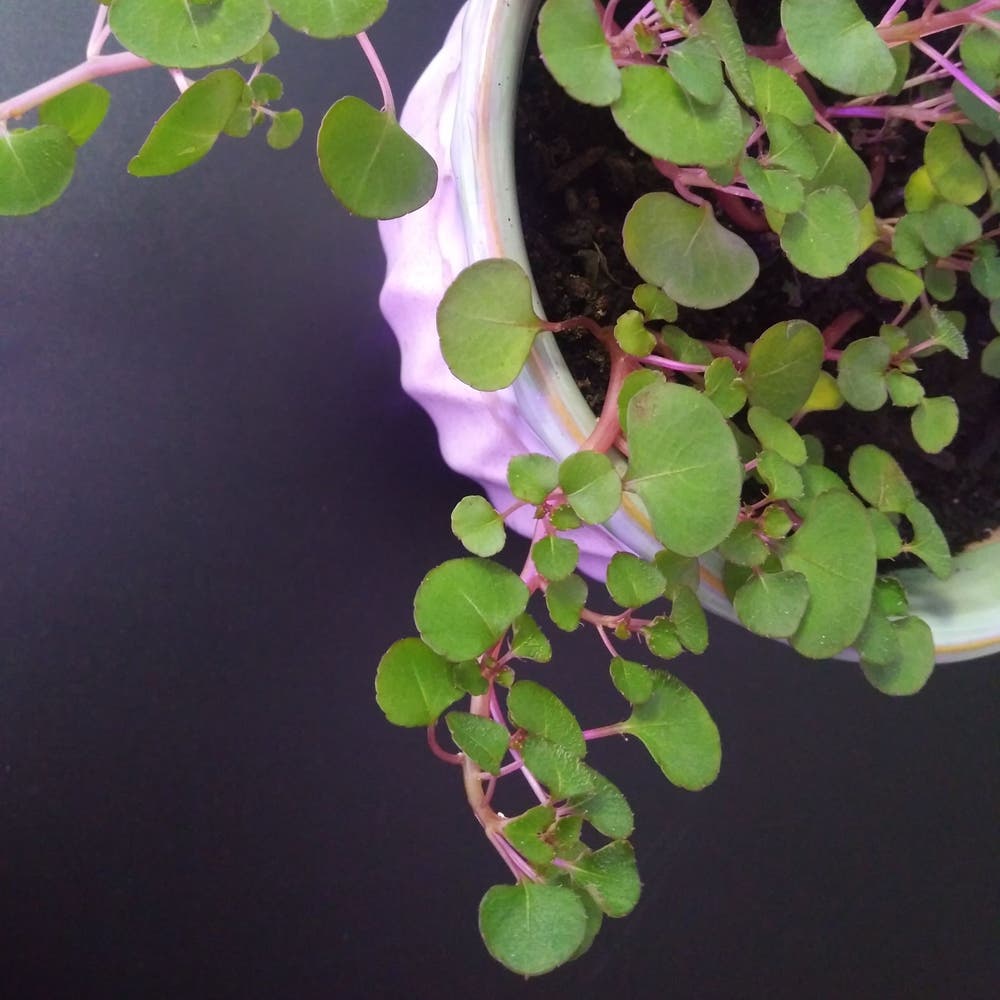
💧 Why Are My Yellow Impatiens Leaves Mushy?
Impatiens repens
By the Greg Editorial Team
Apr 09, 2024•3 min read
This article was created with the help of AI so we can cover more plants for you. May contain errors. See one? Report it here.
Stop mushy leaves from ruining your Yellow Impatiens with these proven plant-saving strategies! 🌼🛠️
- Overwatering and poor drainage lead to mushy leaves in Yellow Impatiens.
- Root rot and pathogens can also cause leaves to become mushy.
- Adjust watering, soil, and pruning to maintain healthy plants.
Spotting the Trouble: Signs Your Yellow Impatiens Has Mushy Leaves
🌿 Visual Symptoms
Mushy leaves on your Yellow Impatiens are a cry for help. Dark spots or a wilted look are the plant's distress signals. If the leaves remind you of a damp sponge, it's time to take action. Don't ignore leaves that fall off at the slightest touch; they're telling you something's not right.
🔍 Root Check
To really get to the bottom of things, a root inspection is key. Slip on your detective gloves and gently unearth the roots. Healthy roots should be firm and white, not brown and mushy. If they resemble overcooked noodles, you've got a serious problem. A foul odor? That's the stench of root rot. Act fast—root rot waits for no one.
The Usual Suspects: Common Causes of Mushiness
💧 Too Much Love: The Perils of Overwatering
Overwatering is the silent assassin of Yellow Impatiens. It's a classic case of too much of a good thing turning sour. Roots suffocate without air, leading to a mushy graveyard of leaves.
🌊 Under the Surface: The Drainage Dilemma
Poor drainage acts like a clingy friend to your plant's roots – it just won't let go. Water that overstays its welcome is a one-way ticket to mush city for your leaves.
🦠 Unwanted Guests: Fungal and Bacterial Villains
Fungi and bacteria are the party crashers nobody invited. They sneak in, turning your plant's leaves into a mushy disaster. Spots on leaves are the calling card of these pathogens.
Turning Things Around: Fixing Mushy Leaves
💧 Water Wisely
Adjusting your watering habits is essential to combat mushy leaves. Only water when the top inch of soil is dry, as overwatering is often the root of the problem. It's about getting in sync with your plant's thirst, not drenching it on a schedule.
🌱 Soil Solutions
Revamp your plant's environment with well-draining soil. Mix in perlite or coarse sand to promote aeration. Think of it as giving your plant's roots room to breathe. Avoid waterlogging by ensuring the soil isn't holding onto excess moisture like a sponge.
✂️ Clean Cuts: Pruning and Sanitation
Pruning isn't just for aesthetics; it's a vital defense strategy. Remove mushy leaves with sterilized shears to prevent disease spread. Sanitize your tools after each cut to keep your plant's environment as clean as a whistle.
Keeping It Solid: Prevention Tactics
💧 Monitoring Moisture
Moisture meters: your undercover agents in the garden. They provide precise soil moisture levels, so you can water with confidence. Remember the finger test: if the top inch is dry, it's time to water. No more guesswork, no more mush.
🏺 Choosing the Right Home: Container Considerations
Drainage holes are a must-have feature in pots to prevent waterlogging. Terra cotta pots trump plastic for their breathability, helping soil dry out more efficiently. Size matters too; a pot too large for your plant can hold excess moisture, inviting trouble.
🛡️ Defending Your Plant: Disease Prevention
Keep your tools and containers sanitized to ward off disease. A well-draining potting mix is your first line of defense—consider adding perlite or coarse sand to improve aeration. And don't forget, proper watering isn't just a practice, it's a prevention strategy against fungal and bacterial foes.
⚠️ Safety First
This content is for general information and may contain errors, omissions, or outdated details. It is not medical, veterinary advice, or an endorsement of therapeutic claims.
Always consult a qualified healthcare professional before using any plant as food, medicine, or supplement.
Never eat any plant (or feed one to pets) without confirming its identity with at least two trusted sources.
If you suspect poisoning, call Poison Control (800) 222-1222, the Pet Poison Helpline (800) 213-6680, or your local emergency service immediately.
Spotted an error? Please report it here.
Prevent mushy leaves 🍃 on your Yellow Impatiens by letting Greg tailor your watering plan, ensuring just the right amount of moisture for vibrant, healthy growth.