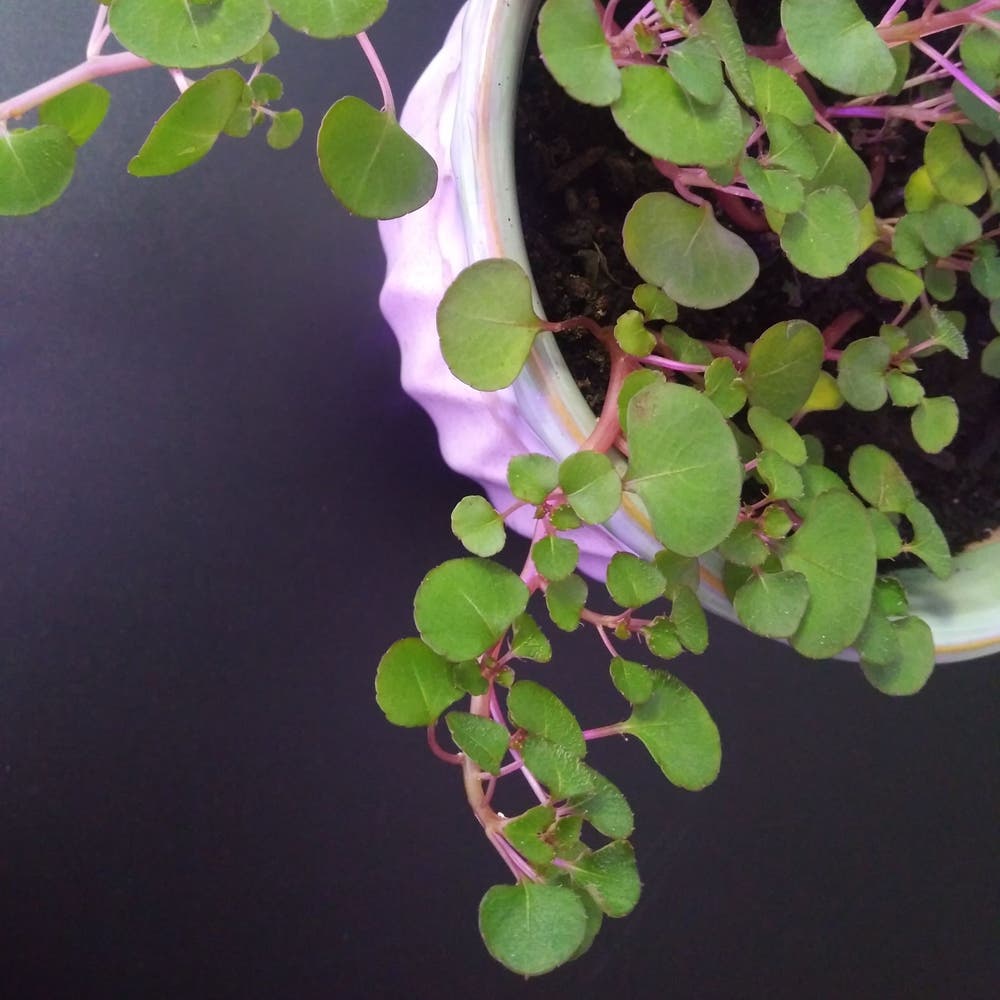
Why Are There Brown Spots on My Yellow Impatiens?
Impatiens repens
By the Greg Editorial Team
Apr 09, 2024•3 min read
This article was created with the help of AI so we can cover more plants for you. May contain errors. See one? Report it here.
Banish brown spots 🍂 on your Yellow Impatiens with expert care and savvy prevention tactics!
- Brown spots signal distress in Yellow Impatiens, often with yellowing leaves.
- Treatment includes fungicides/bactericides, but always follow label instructions.
- Prevent spots with proper care: sunlight, spacing, and cleanliness.
Spotting the Trouble: Identifying Brown Spots
🍂 What Do Brown Spots Look Like?
Brown spots on Yellow Impatiens are like unwanted guests at a garden party. Size varies, from tiny specks to large patches that can dominate a leaf's real estate. Their shape? Irregular, often with edges that could be sharply defined or as blurry as a poorly taken photograph. They're not picky about location, either. You'll find them center stage on a leaf, lurking along the edges, or even on the flip side, the underside.
🚩 Other Tell-tale Signs
But wait, there's more. Yellowing leaves often accompany these brown interlopers, waving a flag that something's amiss. And if your Impatiens' stems are drooping like a teenager's posture, that's another sign. These symptoms don't operate in isolation; they're part of a broader narrative of plant distress. Vigilance is key—catching these early can mean the difference between a quick fix and a plant obituary.
Fixing the Spotty Situation: Treatment Tactics
🦠 Kicking Fungal and Bacterial Culprits to the Curb
Fungicides and bactericides are the heavyweights in your plant care arsenal. Read labels with the focus of a detective—your plant's health depends on it. Apply these treatments with care, ensuring you cover every inch of your Impatiens. Consistency is key, so follow the application schedule to a T, but never over-apply. Overuse can be just as harmful as the disease itself.
🌿 Adjusting Your Plant's Lifestyle
Sometimes, it's not about adding more, but rather adjusting what's already there. Ensure your Impatiens have optimal conditions: tweak the watering to keep leaves dry, adjust light to avoid scorching, and promote airflow to discourage unwelcome guests. It's like rearranging furniture for better feng shui, but for plant health.
🛡️ Cultural Combat
Sanitize your gardening tools with the precision of a surgeon to prevent disease spread. Ensure proper drainage because soggy soil is a fungal playground. If your Impatiens are packed tighter than a rush-hour subway, give them space to breathe. Crowding can turn your garden into a disease rave.
🌱 Natural Remedies
For those who prefer the organic route, baking soda mixtures or biofungicides can be your go-to. They're like the neighborhood watch for your plants, keeping an eye out for trouble. Apply with precision—think of it as painting a miniature, where every stroke counts.
⚗️ When to Go Chemical
If cultural and natural methods don't cut it, chemical fungicides or bactericides might be necessary. Like calling in the pros when a DIY fix fails, these treatments should be used as directed, with the precision of a chef following a recipe. Remember, the goal is to cure your plant, not overwhelm it.
Keeping Your Impatiens Spot-Free: Prevention Plans
🧼 Cleanliness is Key
Hygiene isn't just for humans; it's plant care 101. Keep your gardening tools as sterile as a hospital's operating room. Fallen leaves? Treat them like clutter in a minimalist's home—remove promptly. This isn't just tidying up; it's disease prevention.
🏡 The Right Spot for Your Pot
Location, location, location—it's as important for plants as it is in real estate. Give your Impatiens the luxury of space; overcrowding is the equivalent of a packed elevator during flu season. Aim for the Goldilocks zone of sunlight—bright but not scorching—and watch your Impatiens thrive without the drama of brown spots.
⚠️ Safety First
This content is for general information and may contain errors, omissions, or outdated details. It is not medical, veterinary advice, or an endorsement of therapeutic claims.
Always consult a qualified healthcare professional before using any plant as food, medicine, or supplement.
Never eat any plant (or feed one to pets) without confirming its identity with at least two trusted sources.
If you suspect poisoning, call Poison Control (800) 222-1222, the Pet Poison Helpline (800) 213-6680, or your local emergency service immediately.
Spotted an error? Please report it here.
Prevent brown spots on your Yellow Impatiens and maintain a healthy garden 🌱 with Greg's tailored care plan, ensuring you tackle issues proactively with the right conditions and reminders.