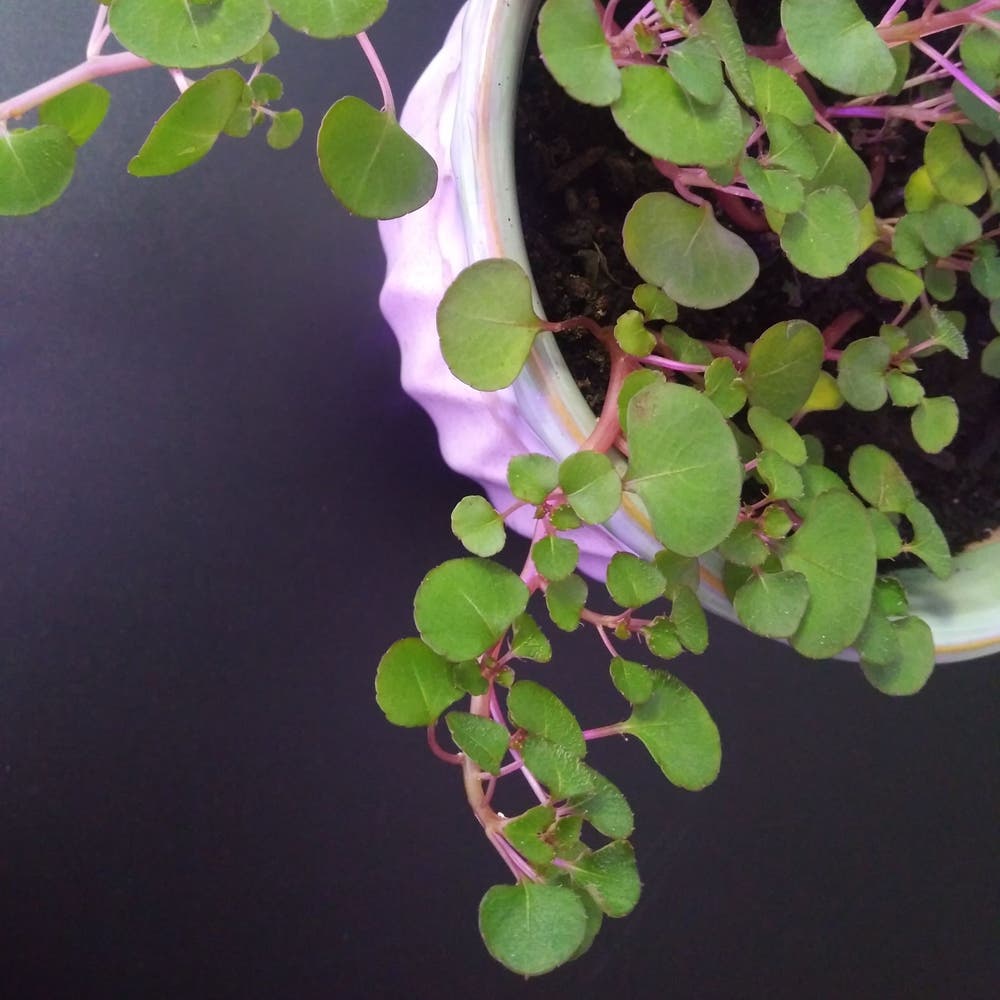
Should I Repot My Yellow Impatiens?
Impatiens repens
By the Greg Editorial Team
Apr 09, 2024•4 min read
This article was created with the help of AI so we can cover more plants for you. May contain errors. See one? Report it here.
Ensure your yellow Impatiens flourish 🌼 by mastering the perfect repotting technique!
- 🌼 Yellow leaves signal distress; consider repotting for better growth.
- Choose a pot 1-2 inches larger with drainage to prevent root harm.
- Balance water, light, and soil post-repotting for thriving Impatiens.
When Your Yellow Impatiens Craves a New Home
Roots on the run—if they're poking out of drainage holes or surfacing like a submarine, it's time to consider a bigger pot. Yellow leaves can signal distress, often due to overwatering or poor drainage, not just a quirky change in fashion.
🕵️ Spotting the Tell-Tale Signs: Crowded Roots and Water Woes
Cramped roots and water that zips through the pot like a kid on a waterslide are your plant's way of saying, "I need more room!" If the soil feels like a swamp or, conversely, a desert, your watering routine might need a rethink.
📈 Understanding Growth Spurts: When Size Really Does Matter
When your Impatiens' growth spurts are more like growth stalls, it's not just being dramatic—it's cramped. A pot that's more confining than a straightjacket is a no-go. Look for a cozy upgrade, about 1-2 inches larger in diameter, to give those roots the space they deserve without drowning them in excess soil.
Choosing the Perfect Pot
Selecting the right size pot for your Yellow Impatiens is like threading a needle—precision is key. Opt for a pot that's 1-2 inches larger in diameter than the current one to avoid the perils of overwatering or cramped growth.
🏺 Pot Material Matters Too
🏺 Terracotta
Terracotta pots are the breathable jeans of the plant world—great for aeration but can leave you watering more often than you'd like. They're the go-to for those who tend to over-love with water.
🥤 Plastic
Plastic pots are the raincoats—excellent at retaining moisture but can lead to root rot if you're not vigilant. They're lightweight and cost-effective, making them a popular choice for gardeners on the move.
🏺 Ceramic
Ceramic pots are the stylish middle-grounders. They offer moderate breathability and retain moisture better than terracotta without the risk of waterlogging that comes with plastic. Plus, they add a touch of class to any space.
Remember, regardless of material, drainage holes are non-negotiable. Your Impatiens' roots despise soggy conditions as much as cats despise water. Choose wisely, and your Impatiens will thank you with vibrant growth and blooms.
The Art of Repotting
Repotting your Yellow Impatiens isn't just a chore; it's an upgrade for your plant's living quarters.
🌱 Prepping Your Plant
Water your Impatiens a day before the big move. This makes the roots more flexible and easier to work with, like a pre-stretch before a marathon. When it's go-time, coax the plant out gently. If the roots play hardball, don't hesitate to give the pot a squeeze or a tap to loosen their grip.
🌿 The Right Soil for Success
Mixing the perfect potting cocktail for your Yellow Impatiens requires equal parts peat, perlite, and potting soil. This blend is the trifecta of drainage, moisture retention, and breathability.
Aeration is non-negotiable. Roots need oxygen as much as they need water, so think light and airy, not dense and suffocating. As for pH, aim for the sweet spot between 5.5 and 6.5 to ensure your Impatiens can absorb all the nutrients it needs without a hitch.
After the Move: Caring for Your Repotted Plant
💧 Watering Wisdom
After the repotting dance, hold off on watering your Yellow Impatiens for a day or two; let those roots do some healing first. When it's time, water thoroughly but ensure drainage is on point to avoid soggy soil syndrome. Overwatering is the nemesis of new roots, so aim for moist, not marshy.
🌱 The First Few Weeks: Monitoring and Adjusting Care
In the weeks following the pot switcheroo, your Impatiens are acclimating. Bright, indirect light is their jam, as direct sun can stress the tender roots. Keep an eye out for new growth – it's like a high-five from your plant. If you notice any wilting or discoloration, it's time to reassess your watering strategy or shuffle the plant to a better spot. Remember, it's not about drowning your plant in care, but about striking that perfect balance.
⚠️ Safety First
This content is for general information and may contain errors, omissions, or outdated details. It is not medical, veterinary advice, or an endorsement of therapeutic claims.
Always consult a qualified healthcare professional before using any plant as food, medicine, or supplement.
Never eat any plant (or feed one to pets) without confirming its identity with at least two trusted sources.
If you suspect poisoning, call Poison Control (800) 222-1222, the Pet Poison Helpline (800) 213-6680, or your local emergency service immediately.
Spotted an error? Please report it here.
Ensure your Impatiens thrive in their new home and avoid yellow distress with Greg's 🌱 custom reminders for the ideal watering schedule and pot environment.