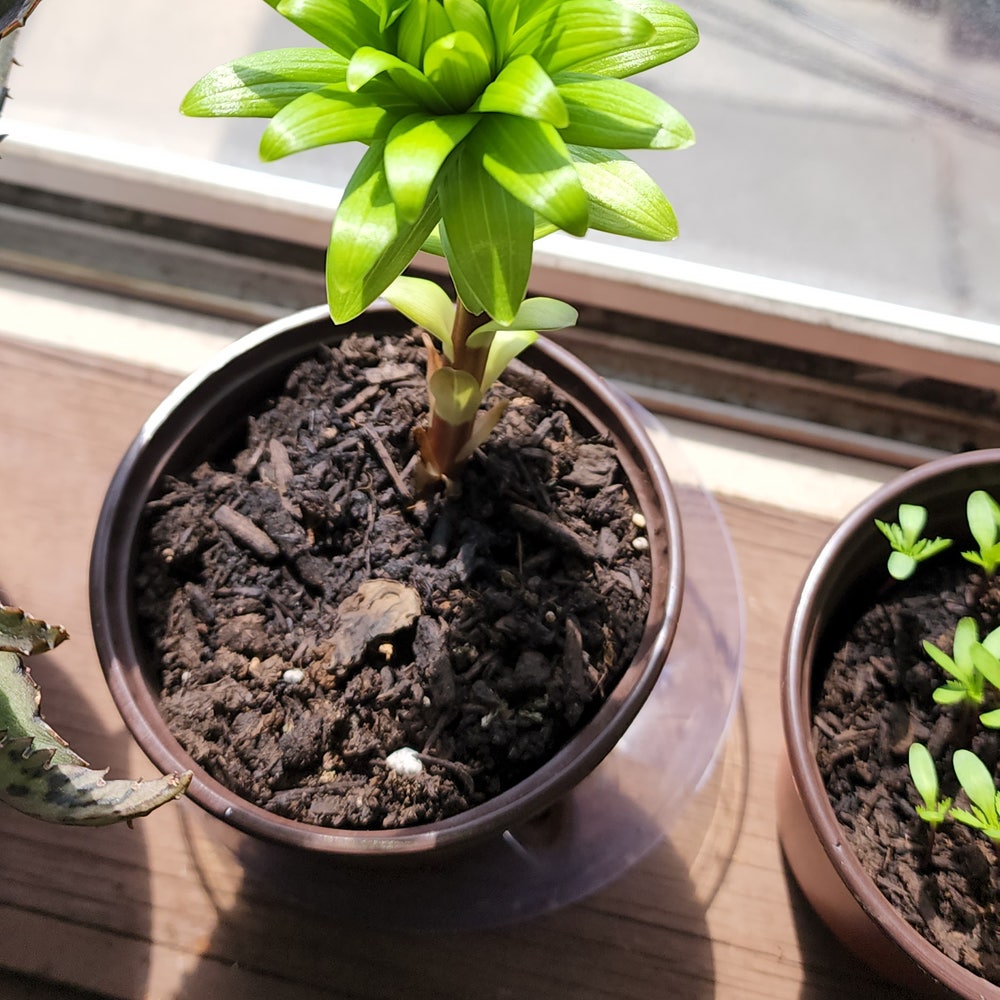
🌸 Determining What Might Be Eating Your Stargazer Lily
Lilium 'Stargazer'
By the Greg Editorial Team
Oct 09, 2024•6 min read
This article was created with the help of AI so we can cover more plants for you. May contain errors. See one? Report it here.
Safeguard your stargazer lilies from pesky herbivores 🌱 and cultivate a vibrant garden ecosystem!
- 🦌 Identify herbivores like deer and rabbits that threaten your stargazer lilies.
- 🚫 Use barriers like fences and netting to protect your plants from damage.
- 🌼 Encourage pollinators while managing herbivores for a balanced garden ecosystem.
Common Herbivores Affecting Stargazer Lily
🦌 Deer
Signs of presence
Look for tracks, which appear as hoof prints in muddy areas. You might also find dark, pellet-like droppings near your plants.
Type of damage
Deer love to browse on leaves and flowers, leading to significant damage to your stargazer lilies. This can result in a noticeable decline in plant health.
Beneficial or harmful interaction
Interactions with deer are generally harmful. They can decimate lily populations if not managed properly.
Deterrent methods (difficulty: moderate)
To keep deer at bay, consider erecting 8-foot tall fences. You can also use commercial deer repellents or homemade solutions like garlic spray to deter them.
🐇 Rabbits
Signs of presence
Rabbits leave behind chewed stems and leaves. Their small, round droppings scattered around are another telltale sign.
Type of damage
These critters gnaw on stems and leaves, which can stunt the growth of your lilies. This damage can be particularly severe for young plants.
Beneficial or harmful interaction
Rabbits are generally harmful to your garden. They can cause significant damage if their populations are not controlled.
Deterrent methods (difficulty: easy)
A simple solution is to cover your plants with mesh netting. You can also use organic repellents, like cayenne pepper, to deter rabbits.
🐿️ Squirrels
Signs of presence
Squirrels may leave chewed bulbs and digging marks around the base of your plants. You might also hear scratching sounds in nearby trees.
Type of damage
These animals can damage bulbs and flowers, leading to reduced flowering. This can be frustrating for any gardener.
Beneficial or harmful interaction
Squirrels are generally harmful as they disrupt plant growth. Their activities can lead to a less vibrant garden.
Deterrent methods (difficulty: moderate)
Consider using humane traps to catch and relocate squirrels. Noise deterrents, such as wind chimes or motion-activated devices, can also help.
🐦 Birds
Signs of presence
Look for peck marks on flowers and leaves. Nests nearby or frequent visits can also indicate bird activity.
Type of damage
Birds can eat seeds and flowers, which leads to reduced plant vigor. This can affect the overall health of your stargazer lilies.
Beneficial or harmful interaction
Birds can be both beneficial and harmful. While some help with pollination, others can cause damage to your plants.
Deterrent methods (difficulty: easy)
Using scare tactics, like reflective objects or scarecrows, can deter birds. Netting can also be effective in preventing access to your plants.
🐭 Rodents (mice, voles)
Signs of presence
Look for tunnels in the soil and droppings near the base of your plants. Gnaw marks on stems and roots are also common indicators.
Type of damage
Rodents can cause root damage and gnawing, leading to weakened plants. This can ultimately threaten the survival of your lilies.
Beneficial or harmful interaction
Rodents are generally harmful. If left unmanaged, they can lead to plant death.
Deterrent methods (difficulty: moderate)
Using snap traps or live traps can help control rodent populations. Additionally, habitat modification—like removing debris and tall grass—can reduce their hiding spots.
🦡 Groundhogs/Woodchucks
Signs of presence
Look for burrows near your garden and chewed plants. Disturbed soil around the base of your plants can also signal their presence.
Type of damage
Groundhogs can eat entire plants, leading to significant loss. This can be devastating for any gardener.
Beneficial or harmful interaction
Interactions with groundhogs are generally harmful. They can devastate garden areas if not managed effectively.
Deterrent methods (difficulty: hard)
To deter groundhogs, consider burying wire mesh 12 inches deep to prevent burrowing. Strong scents, like castor oil, can also act as effective repellents.
Understanding these common herbivores is crucial for protecting your stargazer lilies. By implementing effective deterrent methods, you can enjoy a thriving garden while minimizing damage from these pesky animals. Next, let’s explore the beneficial animals that can enhance your garden ecosystem.
Beneficial Animals
🐝 Pollinators
Pollinators play a crucial role in the health of your Stargazer Lily and the overall garden ecosystem. They are essential for pollination, which leads to seed production and vibrant plant health.
Attracting beneficial insects can significantly enhance biodiversity in your garden. This not only supports your lilies but also creates a thriving environment for various plant species.
🌼 Positive Impact on Stargazer Lily and Garden Ecosystem
Pollinators contribute to the vitality of your Stargazer Lily by ensuring successful reproduction. Their activities lead to robust seed production, which is vital for maintaining a healthy plant population.
Moreover, a diverse array of pollinators can improve the resilience of your garden. This diversity helps create a balanced ecosystem, making it less susceptible to pests and diseases.
🌿 Strategies to Attract Beneficial Insects
To attract these helpful creatures, consider planting a variety of flowers. A mix of blooms provides diverse nectar sources, appealing to different pollinator species.
Additionally, avoid using chemical pesticides that can harm these vital insects. Instead, opt for organic methods to protect your plants while keeping pollinators safe.
By fostering a welcoming environment for pollinators, you not only enhance the beauty of your garden but also support its overall health. This approach leads to a flourishing ecosystem where your Stargazer Lilies can thrive.
As you cultivate your garden, remember that every action counts. Encouraging beneficial insects is a step toward a more vibrant and sustainable space.
Next, let’s explore general protection strategies to safeguard your Stargazer Lily from herbivores while maintaining this delicate balance.
General Protection Strategies
🛡️ Preventive Measures for Protecting Stargazer Lily
To keep your Stargazer Lilies safe, regular monitoring is key. Look for signs of herbivore activity, such as chewed leaves or droppings.
Using physical barriers can also be effective. Fencing and netting create a protective shield against hungry animals.
⚔️ Reactive Solutions for Managing Animal Interactions
When herbivores do make an appearance, it’s time to take action. Implement traps and repellents to manage their presence effectively.
Adjusting your garden layout can also help. By minimizing access points, you can deter these unwelcome visitors.
🌱 Maintaining a Balanced Garden Ecosystem While Deterring Herbivores
Encouraging beneficial insects is crucial for a thriving garden. They can help pollinate your plants while keeping harmful pests at bay.
Understanding the role of herbivores in the ecosystem is equally important. While they can cause damage, they also contribute to the natural balance.
Toxicity Considerations
☠️ Toxic Effects of Stargazer Lily on Animals
Stargazer Lilies can pose a risk to pets and livestock if ingested. Their toxicity can lead to serious health issues, so it's essential to be aware.
Understanding which animals are deterred by this toxicity can help you manage your garden better. This knowledge allows you to create a safer environment for both your plants and the animals around them.
⚠️ Safety First
This content is for general information and may contain errors, omissions, or outdated details. It is not medical, veterinary advice, or an endorsement of therapeutic claims.
Always consult a qualified healthcare professional before using any plant as food, medicine, or supplement.
Never eat any plant (or feed one to pets) without confirming its identity with at least two trusted sources.
If you suspect poisoning, call Poison Control (800) 222-1222, the Pet Poison Helpline (800) 213-6680, or your local emergency service immediately.
Spotted an error? Please report it here.
Safeguard your stargazer lilies from herbivores and ensure their vibrant blooms with Greg's tailored care tips 🌼, helping you create a flourishing garden ecosystem while keeping unwanted nibblers away!