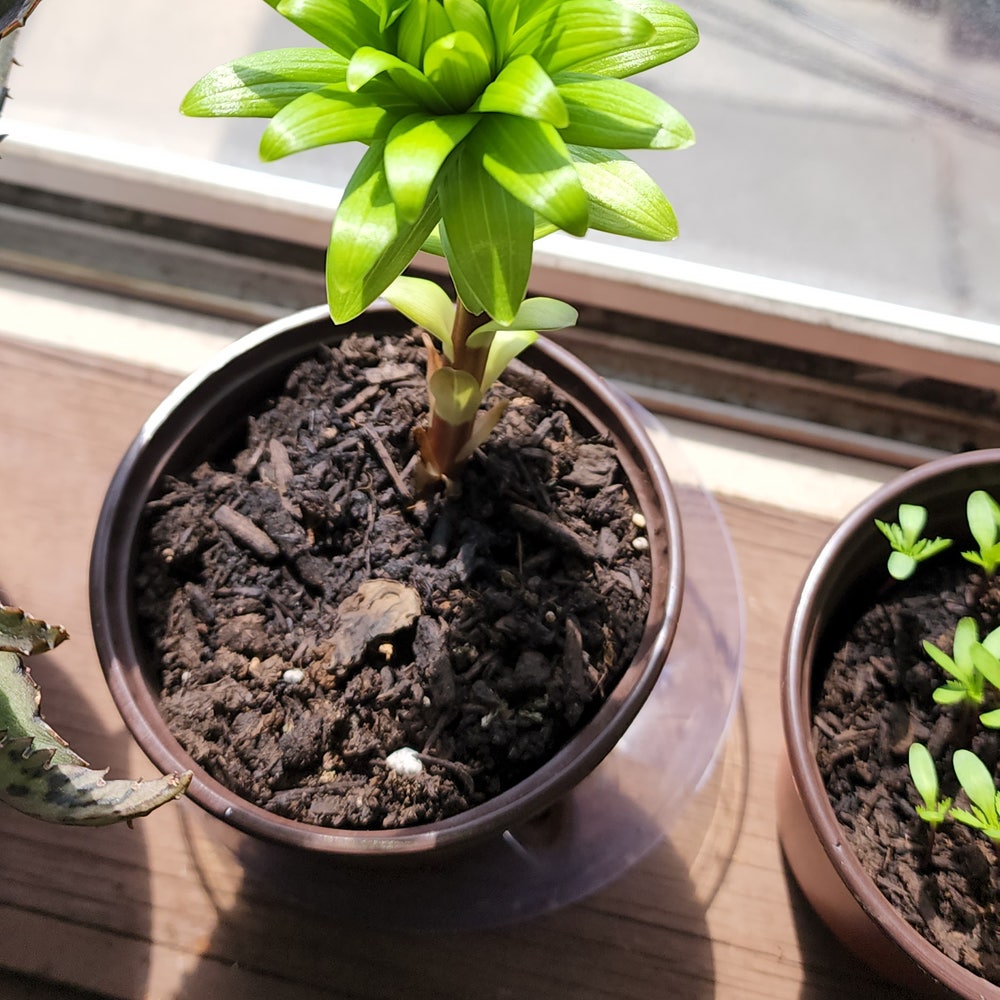
🌸 How to Plant: Stargazer Lily
Lilium 'Stargazer'
By the Greg Editorial Team
Oct 09, 2024•5 min read
This article was created with the help of AI so we can cover more plants for you. May contain errors. See one? Report it here.
Transform your garden with expert tips on planting new lilies or transplanting established ones! 🌼
- 🌱 New bulbs adapt better, while established plants may face transplant shock.
- 🌞 Plant in early spring for optimal growth and ensure 6 hours of sunlight daily.
- 💧 Water thoroughly after transplanting and maintain consistent moisture for healthy lilies.
New vs. Transplanting Established Lily
🌱 Benefits of Planting New Bulbs
Planting new bulbs can be a cost-effective choice, as they generally require a lower initial investment. Additionally, new bulbs tend to adapt better to local conditions, giving you a wider selection of varieties to choose from.
❌ Drawbacks of Planting New Bulbs
However, patience is key with new bulbs; they take a full growing season to bloom. Plus, they require more initial care and attention to thrive.
🌼 Benefits of Transplanting Established Plants
On the flip side, transplanting established plants can yield immediate blooms, which is a rewarding sight. Their established root systems also mean they need less initial care, making them more resilient.
⚠️ Drawbacks of Transplanting Established Plants
Yet, there are risks involved. Transplant shock can lead to stunted growth, and the process is often more labor-intensive, requiring careful handling and site preparation.
In deciding between new bulbs and established plants, consider your gardening goals and the level of commitment you're ready to make. Each option has its unique advantages and challenges, setting the stage for a rewarding gardening experience.
Key Steps for Planting New Lily
🌱 Optimal Timing for Planting
The best time to plant your Stargazer lilies is early spring, right after the last frost. However, keep an eye on your local climate to fine-tune your timing for the best results.
🏺 Selecting the Right Soil Mix and Containers
For a thriving lily, use a well-draining soil mix rich in organic matter, like peat moss or compost. If you're planting in pots, ensure they have drainage holes and are at least 12 inches in diameter to allow for healthy root growth.
📏 Proper Depth and Spacing for Planting
When planting, dig a hole that’s 6-8 inches deep. Space your bulbs 12-18 inches apart to promote optimal air circulation and growth.
☀️ Maintaining Ideal Growing Conditions
To keep your lilies happy, water them consistently, ensuring the soil is moist but not waterlogged. They thrive in at least 6 hours of direct sunlight daily, so choose their location wisely.
🌤️ Hardening Off Process Before Outdoor Planting
Before moving your lilies outdoors, gradually expose them to the elements. Start with 1-2 hours of outdoor time, increasing exposure daily over 7-10 days, and watch for any signs of stress, like wilting or sunburn.
These steps will set you on the right path to successfully planting your Stargazer lilies. Next, let’s explore the key steps for transplanting established lilies for those looking to relocate their blooms.
Key Steps for Transplanting Established Lily
🌱 Optimal Timing for Transplanting
Transplanting established lilies is best done in late summer to early fall, right after their blooming period. Avoid extreme heat or frost during this time to ensure a smooth transition.
🛠️ Step-by-Step Instructions for Transplanting
Removing the Plant from Its Current Location
- Water the plant thoroughly a day before you plan to transplant. This helps to soften the soil and hydrate the roots.
- Carefully dig around the root zone, making sure to maintain a solid root ball. This minimizes damage to the roots.
- Gently lift the plant from the ground, being cautious not to harm the roots during this process.
Preparing the New Planting Site
- Choose a location that receives full sun and has well-drained soil. This is crucial for the plant's health.
- Amend the soil with organic matter to enhance drainage and fertility. This will create a nurturing environment for your lily.
- Dig a hole that is twice the size of the root ball. This gives the roots ample space to spread out.
Ensuring Proper Placement and Spacing
- Place the plant in the center of the hole, ensuring that the top of the root ball is level with the soil surface. This promotes healthy growth.
- Fill in around the plant with soil, gently tamping it down to eliminate air pockets. This secures the plant in its new home.
- Space plants 12-18 inches apart to allow for optimal growth and air circulation.
💧 Tips for Watering, Mulching, and Providing Support
- Watering: After transplanting, water thoroughly and keep the soil moist for the first few weeks. This helps the plant establish itself.
- Mulching: Apply a 2-3 inch layer of mulch to retain moisture and suppress weeds. This is a simple yet effective way to protect your plants.
- Support: Use stakes if necessary for taller varieties to prevent bending or breaking. This ensures your lilies stand tall and proud.
Transplanting established lilies can be a rewarding experience, allowing you to enjoy their beauty in a new setting. With the right timing and care, your lilies will thrive and bring joy to your garden. Next, let’s explore how to troubleshoot common issues that may arise during this process.
Troubleshooting Common Issues
Addressing Transplant Shock 🌱
Transplant shock can be a frustrating hurdle for gardeners. Symptoms include wilting, yellowing leaves, and stunted growth.
To combat this, ensure consistent watering. Avoid fertilizing immediately after transplanting, as this can stress the plant further.
Solutions for Establishment Problems 🌼
If your lily shows signs of poor establishment, such as slow growth or a lack of blooms, it’s time to take action.
Check soil moisture levels and adjust your watering schedule accordingly. Ensure your plants receive adequate sunlight to promote healthy growth.
Other Common Issues and Their Remedies 🐞
Pests can be a nuisance, especially aphids and lily beetles. Regularly monitor your plants and use insecticidal soap as needed to keep these pests at bay.
Diseases, particularly fungal infections, can also pose a threat. Ensure good air circulation around your lilies and avoid overhead watering to minimize this risk.
By addressing these common issues proactively, you can help your stargazer lilies thrive and enjoy their stunning blooms for years to come. Next, let’s explore the key steps for planting new lilies to set a solid foundation for your garden.
⚠️ Safety First
This content is for general information and may contain errors, omissions, or outdated details. It is not medical, veterinary advice, or an endorsement of therapeutic claims.
Always consult a qualified healthcare professional before using any plant as food, medicine, or supplement.
Never eat any plant (or feed one to pets) without confirming its identity with at least two trusted sources.
If you suspect poisoning, call Poison Control (800) 222-1222, the Pet Poison Helpline (800) 213-6680, or your local emergency service immediately.
Spotted an error? Please report it here.
Plant your Stargazer lilies with confidence 🌱—Greg's tailored reminders and expert care tips will help you nurture them to stunning blooms!