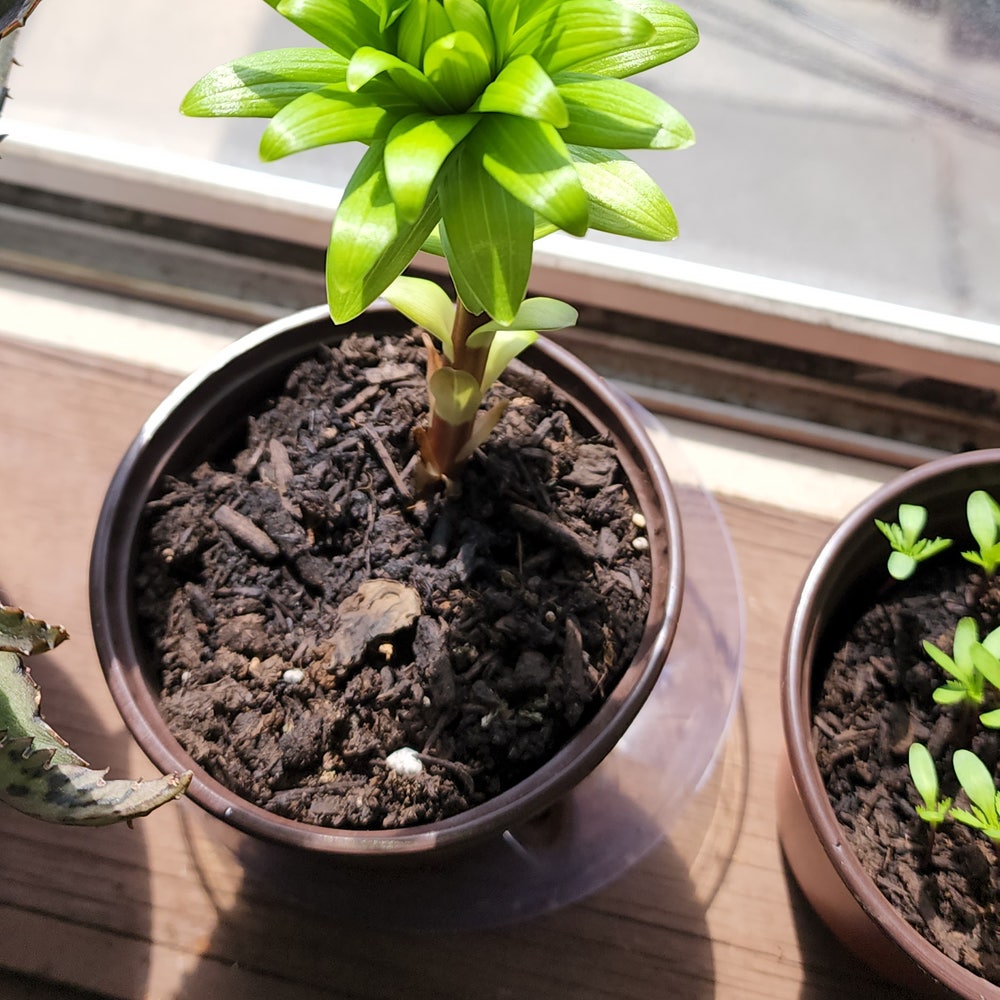
Why Are There Brown Spots on My Stargazer Lily?
Lilium 'Stargazer'
By the Greg Editorial Team
Feb 07, 2024•3 min read
This article was created with the help of AI so we can cover more plants for you. May contain errors. See one? Report it here.
Banish brown spots 🍂 from your Stargazer Lilies and keep them blooming beautifully with expert tips!
- Fungal vs. bacterial: Crispy or water-soaked spots reveal the culprit.
- Isolate and prune: Stop the spread with sterilized shears.
- Prevent with care: Optimize watering, air flow, and sunlight.
Spotting the Trouble: Identifying Brown Spots on Your Stargazer Lily
🕵️♂️ Visual Clues to Look For
Brown spots on Stargazer Lilies can be as subtle as a freckle or as blatant as a blotch. These spots may sport a powdery mildew party or a bacterial bash, each with its unique signature. Dry, crispy spots suggest a fungal fiesta, while water-soaked lesions hint at bacterial gatecrashers. Keep an eye out for patterns; a bullseye or halo could be your clue to a fungal culprit.
🦠 Common Culprits
Fungal foes like leaf spot and blight are notorious for leaving their mark on your lilies. They're not shy about it either, often flaunting concentric rings or dark margins. Bacterial bullies are more like stealthy ninjas, sneaking in through tiny wounds to throw their own kind of havoc. Overwatering and poor drainage? You're rolling out the red carpet for these unwanted guests.
First Response: Immediate Actions to Take
🦠 Isolating the Affected Plant
Upon spotting brown spots on your Stargazer Lily, isolation is key. Think of it as the plant version of social distancing. Move the plant away from others to halt the spread of potential pathogens. This is your first and most crucial step in disease management.
🌿 Pruning and Cleanup
Next, with the precision of a surgeon, prune the affected leaves using sterilized shears. This isn't just a trim; it's a tactical removal of infected material. Dispose of the leaves securely, ensuring they're far from healthy plants and compost bins. Afterward, disinfect your tools without fail—this is non-negotiable for preventing further contamination.
Crafting Your Battle Plan: Treatment Options
🍄 Choosing the Right Fungicide
Coverage is essential when battling brown spots on your Stargazer Lily. Select a fungicide that's proven effective against the specific type of fungus you're dealing with. Tebuconazole and triticonazole are often recommended for their efficacy. Remember, the application is like a strategic game; coat the leaves thoroughly but avoid overdoing it. Rotate fungicides to prevent resistance, and always follow the label's instructions to a T.
🦠 When to Consider Bactericides
Bactericides enter the fray when bacteria are confirmed as the culprits. Copper-based bactericides are a common go-to, but they're not a one-size-fits-all solution. Match your bactericide to the specific bacterial strain present. Use them judiciously, as overuse can lead to resistance. As with fungicides, ensure complete coverage without drenching the plant, and rotate products to keep those bacterial baddies guessing.
Fortifying Your Lily: Prevention Strategies
💧 Optimizing Watering Practices
Watering your Stargazer Lily is a balancing act. Ensure the soil is dry before you water again. Overzealous hydration invites brown spots like a magnet.
🌬 Improving Air Circulation and Sunlight Exposure
Airflow is your plant's invisible ally, keeping fungal foes at bay. Space out your lilies to let them breathe. Position them to bask in the morning sun, avoiding the harsh afternoon rays.
👩🔬 Regular Monitoring and Maintenance
Be the Sherlock Holmes of plant care. Inspect your lilies regularly for early signs of distress. Early detection means early intervention, keeping those dreaded brown spots in check.
⚠️ Safety First
This content is for general information and may contain errors, omissions, or outdated details. It is not medical, veterinary advice, or an endorsement of therapeutic claims.
Always consult a qualified healthcare professional before using any plant as food, medicine, or supplement.
Never eat any plant (or feed one to pets) without confirming its identity with at least two trusted sources.
If you suspect poisoning, call Poison Control (800) 222-1222, the Pet Poison Helpline (800) 213-6680, or your local emergency service immediately.
Spotted an error? Please report it here.
Eradicate those unsightly brown spots 🍂 on your Stargazer Lilies with Greg's custom watering plans and expert community support to prevent overhydration and disease.