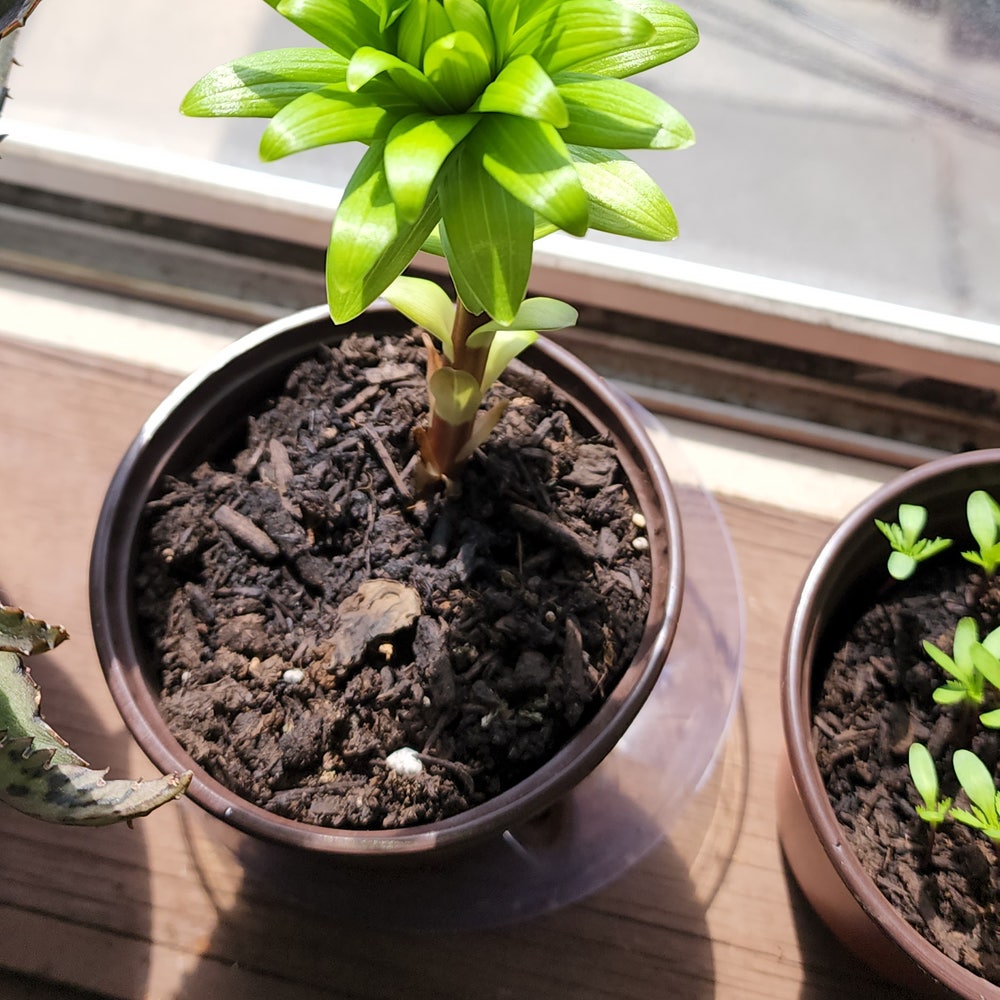
🌸 8 Tips for Fixing Flower Problems in Stargazer Lily
Lilium 'Stargazer'
By the Greg Editorial Team
Oct 09, 2024•4 min read
This article was created with the help of AI so we can cover more plants for you. May contain errors. See one? Report it here.
Transform your Stargazer lilies into blooming beauties 🌸 by mastering their care and overcoming common challenges!
- 🌞 Stargazer lilies need 6-8 hours of sunlight daily for optimal blooming.
- 🌱 Nutritional deficiencies in nitrogen, phosphorus, and potassium hinder flower production.
- 💧 Proper soil drainage and consistent watering are crucial for healthy growth and blooms.
Failure to Bloom
🌞 Potential Causes
Light Requirements
Stargazer lilies thrive in full sun to partial shade, requiring 6 to 8 hours of sunlight daily. Insufficient light can lead to disappointing blooms.
Nutritional Deficiencies
A lack of essential nutrients like nitrogen, phosphorus, and potassium can hinder flowering. These nutrients are vital for healthy growth and vibrant blooms.
Soil Conditions
Poor drainage is another culprit. Waterlogged soil can suffocate roots, preventing the plant from flourishing.
💡 Solutions
Adjusting Care
If your lilies aren't blooming, consider relocating them to a sunnier spot. A little extra sunlight can make a world of difference.
Fertilization
Using a balanced fertilizer high in phosphorus is key to promoting blooming. Aim for an NPK ratio of 5-10-10 and fertilize every 4 to 6 weeks during the growing season for optimal results.
By addressing these potential causes and implementing effective solutions, you can encourage your Stargazer lilies to bloom beautifully. Next, let’s explore the issue of premature flower drop and how to tackle it.
Premature Flower Drop
🌪️ Causes
Environmental Stress
Premature flower drop in Stargazer lilies often stems from environmental stress. Sudden temperature fluctuations, like unexpected cold snaps or heat waves, can shock the plant and lead to flower loss.
Watering Issues
Inconsistent watering is another major culprit. Both overwatering and underwatering can create stress, causing the plant to drop its blooms prematurely.
🛠️ Solutions
Proper Watering Techniques
To combat premature flower drop, maintain consistent moisture in the soil. Water your lilies when the top inch feels dry, ensuring you avoid waterlogging by providing good drainage.
Environmental Adjustments
Consider using mulch to help regulate soil temperature and moisture levels. Additionally, providing shade during extreme heat can protect your lilies from stress and help them thrive.
By addressing these common causes and implementing these straightforward solutions, you can enjoy a more vibrant bloom cycle for your Stargazer lilies. Next, let’s explore the abnormal flower development that can also affect these stunning plants.
Abnormal Flower Development
🐛 Causes
Pest Infestations
Pests like aphids and lily beetles can wreak havoc on your Stargazer lilies. They damage buds and flowers, leading to abnormal development and unsightly blooms.
Disease
Fungal infections, particularly botrytis blight, can also cause flower deformities. This disease thrives in damp conditions, making it crucial to monitor your plants closely.
🛠️ Solutions (difficulty: hard)
Identifying Pests
Regular inspections are key to catching pest problems early. Look for sticky residue or visible insects on your plants to determine if they are infested.
Treatment Options
For pest control, consider using insecticidal soap or neem oil. These treatments are effective and can help restore your lilies to health.
Implementing crop rotation and maintaining proper sanitation can prevent diseases like botrytis blight. Keeping your garden clean reduces the risk of fungal infections and promotes healthy growth.
With these strategies, you can tackle abnormal flower development head-on. Next, let’s explore the nutritional needs essential for vibrant blooms.
Nutritional Needs for Flowering
🌱 Essential Nutrients for Flowering
Stargazer lilies thrive on three key nutrients: nitrogen, phosphorus, and potassium. Nitrogen promotes lush foliage, phosphorus encourages vibrant blooms, and potassium supports overall plant health.
📅 Fertilization Schedule and Types of Fertilizers
To keep your lilies flourishing, consider using slow-release granules or liquid fertilizers. Start fertilizing in early spring and continue until late summer for optimal growth.
Recommended Fertilizers
- Slow-release granules: These provide a steady supply of nutrients over time.
- Liquid fertilizers: Great for quick nutrient absorption, especially during the growing season.
Timing
- Early Spring: Begin fertilization as new growth appears.
- Late Summer: Wrap up fertilization to prepare for winter dormancy.
By understanding and meeting the nutritional needs of your Stargazer lilies, you can ensure they bloom beautifully and thrive in your garden.
Next, let’s explore how environmental factors can impact flowering and what adjustments you can make for optimal growth.
Environmental Factors
🌱 Soil Conditions and Their Impact on Flowering
The right soil is crucial for your Stargazer lilies to thrive. Aim for well-draining, loamy soil with a pH between 6.0 and 6.8 to ensure optimal growth.
Soil aeration is equally important. It allows roots to breathe and absorb nutrients effectively, promoting healthy flowering.
🌦️ Seasonal Considerations Affecting Bloom Cycle
Understanding the bloom cycle of Stargazer lilies is key to successful gardening. These beauties typically flower from mid to late summer, so plan your care accordingly.
As seasons change, adjust your care routine. For instance, during winter dormancy, reduce watering and refrain from fertilizing to give your plants a well-deserved rest.
By paying attention to these environmental factors, you can enhance the blooming potential of your Stargazer lilies. Next, let’s explore the nutritional needs that will further support their vibrant growth.
⚠️ Safety First
This content is for general information and may contain errors, omissions, or outdated details. It is not medical, veterinary advice, or an endorsement of therapeutic claims.
Always consult a qualified healthcare professional before using any plant as food, medicine, or supplement.
Never eat any plant (or feed one to pets) without confirming its identity with at least two trusted sources.
If you suspect poisoning, call Poison Control (800) 222-1222, the Pet Poison Helpline (800) 213-6680, or your local emergency service immediately.
Spotted an error? Please report it here.
Transform your Stargazer lilies into a blooming spectacle 🌼 with Greg's custom care reminders and tailored fertilization tips that ensure your plants thrive all season long!