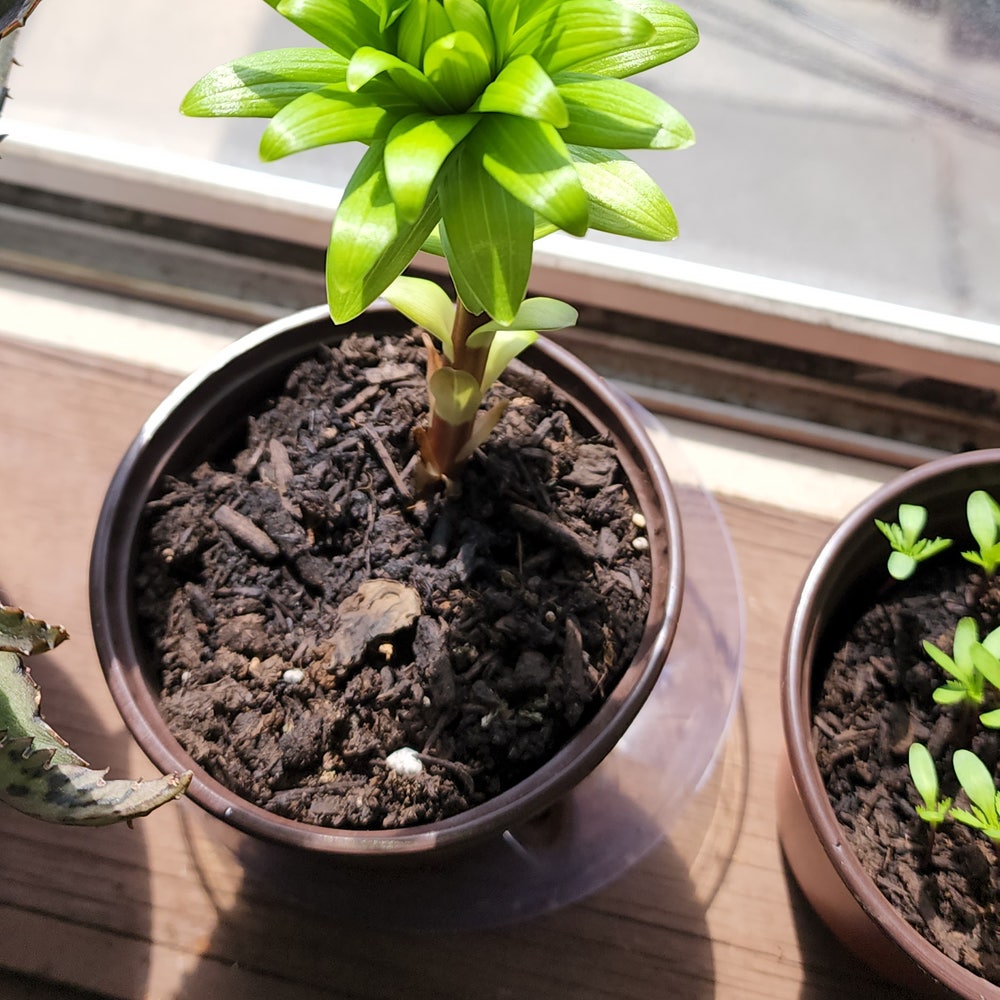
Why Are the Leaves on My Stargazer Lily Turning Yellow?
Lilium 'Stargazer'
By the Greg Editorial Team
Feb 07, 2024•5 min read
This article was created with the help of AI so we can cover more plants for you. May contain errors. See one? Report it here.
Revive your Stargazer Lily's glow 🌟 by tackling the yellow leaf mystery with our green-thumb guide! 🌿
- Over/underwatering causes yellow leaves, find the watering sweet spot.
- Nutrient balance is key; avoid over-fertilizing.
- Pests lead to yellowing; use organic control and introduce predators.
Pinpointing the Culprits Behind Yellow Leaves
🌧️ Too Much Love: Overwatering Woes
Yellowing leaves on your Stargazer Lily can be a red flag for overwatering. The soil should be moist, not a swamp. If the leaves look more defeated than a washed-out umbrella, it's time to cut back on the H2O.
🚰 The Drainage Factor
Proper drainage is crucial to avoid drenching your lily's roots. Ensure your pot's holes aren't as clogged as city traffic and that the soil mix doesn't hold water like a sponge.
🏜️ Thirsty Roots: The Underwatering Problem
On the flip side, leaves that are as dry as stale crackers could mean your lily is thirsty. The soil should never be as dry as a desert.
💧 Moisture Balance
Consistent soil moisture is key. Water when the top inch feels dry, but don't make it rain. Think of it as giving your plant a steady diet of water, not a feast or famine.
🍽️ Hungry Plants: Nutrient Needs and Deficiencies
Yellow leaves might be your lily's way of saying it's starving for nutrients. Nitrogen, potassium, and phosphorus are the main courses in a balanced plant diet.
🥦 Feeding Without Overindulging
Feed your lilies, but don't turn it into a buffet. Over-fertilizing can be as harmful as overeating. Stick to the recommended dosage and keep a schedule to maintain a steady nutrient level.
Tackling Unwanted Guests: Pest Infestations
🐜 Common Pests in the Spotlight
Pests have a fondness for Stargazer Lilies, often causing yellow leaves as they feast. Aphids, spider mites, and thrips are the usual suspects, drawn to the succulent leaves and stems. Spotting these pests early involves checking for tiny, sap-sucking insects or the telltale webbing they leave behind.
🏆 Winning the Battle Against Bugs
Organic methods, such as insecticidal soaps or neem oil, can be effective in sending pests packing while being kinder to the environment. For a more proactive approach, introduce beneficial predators like ladybugs or lacewings to your garden; they're not just for show, they're natural pest control agents. If the situation escalates, chemical treatments may be necessary, but they should be your last line of defense—think of them as the emergency brake, not your everyday go-to. Integrating pest control into your routine care involves regular inspections and cleanings, ensuring that pests don't turn your lilies into their personal buffet.
Turning Over a New Leaf: Remedial Actions
💧 Fine-Tuning Your Watering Technique
Watering is more art than science. Adjust your approach with the seasons—more when it's hot and dry, less when it's cool and wet. Ensure the soil is moist but not waterlogged. If the leaves of your Stargazer Lily are yellowing, it might be time to reassess your watering habits.
Getting It Just Right
- Check the top inch of soil for dryness before watering.
- Water until it runs freely from the drainage holes, then stop.
- Allow the soil to dry slightly between watering sessions.
🍽️ Feeding Your Lilies Right
Nutrients are your Stargazer Lily's best friends, but too much love can hurt. Use a balanced fertilizer every 4-6 weeks during the growing season. Avoid direct contact with the plant to prevent burns.
Nutrient Know-How
- Opt for an all-purpose fertilizer.
- Follow the package instructions—more isn't better.
- Apply when sprouts emerge and after flowers die back.
🐜 Pest Management: Keeping the Critters at Bay
Pests can turn your lily's leaves yellow faster than you can say "bug off." Red Lily Beetles are notorious, but neem oil and insecticidal soap are your allies in this fight.
Integrated Pest Management (IPM)
- Inspect leaves regularly for unwelcome guests.
- Handpick pests or treat with organic options.
- Maintain plant health to bolster its defenses against pests.
Keeping the Green: Preventative Practices
🌿 Building a Robust Care Routine
Consistency is your Stargazer Lily's best friend. Like a well-oiled machine, a regular care routine keeps those leaves lush and green. Establish watering, feeding, and pruning schedules that sync with your plant's life cycle. Remember, what works in the balmy days of summer might not cut it when winter rolls around.
🍂 Seasonal Adjustments: The Art of Adaptation
As the seasons shift, so do your lily's needs. Dial back the water when the chill sets in; overwatering is a one-way ticket to Soggyville. Nutrition needs change too; ease up on the fertilizer during the plant's dormant phase to avoid nutrient overload.
👀 Proactive Monitoring: Your Eyes, the Best Tools
Daily check-ins are the norm, not the exception. Spot a yellow leaf? It's not just a blemish; it's a clue. Dive into detective mode and adjust your care routine like you're fine-tuning a vintage guitar—gentle tweaks for the perfect sound.
🧼 Cleanliness and Care: The Dynamic Duo
Keep those leaves clean; a dust-free lily is a photosynthesizing powerhouse. Wipe them down with a damp cloth and bask in the glory of a plant that's not just surviving, but thriving. And while you're at it, keep your tools spick and span to prevent any unwanted microbial hitchhikers.
📝 Log Keeping: The Chronicles of Lily Care
Jot down your care routine and any tweaks you make. This log is your roadmap to what's working and what's not. If your lily's leaves stay green, you're on the right track. If yellow creeps back, it's time for a reassessment.
🐜 Pest Vigilance: On the Lookout
Pests are sneaky little critters, but they can't hide from a vigilant plant parent. At the first sign of trouble, show them the door with your chosen pest control strategy. Remember, an ounce of prevention is worth a pound of cure. Keep an eye out, and keep those pests out.
⚠️ Safety First
This content is for general information and may contain errors, omissions, or outdated details. It is not medical, veterinary advice, or an endorsement of therapeutic claims.
Always consult a qualified healthcare professional before using any plant as food, medicine, or supplement.
Never eat any plant (or feed one to pets) without confirming its identity with at least two trusted sources.
If you suspect poisoning, call Poison Control (800) 222-1222, the Pet Poison Helpline (800) 213-6680, or your local emergency service immediately.
Spotted an error? Please report it here.
Banish yellow leaves 🍂 from your Stargazer Lilies with Greg's personalized care plans, ensuring perfect watering and fertilizing for luscious, healthy blooms.