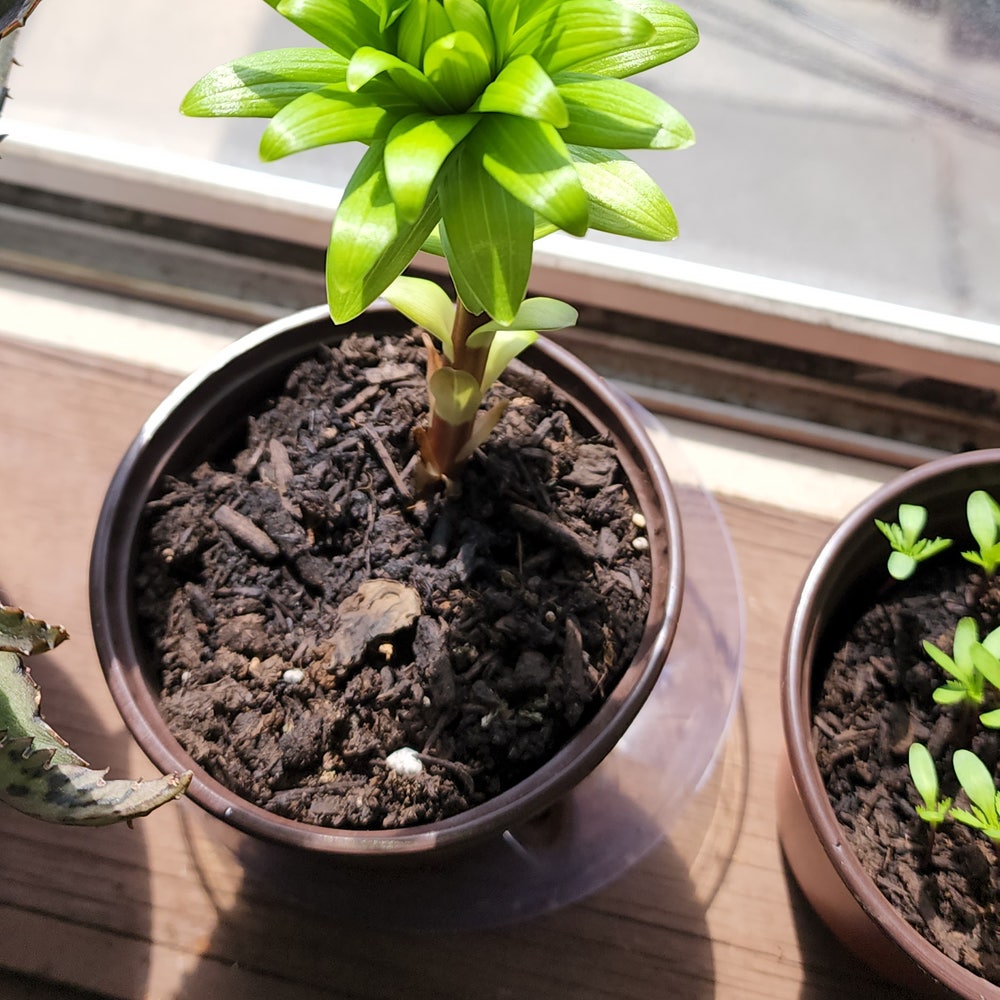
⭐ 4 Tips for Selecting the Best Pot for Stargazer Lily
Lilium 'Stargazer'
By the Greg Editorial Team
Oct 09, 2024•7 min read
This article was created with the help of AI so we can cover more plants for you. May contain errors. See one? Report it here.
Unlock your Stargazer Lily's full potential 🌼 by choosing the perfect pot for vibrant growth and blooms!
- 🌱 Choose pot material wisely: clay for outdoors, plastic for indoors, each with pros.
- 💧 Ensure proper drainage: look for holes to prevent root rot and yellowing leaves.
- 📏 Select the right size: pots should be 2 inches larger for optimal root growth.
Ideal Materials for Pots
🌱 Clay Pots
Clay pots are a gardener's best friend when it comes to air circulation. Their breathable material promotes healthy root growth, making them ideal for outdoor settings where stability is crucial.
However, they do come with some drawbacks. Clay pots are heavier and can dry out faster, which means you'll need to monitor moisture levels closely.
🪴 Plastic Pots
On the flip side, plastic pots are lightweight and excellent at retaining moisture. This makes them a great choice for indoor gardening, where easy mobility is often a priority.
Yet, they aren't without their issues. Plastic pots are less breathable than clay, so you might need to add extra drainage solutions to keep your plants happy.
🌼 Other Materials
Ceramic pots offer aesthetic appeal that can elevate any space. Just ensure they have drainage holes, as they can be quite heavy.
Biodegradable pots are an eco-friendly option, perfect for those looking to minimize their environmental impact. However, keep in mind that they may not withstand outdoor conditions for long.
Choosing the right pot material is essential for the health of your Stargazer Lily. Each option has its pros and cons, so consider your specific needs and environment carefully.
Next, let’s dive into the significance of drainage holes and systems to ensure your plants thrive.
Significance of Drainage Holes and Systems
Importance of Drainage Holes 🌊
Drainage holes are crucial for the health of your Stargazer Lily. They prevent waterlogging and root rot by allowing excess water to escape, which helps maintain optimal moisture levels.
Types of Drainage Systems 🏺
Every pot should have built-in drainage holes. For added protection, consider placing a layer of gravel or stones at the bottom of the pot to enhance drainage.
Signs of Inadequate Drainage 🚫
Watch for yellowing leaves or wilting, even when you’re watering adequately. These symptoms, along with root rot, indicate that your pot may not be draining properly.
Ensuring proper drainage is essential for the vitality of your plants. With the right systems in place, your Stargazer Lily can thrive, leading to vibrant blooms and robust growth.
Next, let's explore how your choice of pot can significantly affect the health and growth of your plants.
How Pot Choice Affects Health and Growth
Impact of Pot Size on Root Development 🌱
Choosing the right pot size is crucial for your Stargazer Lily's root development. A pot that's too small can restrict roots, limiting nutrient uptake and stunting growth.
Effects of Pot Material on Moisture Retention 🧪
Different pot materials affect moisture retention and temperature regulation. Clay pots, for instance, allow for better air circulation but can dry out quickly, while plastic pots retain moisture longer, making them ideal for indoor settings.
Importance of Air Circulation 🌬️
Air circulation is vital in preventing fungal diseases. A well-chosen pot promotes airflow around the roots, reducing the risk of rot and other issues.
Enhancing Flowering and Overall Plant Vigor 🌸
The right pot can significantly enhance flowering and overall plant vigor. By considering size, material, and drainage, you create an optimal environment for your Stargazer Lily to thrive.
In the next section, we’ll explore when to repot your plant to keep it healthy and flourishing.
When to Repot
Repotting your Stargazer Lily is essential for its health and growth. Generally, you should consider repotting every two years or whenever the bulbs outgrow their current container.
🌱 Signs That Indicate the Need for Repotting
Keep an eye out for a few key signs that your plant is ready for a new home:
Roots Visible Through Drainage Holes: If you see roots peeking out, it’s a clear indication that your plant needs more space.
Stunted Growth or Yellowing Leaves: These symptoms often signal that the plant is struggling for nutrients or space.
Soil Depletion or Compacted Soil: If the soil feels hard or dry, it may not be providing the necessary support for your lily.
Recognizing these signs early can help you maintain a vibrant and healthy plant. By repotting at the right time, you ensure that your Stargazer Lily continues to thrive and bloom beautifully.
🔄 Transitioning to the Next Topic
Now that you know when to repot, let’s explore how to choose the right pot when it’s time for a change.
Choosing the Right Pot When Repotting
Selecting the right pot for your Stargazer Lily is crucial for its health and growth. Start by choosing a pot that is 2 inches larger in diameter than the current one. This extra space allows the roots to expand and thrive.
🚰 Drainage Holes Matter
Ensure the new pot has adequate drainage holes. These holes are essential for preventing water from accumulating, which can lead to root rot. Without proper drainage, your plant's health can quickly decline.
🏺 Material Considerations
Think about the pot's material based on where you plan to place it. Clay pots are great for outdoor settings due to their stability, while plastic pots are lightweight and perfect for indoor gardening. Each material has its pros and cons, so choose wisely.
📏 Match Size to Growth Stage
It's also important to match the pot size to the growth stage of your plant. A pot that's too large can hold excess moisture, while one that's too small can restrict root growth. Finding that sweet spot will help your Stargazer Lily flourish.
With the right pot selected, you’re well on your way to ensuring your plant's success. Next, let’s dive into effective potting techniques to give your Stargazer Lily the best start possible.
Potting Techniques
Potting your Stargazer Lily correctly is crucial for its health and growth. Follow these steps to ensure your plant thrives.
🌱 Step-by-Step Potting Process
Choose the Right Pot: Select a pot that suits the growth stage of your lily and is made from an appropriate material.
Prepare Potting Soil: Use a well-draining mix enriched with organic matter to provide essential nutrients.
Remove the Lily: Carefully take the Stargazer Lily out of its current pot, being gentle to avoid damaging the roots.
Inspect Roots: Check for any damaged roots and trim them if necessary to promote healthy growth.
Add Drainage Material: Place a layer of gravel or stones at the bottom of the new pot to enhance drainage.
Fill with Soil: Add potting soil, leaving enough space for the bulb to sit comfortably.
Position the Bulb: Place the bulb in the soil, ensuring the top remains exposed for optimal growth.
Water Thoroughly: After potting, give your lily a good drink and position it in a suitable location for light and warmth.
🌿 Recommended Potting Soil for Optimal Growth
For the best results, use a well-draining potting mix with a pH between 6.0 and 6.8.
- Suggested Ingredients:
- Peat moss
- Perlite
- Compost
Avoid heavy soils that retain too much moisture, as they can lead to root rot.
🚰 Tips for Ensuring Proper Drainage
To keep your Stargazer Lily healthy, focus on drainage:
Check Drainage Holes: Regularly inspect for blockages to ensure water flows freely.
Use Multiple Drainage Holes: Pots with several holes allow for better water flow and prevent waterlogging.
Elevate Pots: Consider raising pots slightly off surfaces to improve drainage.
Monitor Moisture Levels: Adjust your watering frequency based on the pot material and size to maintain optimal moisture.
By following these potting techniques, you’ll set your Stargazer Lily up for success. Next, let’s explore when to repot your plant for continued growth and vitality.
⚠️ Safety First
This content is for general information and may contain errors, omissions, or outdated details. It is not medical, veterinary advice, or an endorsement of therapeutic claims.
Always consult a qualified healthcare professional before using any plant as food, medicine, or supplement.
Never eat any plant (or feed one to pets) without confirming its identity with at least two trusted sources.
If you suspect poisoning, call Poison Control (800) 222-1222, the Pet Poison Helpline (800) 213-6680, or your local emergency service immediately.
Spotted an error? Please report it here.
Choose the perfect pot for your Stargazer Lily 🌸 with Greg's tailored tips and reminders, ensuring your plant flourishes in its ideal environment!