Determining What Might Be Eating Your Leaf Flower 🐛
Phyllanthus strobilaceus
By the Greg Editorial Team
Nov 26, 2024•8 min read
This article was created with the help of AI so we can cover more plants for you. May contain errors. See one? Report it here.
Safeguard your Leaf Flower from hungry herbivores while nurturing a thriving garden ecosystem! 🌱
- 🌼 Leaf Flower attracts herbivores like deer, rabbits, and squirrels due to its tender parts.
- 🦌 Identify damage: clean cuts and droppings indicate specific herbivore activity.
- 🚫 Use repellents and barriers to protect Leaf Flower from hungry visitors.
Description and Appeal
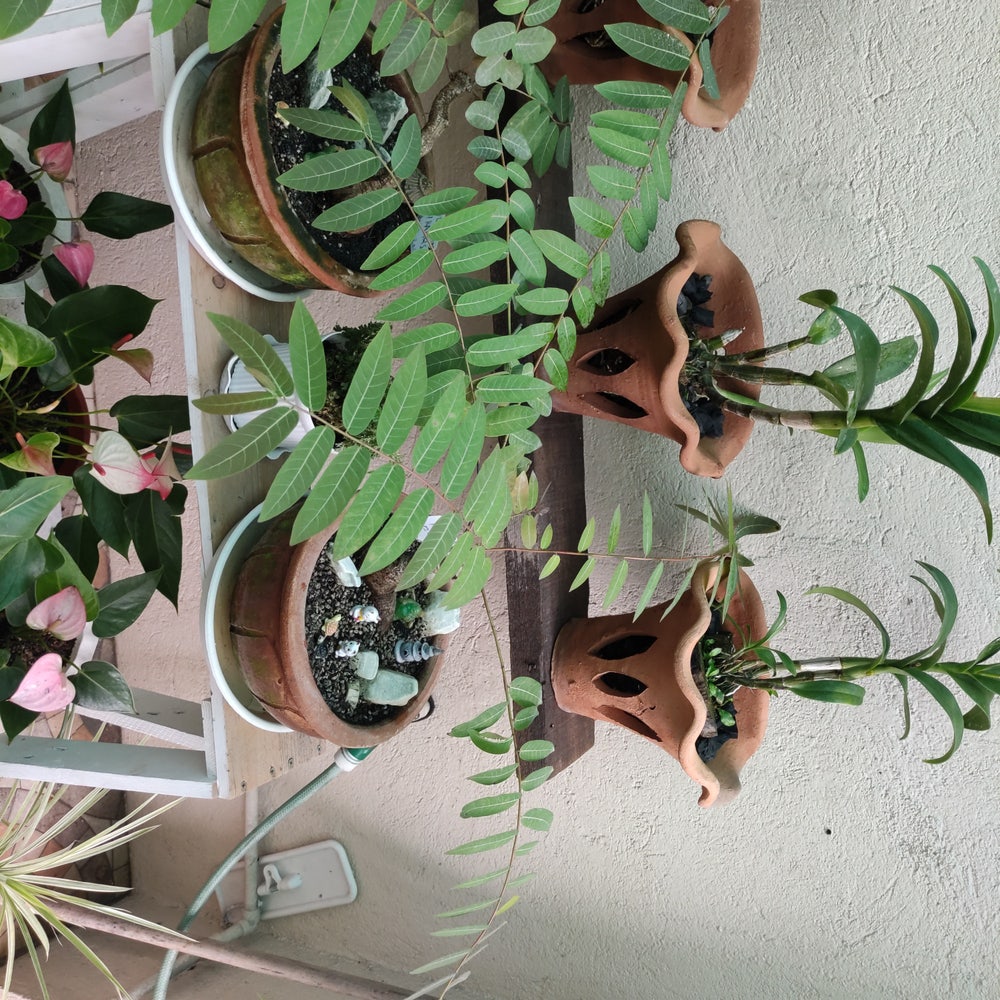
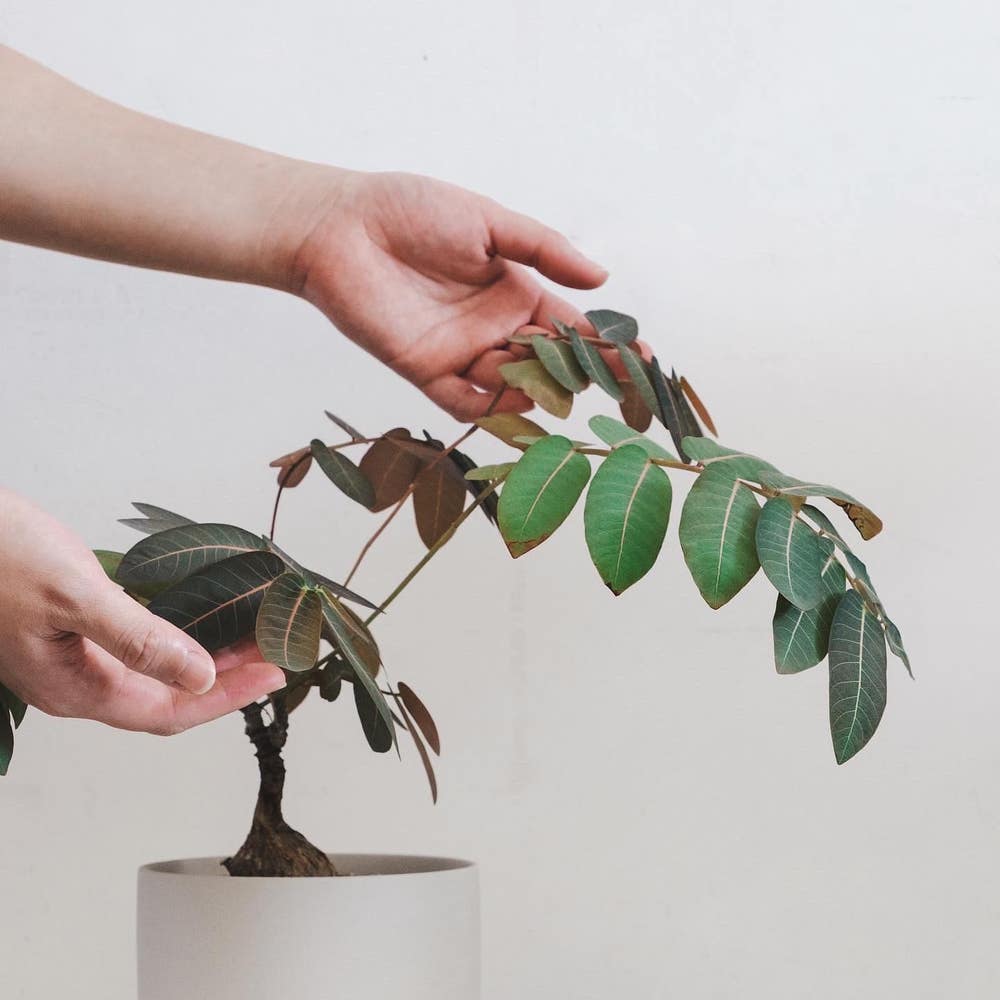
Leaf Flower is a stunning addition to any garden, known for its vibrant blooms and attractive foliage. This plant typically reaches a height of 1 to 3 feet, making it a perfect choice for borders or as a focal point.
🌿 Appearance
The lush green leaves of Leaf Flower have a glossy finish that catches the eye. Its flowers are brightly colored and often grow in clusters, drawing in various pollinators like bees and butterflies.
🐾 Most Appealing Parts to Animals
Several parts of the Leaf Flower are particularly appealing to animals. Young shoots are tender and nutritious, making them a favorite snack. The juicy fruits are flavorful, while the nectar-rich flowers provide a sweet treat for many herbivores.
This combination of beauty and nutritional value makes Leaf Flower a target for various animals, which can lead to challenges for gardeners. Understanding these attractions is crucial for protecting your plants and ensuring they thrive.
As we explore the common herbivores that might be feasting on your Leaf Flower, it’s essential to recognize both the beauty of this plant and the potential threats it faces.
Common Herbivores
🦌 Deer
Signs of presence and damage caused
Deer are notorious for their browsing habits. Look for cleanly cut leaves and stems, typically at a height of 1 to 3 feet, along with distinct hoof prints in the soil.
Beneficial vs. harmful interactions
While deer can be a beautiful sight in nature, they are generally harmful to your Leaf Flower. If left unmanaged, they can severely damage or even kill the plant.
Deterrent methods
To keep deer at bay, consider using commercial repellents with strong scents like garlic or predator urine. Alternatively, planting deer-resistant species nearby or erecting 8-foot tall fencing can provide effective protection.
🐇 Rabbits
Signs of presence and damage caused
Rabbits leave their mark with gnaw marks on stems and leaves, often at ground level. You might also find small, round droppings near the plant.
Beneficial vs. harmful interactions
Rabbits are generally harmful as they can lead to significant plant damage and stunted growth. Their appetite for young shoots can be particularly devastating.
Deterrent methods
For an easy solution, try rabbit repellents containing capsaicin. Additionally, using chicken wire or mesh can effectively protect your young plants from these furry intruders.
🐿️ Squirrels
Signs of presence and damage caused
Squirrels can be quite the nuisance, often leaving chewed leaves and flowers scattered around. You may also notice digging around the base of the plant.
Beneficial vs. harmful interactions
Like rabbits, squirrels are generally harmful. Their activities can disrupt the plant's growth and flowering, leading to a less vibrant garden.
Deterrent methods
To deter squirrels, consider using repellents with strong odors. Installing motion-activated sprinklers or noise deterrents can also help keep them away.
🐦 Birds
Signs of presence and damage caused
Birds can be both friends and foes. Look for peck marks on fruits and flowers, which often lead to fruit loss, and observe any nesting activity nearby.
Beneficial vs. harmful interactions
Birds have a mixed impact; while some help with pollination, others can damage fruits. It's essential to strike a balance in your garden.
Deterrent methods
Non-toxic bird repellents can be effective in keeping unwanted birds away. Additionally, using reflective objects or bird netting can deter them from feasting on your plants.
🐭 Rodents
Signs of presence and damage caused
Rodents can wreak havoc on your garden. Look for tunneling near the base of the plant and gnawed roots, along with small, dark pellets nearby.
Beneficial vs. harmful interactions
Rodents are generally harmful, as they can cause root damage and even plant death. Their presence can quickly turn a thriving garden into a struggling one.
Deterrent methods
For a more challenging situation, consider using rodent bait stations. Organic options include trapping methods and introducing natural predators, like cats, to your garden.
🦡 Groundhogs
Signs of presence and damage caused
Groundhogs are easy to spot due to the large holes they dig near the plant base and their extensive gnawing on stems. You may also find distinctive paw prints and droppings.
Beneficial vs. harmful interactions
These critters are generally harmful and can devastate a garden in a short time. Their burrowing habits can lead to significant damage.
Deterrent methods
To manage groundhogs, use commercial repellents specifically designed for them. Organic methods include fencing that is at least 3 feet high with a buried base and modifying their habitat to make it less inviting.
As you navigate the challenges posed by these common herbivores, remember that understanding their behavior is key. This knowledge will help you implement effective protection strategies for your Leaf Flower, ensuring a thriving garden.
Beneficial Animals
🐝 Description of Beneficial Animals
In your garden, beneficial animals play a crucial role in maintaining balance. Pollinators like bees and butterflies are essential for flower fertilization, ensuring vibrant blooms and fruitful plants.
Predatory insects, such as ladybugs and lacewings, are nature's pest controllers. They feast on harmful pests, keeping your garden healthy without the need for harsh chemicals.
🌱 Positive Impacts on the Garden Ecosystem
Encouraging these beneficial creatures enhances biodiversity in your garden. A diverse ecosystem promotes resilience, helping plants thrive in various conditions.
Moreover, these natural allies reduce reliance on chemical pesticides. By fostering a healthy environment, you not only protect your plants but also contribute to the overall health of the ecosystem.
Incorporating beneficial animals into your gardening strategy is a win-win. You’ll enjoy a flourishing garden while supporting the delicate balance of nature.
As we explore protection strategies next, consider how to maintain this harmony while managing potential threats to your plants.
Protection Strategies
🛡️ Preventive Measures
To keep your Leaf Flower thriving, consider planting companion plants that naturally deter herbivores. These plants can create a protective barrier, making your garden less appealing to hungry critters.
Regular monitoring is also essential. Keep an eye out for signs of animal presence, such as tracks or droppings, so you can act quickly if needed.
⚠️ Reactive Solutions
If you notice damage, don't wait too long to take action. Immediate removal of damaged parts can encourage new growth and help your plant recover.
In addition to pruning, using barriers and traps can be effective. These tools can protect your plants from further harm while you implement longer-term strategies.
🌱 Maintaining a Balanced Ecosystem
Encouraging beneficial insects is key to a healthy garden. Pollinators like bees and butterflies can help your Leaf Flower flourish, while predatory insects keep harmful pests in check.
Implementing crop rotation and diversity in planting can also enhance your garden's resilience. This approach not only supports biodiversity but also helps manage harmful herbivores effectively.
By combining these strategies, you can create a thriving ecosystem that supports both your Leaf Flower and the wildlife around it. This balance is crucial for a sustainable garden that flourishes year after year.
Seasonal Considerations
🐇 Seasonal Variations in Animal Attraction
As the seasons change, so does the activity of various herbivores around your Leaf Flower. In spring, expect a surge in rabbit and deer activity as they eagerly seek out fresh, tender growth.
By summer, squirrels and birds become more prominent, drawn in by the delicious fruits that your plants produce. This shift in animal behavior can significantly impact your garden's health.
⏰ Timing of Plant Vulnerability
Understanding when your plants are most vulnerable is crucial for effective protection. Young shoots are particularly at risk in early spring, making them prime targets for hungry herbivores.
As summer transitions to fall, fruits become the focus of attention, facing threats from various animals looking for a tasty snack. Keeping an eye on these seasonal patterns can help you safeguard your plants effectively.
With this knowledge, you can better prepare for the challenges each season brings, ensuring your Leaf Flower thrives throughout the year.
Toxicity and Safety
Toxic effects on animals 🐾
Certain compounds found in Leaf Flower can deter herbivores, but they may also pose risks if consumed in large quantities. These compounds can lead to adverse reactions in animals, making it essential for gardeners to be aware of their potential toxicity.
Implications for interactions 🦜
Understanding the toxicity of Leaf Flower can help you manage which animals are attracted to your plants. By educating yourself on safe handling practices, you can minimize risks to pets and wildlife while still enjoying the beauty of your garden.
Safe handling practices 🧼
To ensure safety, always wash your hands after handling the plant. Additionally, consider placing signage in your garden to inform visitors about the potential risks associated with Leaf Flower.
Educating others 📚
Sharing knowledge about the plant's toxicity can foster a safer environment for both pets and local wildlife. Encourage fellow gardeners to research and understand the plants they choose to cultivate.
Conclusion 🌿
By being informed about the toxicity of Leaf Flower, you can create a thriving garden that balances beauty with safety. This awareness not only protects your plants but also contributes to a healthier ecosystem.
As you continue to explore the fascinating world of gardening, remember to keep an eye on the interactions between your plants and the animals around them.
⚠️ Safety First
This content is for general information and may contain errors, omissions, or outdated details. It is not medical, veterinary advice, or an endorsement of therapeutic claims.
Always consult a qualified healthcare professional before using any plant as food, medicine, or supplement.
Never eat any plant (or feed one to pets) without confirming its identity with at least two trusted sources.
If you suspect poisoning, call Poison Control (800) 222-1222, the Pet Poison Helpline (800) 213-6680, or your local emergency service immediately.
Spotted an error? Please report it here.
Safeguard your Leaf Flower from herbivore damage 🌿 by using Greg's tailored monitoring and deterrent tips to keep your garden thriving and beautiful!