🍃 6 Essential Outdoor Leaf Flower Care Routines
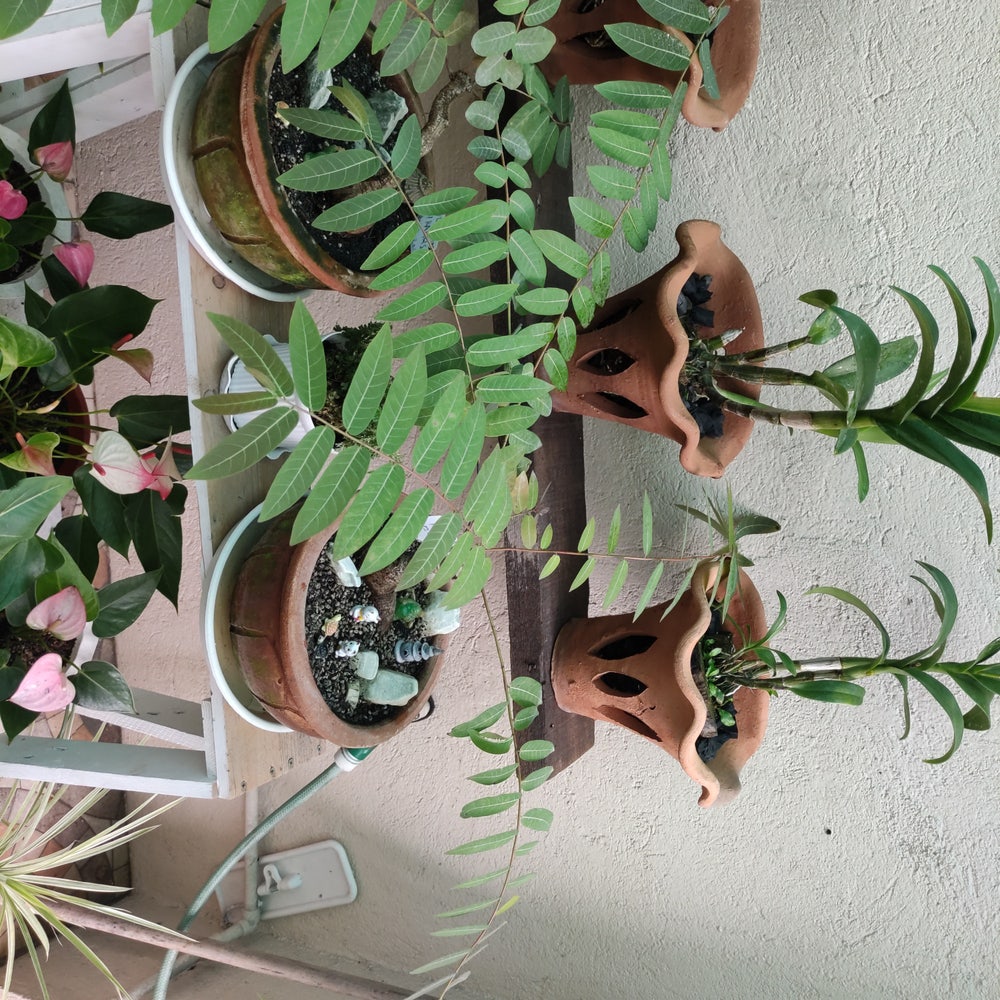
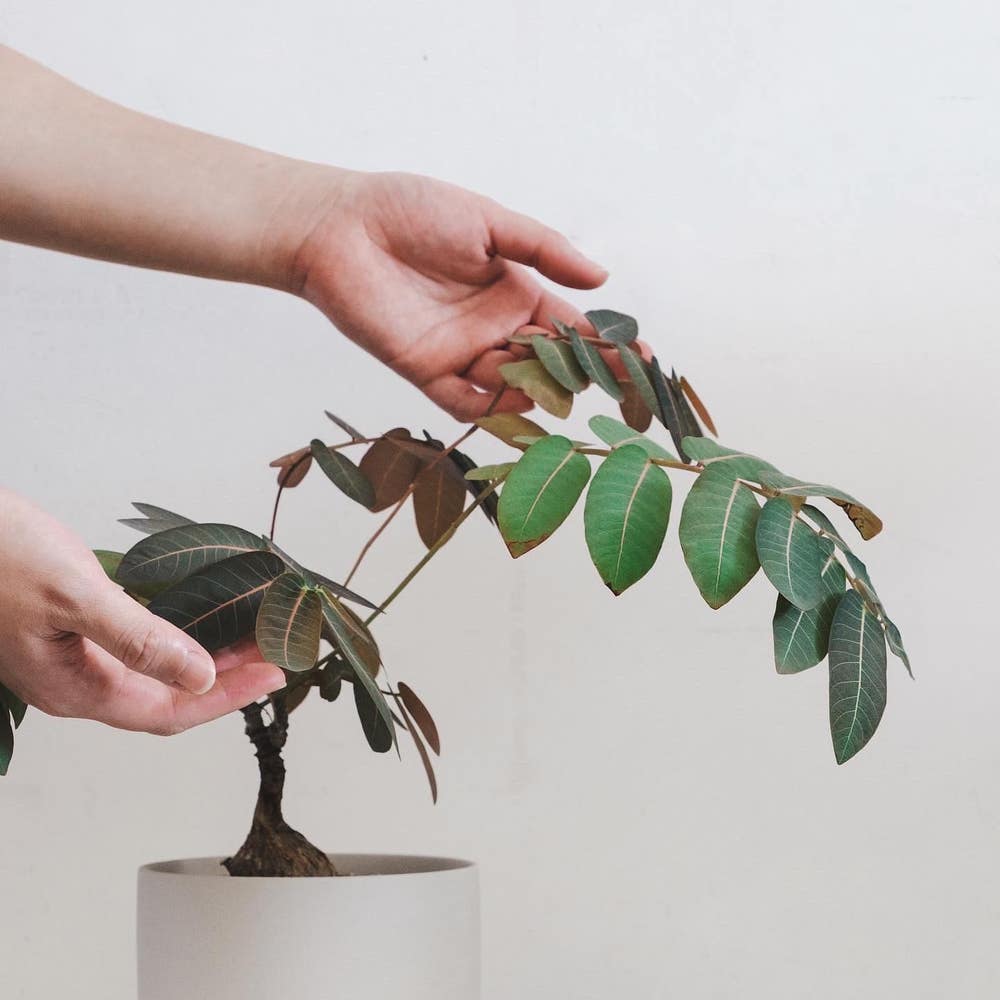
Phyllanthus strobilaceus
By the Greg Editorial Team
Nov 26, 2024•8 min read
This article was created with the help of AI so we can cover more plants for you. May contain errors. See one? Report it here.
Unlock vibrant blooms 🌼 by mastering sunlight, watering, and soil care for your Leaf Flowers!
- 🌞 Leaf Flowers need 4-6 hours of sunlight; too much or too little harms growth.
- 💧 Water weekly, adjusting for heat; avoid overwatering to prevent root rot.
- 🌱 Healthy soil and regular fertilization are vital for thriving Leaf Flowers.
Sunlight Requirements
Ideal Conditions 🌞
Understanding the balance between full sun and partial shade is crucial for your Leaf Flowers. Ideally, these plants thrive with 4-6 hours of direct sunlight daily, which promotes healthy growth and vibrant blooms.
Effects of Insufficient or Excessive Sunlight 🌤️
Too little sunlight can lead to leggy growth and pale leaves, signaling your plants are stretching for light. Conversely, excessive sunlight may cause scorched leaves and wilting, indicating they’re overwhelmed by the heat.
Adjusting Sunlight Exposure 🌳
To provide shade during peak sun hours, consider using strategies like positioning taller plants nearby. Additionally, employing shade cloth or companion planting can help distribute light more evenly, ensuring your Leaf Flowers receive just the right amount of sun.
With a solid understanding of sunlight needs, you can now explore the next essential aspect of outdoor care: watering needs and frequency.
Watering Needs and Frequency
🌊 General Guidelines
Watering your Leaf Flower is crucial for its health. Aim to water once a week, increasing frequency during hot spells to keep your plants thriving.
Consistent moisture is key, but be cautious—overwatering can lead to waterlogged soil, which can harm your plants.
🚨 Signs of Overwatering and Underwatering
Recognizing the signs of overwatering is essential. Look for yellowing leaves and root rot, which indicate your plant is drowning.
On the flip side, underwatering manifests as drooping leaves and dry soil. If you notice these symptoms, it’s time to adjust your watering routine.
💧 Watering Techniques
Deep watering is the best practice for ensuring your plants get the moisture they need. This method encourages roots to grow deeper, making your plants more resilient.
Additionally, using mulch can be a game changer. It helps retain soil moisture and regulates temperature, creating a more stable environment for your Leaf Flower.
With these watering strategies in mind, you’ll be well on your way to nurturing healthy, vibrant plants. Next, let’s explore the ideal soil preferences and amendments to further enhance your gardening success.
Soil Preferences and Amendments
Ideal Composition 🌱
Healthy plants thrive in well-draining soil, which is crucial for preventing root rot and promoting robust growth. Aim for loamy or sandy soils enriched with organic matter to provide the best foundation for your leaf flowers.
pH and Nutrient Needs ⚗️
Maintaining the right pH is vital for nutrient absorption. The optimal range for leaf flowers is between 6.0 to 7.0, so regular soil testing can help you keep track of its health and balance.
Amendments 🧪
To enhance your soil, consider adding compost, peat moss, and perlite. These amendments improve soil structure and fertility, ensuring your plants have the nutrients they need to flourish.
Incorporating Amendments 🔄
Mix amendments into your existing soil by tilling or turning them in at a depth of about 6 to 12 inches. This process helps distribute nutrients evenly and improves overall soil quality.
With a solid understanding of soil preferences and amendments, you're well on your way to creating a thriving environment for your leaf flowers. Next, let's explore the fertilization schedule and types to further boost your plant care routine.
Fertilization Schedule and Types
🌱 Fertilization Needs
To keep your Leaf Flower thriving, fertilization is key. Aim to fertilize every 4-6 weeks during the growing season to provide essential nutrients.
Choosing the right type of fertilizer is also crucial. You can opt for balanced NPK fertilizers, which provide a mix of nitrogen, phosphorus, and potassium, or go for organic options that enrich the soil naturally.
💧 Application Techniques
When it comes to applying fertilizers, you have two main methods: granular and liquid. Granular fertilizers are sprinkled on the soil surface, while liquid fertilizers are mixed with water and applied directly to the plants.
Always remember to follow the package instructions for dosage. Over-fertilizing can harm your plants, so it's better to err on the side of caution.
With a solid fertilization routine in place, your Leaf Flowers will be well on their way to flourishing. Next, let’s explore effective protection strategies to keep them safe from environmental stressors and pests.
Protection Strategies
🌨️ Weather Protection Techniques
Extreme weather can wreak havoc on your plants. Covering them during frost is essential; use frost cloths or blankets to shield delicate leaves from the biting cold.
Windbreaks are another effective strategy. Planting shrubs or using fences can help reduce wind exposure, while a layer of mulch can regulate soil temperature and retain moisture.
🐛 Common Outdoor Pests and Management
Outdoor pests can be a gardener's nightmare. Keep an eye out for common culprits like aphids, spider mites, and caterpillars, as they can quickly damage your plants.
For control, consider using insecticidal soap or neem oil. Introducing beneficial insects, such as ladybugs, can also help keep pest populations in check.
🦠 Diseases and Prevention Methods
Diseases like root rot and powdery mildew can threaten your plant's health. To prevent these issues, ensure proper watering techniques and maintain good air circulation around your plants.
Choosing resistant varieties can also make a significant difference. Regularly inspecting your plants and adapting your care routine will help you stay ahead of potential problems.
With these protection strategies in place, your plants will be better equipped to thrive through various challenges. Next, let’s explore seasonal care routines to keep your garden flourishing all year round.
Seasonal Care
Spring Routines 🌸
Spring is the perfect time to rejuvenate your Leaf Flowers. Start by pruning and cleaning, which involves removing dead leaves and debris to promote healthy growth.
Next, focus on fertilization and soil amendment practices. Adding compost or organic matter will enrich the soil, providing essential nutrients as your plants wake from their winter slumber.
Summer Routines ☀️
As temperatures rise, increase your watering frequency. Monitor your plants closely for pests, as they tend to become more active during this season.
Mulching is crucial in summer. It helps retain moisture and regulates soil temperature, ensuring your plants stay hydrated and healthy.
Fall Routines 🍂
As fall approaches, prepare your plants for winter by reducing watering and fertilization. This gradual adjustment helps them acclimate to the colder months ahead.
Protect your plants from frost and extreme weather by covering them when necessary. This simple step can make a significant difference in their survival.
Winter Routines ❄️
For container plants indoors, consider light and temperature. Ensure they receive adequate sunlight and maintain a stable temperature to thrive.
Outdoors, cover your plants and manage snow load carefully. This protection is vital to prevent damage from harsh winter conditions, ensuring your Leaf Flowers emerge strong in spring.
Climate Zone Considerations
Identifying Suitable Zones 🌍
Understanding your climate zone is crucial for successful Leaf Flower care. The USDA hardiness zones provide a framework for identifying which varieties will thrive in your area.
Leaf Flowers generally flourish in zones 3 to 9. For instance, varieties like the 'Sunset' and 'Moonlight' perform exceptionally well in warmer climates, while 'Frosty' is more suited for cooler regions.
Adjusting Care Routines 🔄
Tailoring your care routines to local weather patterns can significantly enhance plant health. Adjust your watering and fertilization schedules based on seasonal changes and rainfall amounts.
In regions with extreme temperatures, be proactive. For example, during hot spells, increase watering frequency, while in cooler months, reduce fertilization to prevent stress on the plants.
Special Considerations for Extreme Climates ❄️☀️
Extreme climates require specific strategies to protect your Leaf Flowers. For heat protection, consider using shade cloth to shield plants during peak sun hours and establish a consistent watering schedule to keep the soil moist.
In cold weather, insulation is key. Use protective coverings like frost cloths and ensure that plants are well-mulched to retain warmth and moisture, safeguarding them against harsh winter conditions.
With these insights, you can confidently nurture your Leaf Flowers, ensuring they thrive regardless of your climate. Next, let's explore common misconceptions about plant care that can lead to confusion among gardeners.
Common Misconceptions
Myths About Care 🌱
Many gardeners fall prey to common myths about sunlight and watering needs. For instance, some believe that more sunlight always equals healthier plants, but too much sun can lead to scorched leaves and wilting.
Similarly, there's a misconception that plants thrive on constant moisture. In reality, overwatering can cause yellowing leaves and root rot, while underwatering leads to drooping leaves and dry soil. Understanding these nuances is key to successful plant care.
Clarifying Practices for Beginners 🌼
For novice gardeners, simplifying care routines can make a world of difference. Start with the basics: know your plant's sunlight and watering needs, and don't hesitate to adjust based on their responses.
Observation is crucial. Pay attention to how your plants react to different conditions, and be ready to adapt your care practices accordingly. This hands-on approach fosters a deeper connection with your plants and enhances your gardening skills.
As you navigate the world of outdoor leaf flower care, remember that learning is part of the journey. Embrace the process, and let your curiosity guide you toward becoming a more confident gardener.
With these insights, you're now better equipped to tackle common misconceptions and enhance your gardening experience. Next, let's explore the seasonal care routines that will keep your plants thriving throughout the year.
⚠️ Safety First
This content is for general information and may contain errors, omissions, or outdated details. It is not medical, veterinary advice, or an endorsement of therapeutic claims.
Always consult a qualified healthcare professional before using any plant as food, medicine, or supplement.
Never eat any plant (or feed one to pets) without confirming its identity with at least two trusted sources.
If you suspect poisoning, call Poison Control (800) 222-1222, the Pet Poison Helpline (800) 213-6680, or your local emergency service immediately.
Spotted an error? Please report it here.
Elevate your outdoor Leaf Flower care with Greg's tailored reminders 🌱, ensuring they receive just the right amount of sunlight and water for vibrant growth!