Ultimate Guide to Winter Care for Leaf Flower ❄️
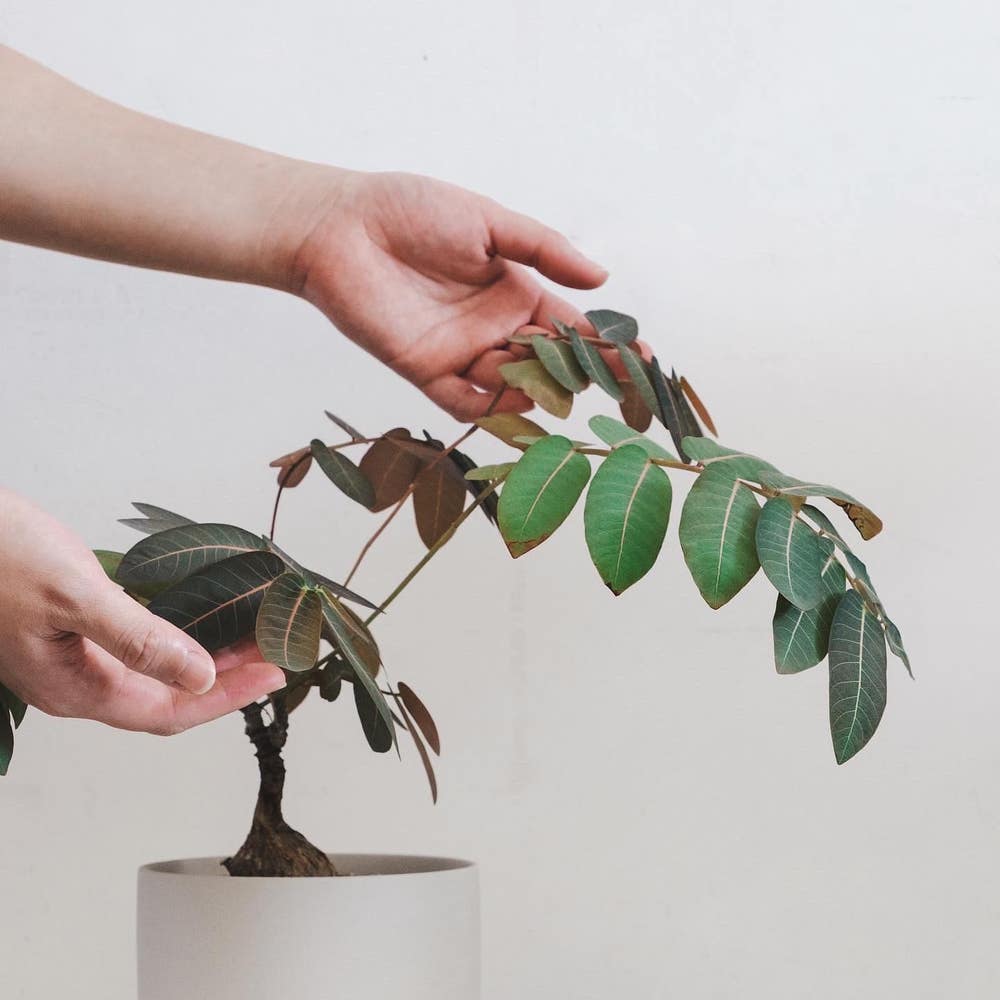
Phyllanthus strobilaceus
By the Greg Editorial Team
Nov 26, 2024•4 min read
This article was created with the help of AI so we can cover more plants for you. May contain errors. See one? Report it here.
Ensure your Leaf Flowers thrive this winter 🌱 for a vibrant and flourishing spring garden ahead!
- ❄️ Frost protection is crucial for Leaf Flowers to survive winter's chill.
- 🌱 Mulching insulates roots and retains moisture, promoting healthy winter growth.
- 🌞 Adjust watering to every 2-4 weeks to prevent root rot during dormancy.
Winter Care Techniques
❄️ Frost protection methods
Frost protection is crucial for Leaf Flowers as it prevents leaf damage and potential plant death. Implementing effective techniques can make a significant difference during the colder months.
Common frost protection techniques
- Mulching: Apply a layer of organic mulch, about 3-4 inches thick, around the base of your plants. This insulates the roots and retains moisture.
- Covering: Use frost cloths or burlap to cover your plants during unexpected cold snaps. This simple step can shield them from harsh temperatures.
- Relocating pots: If your Leaf Flowers are in containers, move them to sheltered areas. A garage or porch can provide the extra warmth they need.
💧 Adjusting watering schedules during winter
During winter, it's essential to adjust your watering schedule to prevent root rot. Overwatering can lead to serious issues, so keep an eye on your plants.
Watering frequency
Reduce your watering frequency significantly. Aim to water every 2-4 weeks, depending on the temperature and humidity levels in your area.
Signs of overwatering
Watch for signs like wilting, yellowing leaves, and mushy roots. These symptoms indicate that your plants may be receiving too much water.
🌱 Fertilizing in winter: what to know
Fertilizing during the winter months requires careful consideration. Generally, it's best to avoid fertilizing while your plants are dormant.
General rule
Stick to the rule of no fertilization during dormancy. However, if you have evergreen varieties, they may benefit from light feeding.
Exceptions for evergreen varieties
For these plants, consider using a balanced fertilizer every 6-8 weeks. This can help maintain their health through the winter.
Recommended fertilizer types
Opt for slow-release or organic fertilizers. These options provide nutrients gradually, ensuring your plants receive what they need without overwhelming them.
As you implement these winter care techniques, you'll set your Leaf Flowers up for success. Next, let's explore how to provide the best indoor care for your plants during the colder months.
Indoor Winter Care
🌱 Best practices for indoor care
Transitioning your Leaf Flower indoors for winter requires a gentle acclimation process. Start by gradually introducing your plants to the indoor environment to minimize shock.
Choosing the right container is crucial. Opt for pots with good drainage to prevent waterlogging, which can lead to root rot and other issues.
☀️ Light and temperature requirements
Your Leaf Flower thrives in bright, indirect sunlight for about 6-8 hours daily. Position them near a window where they can soak up the light without being scorched.
Maintaining indoor temperatures is also essential. Aim for a cozy range between 60°F to 70°F (15°C to 21°C) to keep your plants happy and healthy.
Humidity plays a significant role in indoor care. To boost humidity levels, consider using pebble trays or humidifiers, especially in dry winter months.
With these practices in place, your Leaf Flower will be well-prepared to thrive indoors during the winter. Next, let’s explore how to identify signs of winter damage as spring approaches.
Spring Preparation and Recovery
🌨️ Signs of winter damage
As winter fades, it's essential to assess your Leaf Flowers for any signs of damage. Look for common symptoms such as brown, crispy leaf edges, stunted growth, and leaf drop.
🌱 Assessing overall plant health
Check the roots for rot and inspect for any pest infestations. A thorough examination will help you determine the best course of action for recovery.
🛠️ Steps for recovery from winter damage
✂️ Pruning damaged foliage
Start by removing any dead or damaged leaves and stems. This not only improves the plant's appearance but also encourages new growth.
💧 Reassessing watering and fertilizing
Gradually resume your normal care routines, adjusting watering and fertilizing as needed. Be cautious not to overdo it, as plants may still be recovering.
🐛 Monitoring for pests
After winter, inspect your plants for any signs of pest activity. Early detection can prevent infestations from becoming a larger issue.
🌼 Preparing for spring growth
⏰ Timing for spring preparation
Begin your spring preparations as temperatures start to rise. This is the perfect time to give your Leaf Flowers the care they need to thrive.
🌿 Fertilization strategy
Apply a balanced fertilizer to encourage new growth. This will provide the nutrients necessary for your plants to bounce back.
🚿 Watering adjustments
As your plants begin to actively grow, increase your watering frequency. This will support their recovery and promote healthy development.
With these steps, your Leaf Flowers will be well on their way to a vibrant spring. Transitioning from winter care to spring growth is a rewarding process that sets the stage for a flourishing garden.
⚠️ Safety First
This content is for general information and may contain errors, omissions, or outdated details. It is not medical, veterinary advice, or an endorsement of therapeutic claims.
Always consult a qualified healthcare professional before using any plant as food, medicine, or supplement.
Never eat any plant (or feed one to pets) without confirming its identity with at least two trusted sources.
If you suspect poisoning, call Poison Control (800) 222-1222, the Pet Poison Helpline (800) 213-6680, or your local emergency service immediately.
Spotted an error? Please report it here.
Keep your Leaf Flowers thriving this winter ❄️ by using Greg's tailored reminders and expert tips to protect them from frost and adjust your care routine!