Best Tips for Droopy Leaves on Leaf Flower 🌸
Phyllanthus strobilaceus
By the Greg Editorial Team
Nov 26, 2024•5 min read
This article was created with the help of AI so we can cover more plants for you. May contain errors. See one? Report it here.
Transform droopy plants 🌱 into thriving beauties with essential tips on watering and humidity care!
- 💧 Overwatering and underwatering are primary causes of droopy leaves; adjust watering accordingly.
- 🌡️ Ideal conditions for Leaf Flowers: 65°F-80°F and 60%-80% humidity for optimal health.
- 🐛 Inspect for pests and diseases; they can also lead to droopy leaves.
Causes of Droopy Leaves
💧 Overwatering: Signs and Solutions
Overwatering is a common culprit behind droopy leaves. Symptoms include yellowing leaves that precede drooping and soft, mushy roots when inspected.
To combat overwatering, allow the soil to dry out. Wait until the top 1-2 inches are dry before watering again.
If root rot is present, consider repotting your plant with fresh, well-draining soil. Adjust your watering frequency to every 1-2 weeks, depending on humidity and temperature.
🌵 Underwatering: Identifying and Addressing
Underwatering can also lead to droopy leaves. Look for wilting leaves that appear limp and dry soil that feels completely parched.
To address underwatering, establish a consistent watering schedule, typically every 1-2 weeks. Use a deep watering technique, ensuring water thoroughly saturates the soil until excess drains from the bottom.
After watering, keep an eye out for signs of recovery, such as perked-up leaves within a few hours.
🌬️ Environmental Stress: Temperature and Humidity Effects
Environmental stress can significantly impact your Leaf Flower. Ideal conditions include a temperature range of 65°F to 80°F (18°C to 27°C) and humidity levels between 60% and 80%.
Droopy leaves may occur due to sudden temperature changes or low humidity. To mitigate this, consider using humidity trays by placing a tray of water with pebbles under the pot to increase moisture levels.
Additionally, avoid placing your plant near drafts, such as air conditioning vents or heaters, to maintain a stable environment.
Understanding these causes will help you diagnose and treat droopy leaves effectively. Next, let’s explore how to diagnose the specific issues affecting your plant.
Diagnosing Droopy Leaves
👀 Visual Symptoms to Look For
Identifying droopy leaves starts with observing visual symptoms. Look for leaf color changes such as yellowing, browning, or the appearance of dark spots.
Additionally, assess the leaf texture. Softness or wilting compared to healthy leaves can indicate stress. Overall plant appearance is also crucial; stunted growth or leggy stems often signal underlying issues.
💧 Assessing Soil Moisture Levels
Next, check the soil moisture levels to determine if watering is the problem. Use the finger test by inserting your finger into the soil up to the second knuckle to gauge moisture.
For more accuracy, consider using a soil moisture meter. Ideally, the soil should feel moist but not soggy, striking a balance that supports healthy growth.
🐛 Checking for Pests and Diseases
Pests and diseases can also contribute to droopy leaves. Common pests include spider mites, which leave fine webbing and stippled leaves, and mealybugs, recognizable by their cotton-like clusters on leaves and stems.
Watch for signs of disease, such as fungal infections that manifest as black spots or mold on leaves. For pest control, use insecticidal soap or neem oil, and for disease management, remove affected leaves and improve air circulation.
By carefully diagnosing these symptoms, you can pinpoint the cause of droopy leaves and take appropriate action. This understanding sets the stage for effective treatment and recovery.
Treatment for Droopy Leaves
Step-by-Step Recovery Process 🌱
When your Leaf Flower shows droopy leaves, the first step is to identify the cause. Is it overwatering, underwatering, or environmental stress?
Once you've pinpointed the issue, adjust your watering practices accordingly. This may involve changing how often or how much you water.
Next, focus on improving environmental conditions. Increasing humidity and maintaining an optimal temperature can make a significant difference in your plant's recovery.
Adjusting Watering Practices 💧
Establishing a consistent watering routine is crucial for your Leaf Flower's health. Tailor your watering schedule based on the plant's specific needs and the surrounding environmental conditions.
Additionally, using well-draining soil is essential. This helps prevent root rot, ensuring your plant can thrive without the risk of over-saturation.
Improving Humidity Levels 🌬️
To boost humidity levels around your Leaf Flower, consider grouping it with other humidity-loving plants. This creates a microclimate that benefits all the plants involved.
Alternatively, using a humidifier can help maintain consistent humidity levels in your space. This is especially useful in drier environments, ensuring your Leaf Flower stays happy and healthy.
By following these treatment steps, you can help your Leaf Flower bounce back from droopy leaves. Next, let’s explore how to prevent droopy leaves in the future.
Preventing Droopy Leaves
🌊 Best Practices for Watering
Establishing a consistent watering schedule is crucial for keeping your Leaf Flower healthy. Monitor the soil moisture regularly; when the top inch feels dry, it's time to water.
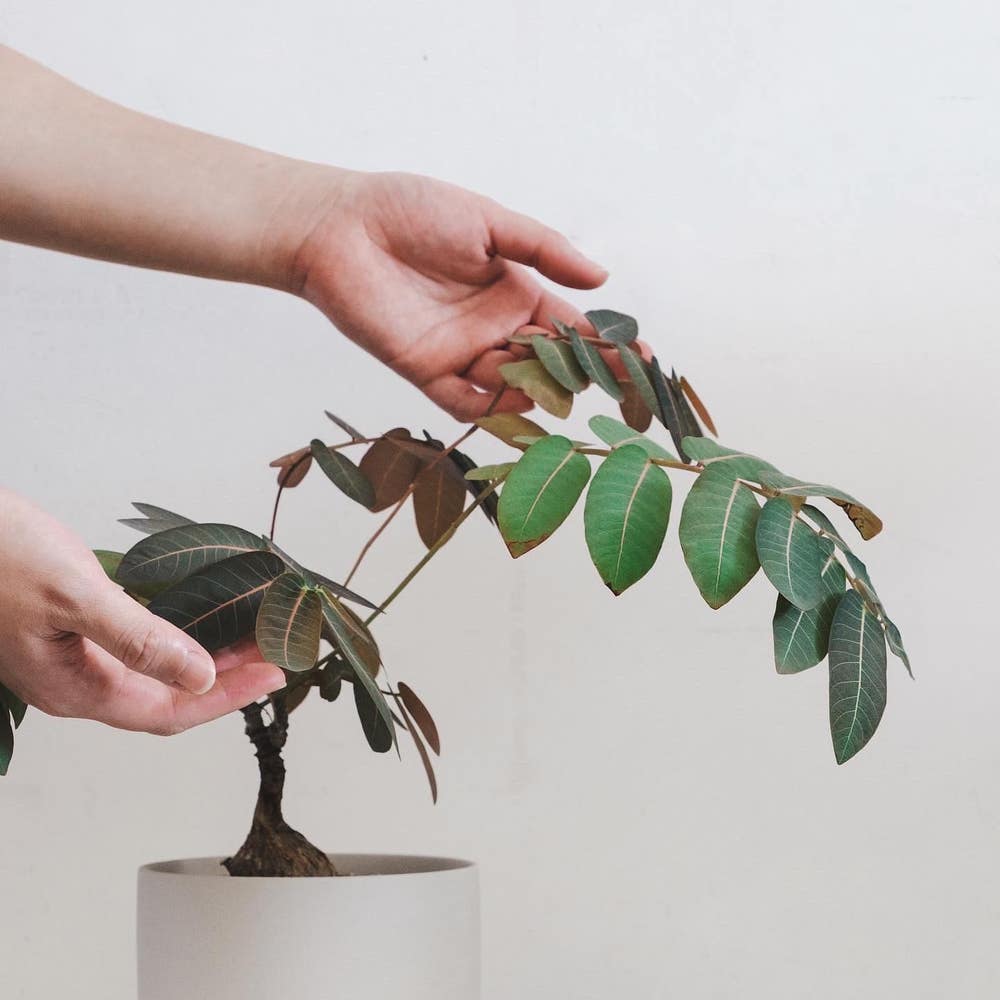
Proper watering should result in firm, upright leaves. If your leaves are drooping, it may indicate that your watering routine needs adjustment.
☀️ Ideal Light Conditions
Your Leaf Flower thrives in bright, indirect sunlight for about 6-8 hours daily. This light exposure helps maintain vibrant foliage and overall plant health.
Be cautious of direct sunlight, as it can scorch the leaves. Filtering the light with sheer curtains or placing the plant in a well-lit corner can help protect it.
🍂 Seasonal Care Adjustments
As seasons change, so should your care routine. In winter, reduce watering frequency since plants typically enter a dormant phase and require less moisture.
Additionally, be mindful of temperature drops during colder months. Fertilizing less frequently during this time can also prevent stress on your plant, ensuring it remains vibrant and healthy.
By following these best practices, you can significantly reduce the risk of droopy leaves and promote a thriving Leaf Flower. Next, let’s explore how to diagnose droopy leaves effectively.
⚠️ Safety First
This content is for general information and may contain errors, omissions, or outdated details. It is not medical, veterinary advice, or an endorsement of therapeutic claims.
Always consult a qualified healthcare professional before using any plant as food, medicine, or supplement.
Never eat any plant (or feed one to pets) without confirming its identity with at least two trusted sources.
If you suspect poisoning, call Poison Control (800) 222-1222, the Pet Poison Helpline (800) 213-6680, or your local emergency service immediately.
Spotted an error? Please report it here.
Keep your Leaf Flower perky and vibrant 🌿 by using Greg's tailored watering reminders and care tips to tackle droopy leaves effectively!