🌸 Ultimate Guide to Potting Leaf Flower
Phyllanthus strobilaceus
By the Greg Editorial Team
Nov 26, 2024•7 min read
This article was created with the help of AI so we can cover more plants for you. May contain errors. See one? Report it here.
Unlock your leaf flower's full potential 🌱 by mastering the art of pot selection for vibrant growth and health!
- 🌱 Choosing the right pot is vital for your leaf flower's health and growth.
- 💧 Adequate drainage prevents root rot; ensure pots have 3-5 drainage holes.
- 🔄 Repot every 1-2 years to promote growth and maintain plant health.
Pot Selection for Leaf Flower
🌱 How Pot Choice Affects Health and Growth
Choosing the right pot is crucial for the health of your leaf flower. Proper pot selection can prevent root rot by ensuring adequate drainage, which is essential for thriving plants.
The size of the container also plays a significant role in root development. A pot that is too small can stunt growth, while one that is too large may lead to overwatering issues.
🧱 Impact of Pot Materials
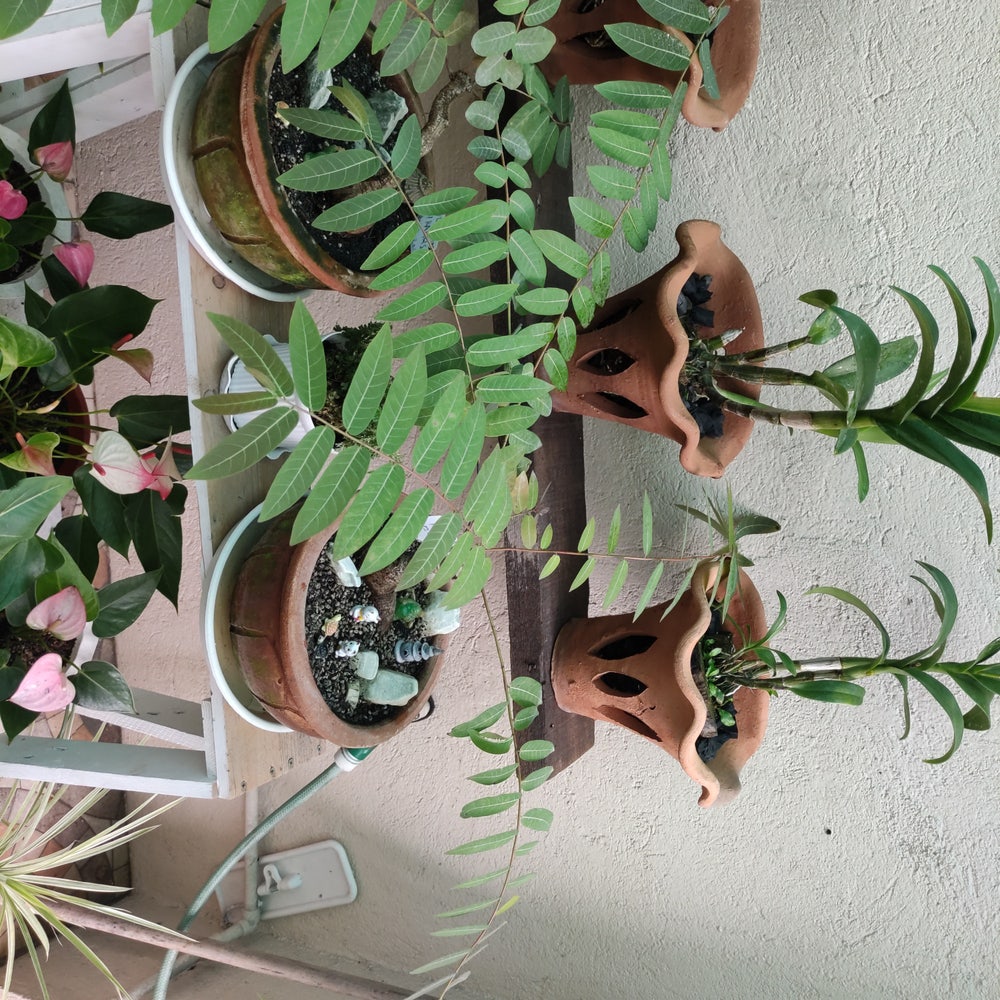
The material of your pot can influence moisture retention and airflow to the roots. For instance, clay pots are breathable and help regulate moisture, but they can be heavy and require more frequent watering.
On the other hand, plastic pots are lightweight and retain moisture longer, making them easier to handle. However, they may not provide the same level of airflow as clay pots.
📋 Summary of Key Considerations
When selecting a pot, consider the following:
- Drainage: Ensure the pot has adequate drainage holes to prevent water accumulation.
- Size: Choose a container that allows for healthy root growth without being overly spacious.
- Material: Select a pot material that suits your watering habits and aesthetic preferences.
By paying attention to these factors, you can create an optimal environment for your leaf flower to flourish.
As you explore potting options, remember that the right choice can significantly impact your plant's growth and overall health. Next, we'll delve into the recommended pot sizes for different growth stages of your leaf flower.
Pot Sizes for Different Growth Stages
Recommended Sizes for Seedlings 🌱
For seedlings, the ideal container size is between 4 to 6 inches in diameter. This smaller size helps maintain moisture control and supports effective root establishment.
Ideal Sizes for Mature Plants 🌼
As your leaf flower matures, you'll want to transition to a container size of 8 to 10 inches in diameter. When selecting a pot, consider the plant's height and leaf spread to ensure it has enough space to thrive.
Transitioning Sizes as the Plant Grows 📏
To keep your plant healthy, monitor its growth every 6 to 12 months.
- Increase the pot size by 2 inches in diameter when you notice roots starting to outgrow the current pot.
- Ensure the new pot is at least 1 to 2 inches deeper to accommodate further root growth.
By following these guidelines, you can ensure your leaf flower has the right environment to flourish at every stage of its life. This proactive approach to pot sizing will set the foundation for a vibrant, healthy plant.
Next, let’s explore the various pot materials that can further enhance your plant’s growth and health.
Pot Materials
Benefits of Clay Pots 🌱
Clay pots are a popular choice among plant enthusiasts for several reasons. Their breathability allows for better airflow to the roots, helping to prevent issues like root rot.
Additionally, clay pots excel at moisture regulation, absorbing excess water and releasing it slowly. This feature can be particularly beneficial for plants that prefer consistent moisture levels. However, keep in mind that clay pots are heavier than other options, which may make them less convenient to move around. They also tend to dry out faster, requiring more frequent watering.
Advantages of Plastic Pots ♻️
Plastic pots are a fantastic alternative, especially for those who prioritize ease of use. They are lightweight and easy to handle, making them ideal for larger plants or frequent rearrangements.
One of the standout features of plastic pots is their ability to retain moisture longer than clay. This means you might find yourself watering less often, which can be a real time-saver for busy plant parents.
Comparison of Other Materials 🏺
When considering pot materials, ceramic pots often come to mind. They are visually appealing and can add a decorative touch to your plant display. However, they can be quite heavy, so ensure they have proper drainage holes to prevent water accumulation.
Biodegradable pots are another eco-friendly option, perfect for seedlings. They break down over time, enriching the soil, but may not hold up for long-term use. Choose wisely based on your plant's needs and your gardening style.
Understanding the pros and cons of different pot materials can significantly impact your plant's health and growth. With the right choice, you can create an optimal environment for your leaf flower to thrive.
As you explore potting options, consider how each material aligns with your gardening goals and the specific needs of your plants. This thoughtful approach will set the stage for successful growth and vibrant foliage.
Drainage Considerations
Importance of Drainage Holes 🌱
Proper drainage holes are crucial for the health of your leaf flower. They prevent water accumulation, which can lead to root rot, a common issue for many plants.
Aim for a minimum of 3-5 drainage holes in your pots to ensure adequate water flow. This simple feature can make a significant difference in your plant's vitality.
Ensuring Proper Drainage 🚰
To promote healthy drainage, use a well-draining potting mix. A blend that includes perlite or sand can help keep the soil aerated and moisture levels balanced.
Additionally, consider elevating your pots slightly using pot feet or stones. This enhances airflow and prevents water from pooling at the bottom.
Signs of Poor Drainage and Its Effects ⚠️
Be on the lookout for signs of poor drainage, such as yellowing leaves, wilting, and root rot. These symptoms indicate that your plant is struggling and may need immediate attention.
Addressing drainage issues promptly is essential to maintain your plant's health. Ignoring these signs can lead to more severe problems down the line, so stay vigilant!
With proper drainage in place, your leaf flower will thrive, setting the stage for a healthy and vibrant plant. Next, let’s explore when and how to repot your leaf flower for continued growth.
Repotting Leaf Flower
When to Repot 🌱
Repotting your leaf flower is essential for its health. Aim to do this every 1-2 years or whenever you notice the plant becoming root-bound.
Spring is the best time for repotting, as this aligns with the active growing season. Your plant will be more resilient and ready to adapt to its new home.
Signs Indicating the Need for Repotting 🚨
Keep an eye out for several signs that indicate it's time to repot. If you see roots growing out of the drainage holes, that’s a clear signal.
Additionally, if the soil dries out quickly after watering or if your plant shows stunted growth despite proper care, it’s time for a change. These signs suggest that your plant needs more space to thrive.
Step-by-Step Guide to Repotting 🛠️
Repotting doesn’t have to be daunting. Follow these simple steps to ensure a smooth transition for your leaf flower:
- Choose a New Pot: Select a pot that is 1-2 inches larger in diameter than the current one.
- Remove the Plant: Gently take the plant out of its pot, loosening the root ball to avoid damage.
- Add Potting Soil: Fill the new pot with fresh potting soil, stopping when it’s about one-third full.
- Position the Plant: Place the plant in the center of the new pot and fill in around the sides with soil, ensuring the roots are well-covered.
- Water Thoroughly: Give the plant a good drink and allow excess water to drain out.
By following these steps, you’ll help your leaf flower flourish in its new environment. This process not only promotes growth but also enhances the overall health of your plant.
As you care for your leaf flower, remember that repotting is just one part of the journey. Next, let’s explore the importance of pot materials and how they can further influence your plant’s well-being.
⚠️ Safety First
This content is for general information and may contain errors, omissions, or outdated details. It is not medical, veterinary advice, or an endorsement of therapeutic claims.
Always consult a qualified healthcare professional before using any plant as food, medicine, or supplement.
Never eat any plant (or feed one to pets) without confirming its identity with at least two trusted sources.
If you suspect poisoning, call Poison Control (800) 222-1222, the Pet Poison Helpline (800) 213-6680, or your local emergency service immediately.
Spotted an error? Please report it here.
Ensure your leaf flower thrives by mastering pot selection and drainage, and let Greg provide you with customized care reminders 🌿 to keep your plant flourishing!