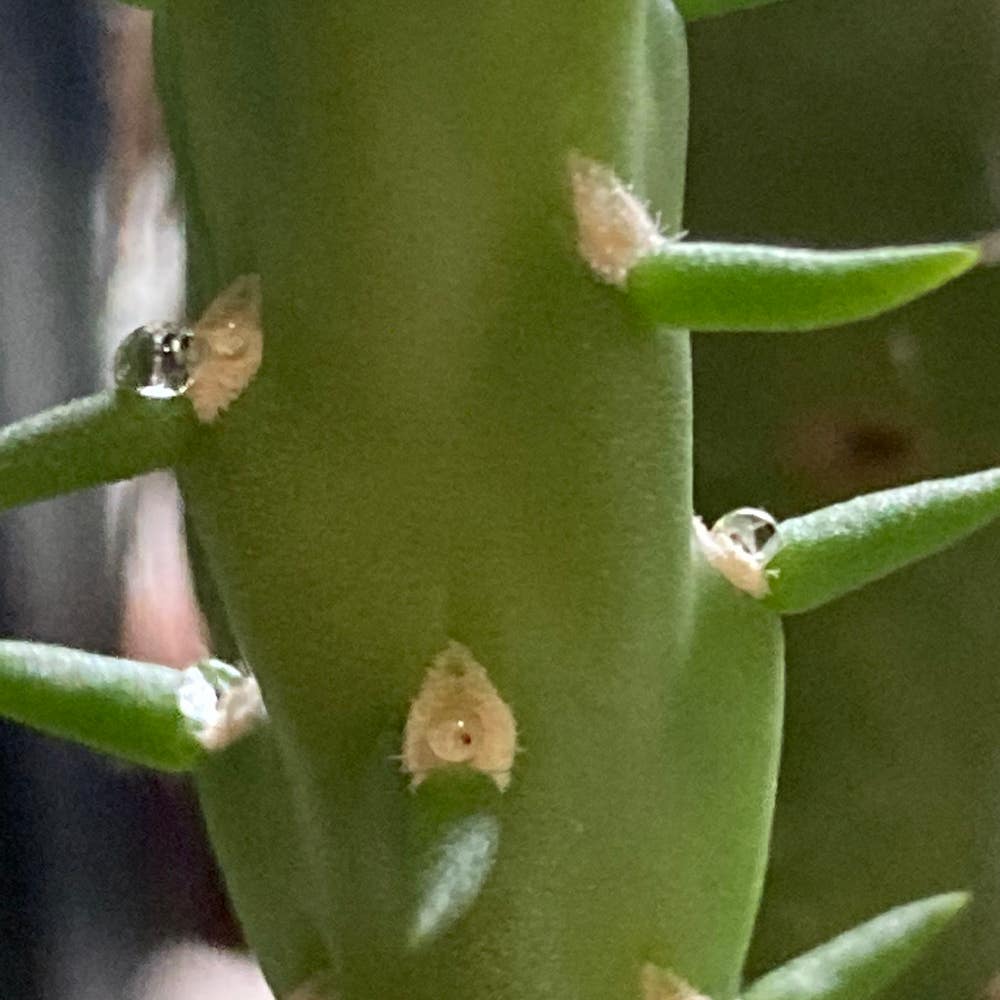
🌵 Is Direct Sunlight Good for My Silver Cholla?
Cylindropuntia echinocarpa
By the Greg Editorial Team
Apr 24, 2024•4 min read
This article was created with the help of AI so we can cover more plants for you. May contain errors. See one? Report it here.
Learn the secret to a vibrant Silver Cholla by mastering its unique sunlight needs. 🌞🌵
[[Thoughts]]: The revised statement is concise, within the character limit, and emphasizes the benefit of reading the article, which is learning how to care for the Silver Cholla's specific sunlight requirements. It also maintains a balance between practical and aspirational insight, encouraging readers to aim for a vibrant cactus. The use of emojis adds a quirky touch and relates directly to the content.
- 🌵 Thrives in direct sunlight, but watch for sunburn signs.
- Rotate and adjust seasonally for even exposure and plant health.
- Supplement with grow lights if natural light is insufficient.
Soaking Up the Rays: Silver Cholla's Sunlight Preferences
🌞 Silver Cholla and Direct Sunlight: A Match Made in the Desert
The Silver Cholla is a desert dweller at heart, thriving in the relentless sun. Its love for direct sunlight is as deep as its roots, craving a minimum of six hours to maintain its spiky splendor. Mimicking its native habitat, ensure your cactus gets unfiltered access to those golden rays.
🕶 Can Silver Cholla Get Too Much Sun?
Sunburn on a cactus? Yes, it's a thing. Signs include discoloration and dry, brittle patches. If your Silver Cholla is looking more fried than fabulous, it's time to intervene. Shade cloth can be a cactus lifesaver during peak sun hours. Remember, even sun worshippers need a break.
The Window to Sunlight Success: Placement Matters
🌞 The Best Window Directions for Your Silver Cholla
South-facing windows are the solar panels of the plant world, especially if you're in the Northern Hemisphere. They're the prime real estate for your Silver Cholla, offering a steady stream of sunlight throughout the day. East-facing windows can be the soft launch into daylight, providing gentle morning rays that won't overwhelm your cactus. West-facing windows? They're the afternoon power surge, intense and direct—handle with care. North-facing windows are the chill zones, with consistent but moderate light, a safe bet if you're worried about scorching.
🌍 Hemisphere Hints: Adjusting for Your Location
Your global address changes the game. Hemisphere awareness is crucial; it's like knowing whether to shake hands or bow. In the Southern Hemisphere, flip the script—north-facing windows are where the party's at. Here, your Silver Cholla can bask in the glory of the midday sun without breaking a sweat. Remember, the sun doesn't do house calls; you need to position your plant like a sundial, tracking the light to give it that optimal tan. Keep it simple: south for the north, north for the south, and you're golden—or rather, your Silver Cholla is.
Seasonal Sun Shifts: Adapting Silver Cholla Care Throughout the Year
🌞 Summer vs. Winter Sun: What Silver Cholla Wants
Summer's scorching rays demand respect. Your Silver Cholla can handle heat, but too much direct sunlight can lead to sunburn. Create some shade during peak hours to protect it. As winter rolls in, the sun plays hard to get. Move your cactus closer to the light, ensuring it still basks in those precious, weaker rays.
💫 The Moving Sun: Tracking Light for Optimal Exposure
Tracking the sun's path is key for your Silver Cholla's happiness. As the sun shifts across seasons, so should your cactus. Rotate the plant regularly for even sun exposure, preventing a lopsided look. In summer, pull it back from the window to avoid the solar onslaught. Come winter, inch it forward—your Silver Cholla craves that cozy spot where the light is just right.
When the Sun's Away: Supplementing Light for Silver Cholla
💡 Artificial Sunshine: Using Grow Lights Effectively
Grow lights are your Silver Cholla's best friend when the sun decides to play hide-and-seek. LED or fluorescent bulbs that mimic the sun's spectrum are ideal. They're like a secret weapon for your cactus's photosynthesis, especially during the gloomier months or in rooms where natural light is as rare as a cactus in the Arctic.
- Timing is crucial: Use grow lights to simulate the natural daylight hours your Silver Cholla would experience outdoors.
- Intensity matters: Adjust the brightness to avoid overwhelming your plant. Think of it as a gentle caress of photons, not a full-blown solar bear hug.
- Distance is key: Position the lights close enough to kiss the tips of your cactus without causing a sunburn.
Signs Your Silver Cholla Needs More Light
Your Silver Cholla won't send you a text when it's craving more light, but it has other ways of getting the message across. Etiolation—when your cactus starts stretching towards the light like it's trying to snag the last cookie—is a dead giveaway.
- Look for paleness: If your Silver Cholla's vibrant green is fading faster than a cheap tattoo, it's probably light-starved.
- Growth patterns tell tales: A leaning cactus or uneven growth is your cue to reassess the lighting situation.
Remember, your Silver Cholla is a sun worshipper at heart. When the real deal isn't available, it's up to you to bring the sunshine to it.
⚠️ Safety First
This content is for general information and may contain errors, omissions, or outdated details. It is not medical, veterinary advice, or an endorsement of therapeutic claims.
Always consult a qualified healthcare professional before using any plant as food, medicine, or supplement.
Never eat any plant (or feed one to pets) without confirming its identity with at least two trusted sources.
If you suspect poisoning, call Poison Control (800) 222-1222, the Pet Poison Helpline (800) 213-6680, or your local emergency service immediately.
Spotted an error? Please report it here.
Ensure your Silver Cholla gets just the right amount of sunshine 🌞 with Greg's personalized sunlight exposure tips, avoiding sunburn and promoting healthy growth.