When and Where Should I Trim My Silver Cholla?
Cylindropuntia echinocarpa
By the Greg Editorial Team
Apr 24, 2024•3 min read
This article was created with the help of AI so we can cover more plants for you. May contain errors. See one? Report it here.
Perfect Silver Cholla pruning 🌵✂️ ensures a stunning and robust cactus all year round!
- Spring/early summer best for pruning; avoid winter and wet conditions.
- Prune dead branches and manage overgrowth for health and aesthetics.
- Use sharp tools, clean cuts; monitor and adjust care post-pruning.
Best Seasons for Silver Cholla Pruning
🌸 When to Grab Your Pruning Shears
Spring and early summer are prime time for pruning your Silver Cholla. Look for signs of new growth as your cue to get snippy.
⏰ Timing is Everything
The plant's growth cycle is your roadmap for pruning. Post-bloom springtime is ideal, as the Silver Cholla is gearing up for growth. Avoid winter cuts; it's the plant's downtime. Weather-wise, dodge wet, humid conditions to prevent disease.
Where to Make the Cut
🚩 Spotting Trouble Areas
Dead or diseased branches on your Silver Cholla are like red flags; they need to be addressed immediately. Look for limbs that have lost their vigor, sporting a brown, wilted, or rotting appearance. It's not just about aesthetics—these can be hotbeds for disease.
Overgrowth and crowding can stifle your cactus, so keep an eye out for branches that are too cozy with their neighbors. A little breathing room goes a long way in preventing issues and maintaining a healthy plant.
🎭 Aesthetic Pruning vs. Health-Driven Pruning
It's a delicate dance between making your Silver Cholla look good and keeping it healthy. When you prune for aesthetics, you're shaping the future—literally. Aim for a form that pleases the eye but doesn't compromise the plant's well-being.
Deciding on the shape and size of your Silver Cholla is a personal journey. Just remember, every snip affects the plant's energy distribution. Balance is key; you want a plant that's both stunning and sturdy.
Pruning Like a Pro
🌵 Choosing Your Tools
Sharpness is your best friend when it comes to pruning Silver Cholla. Opt for bypass secateurs or micro snips, which offer the precision needed to navigate the plant's spiky exterior. Think of these tools as your plant's personal surgeons, making clean cuts that encourage healthy regrowth.
Keeping your tools clean is not just a suggestion; it's a must. Disinfect them with rubbing alcohol before and after use to shield your Silver Cholla from potential diseases. It's like giving your plant a health insurance policy.
🌿 The Art of the Snip
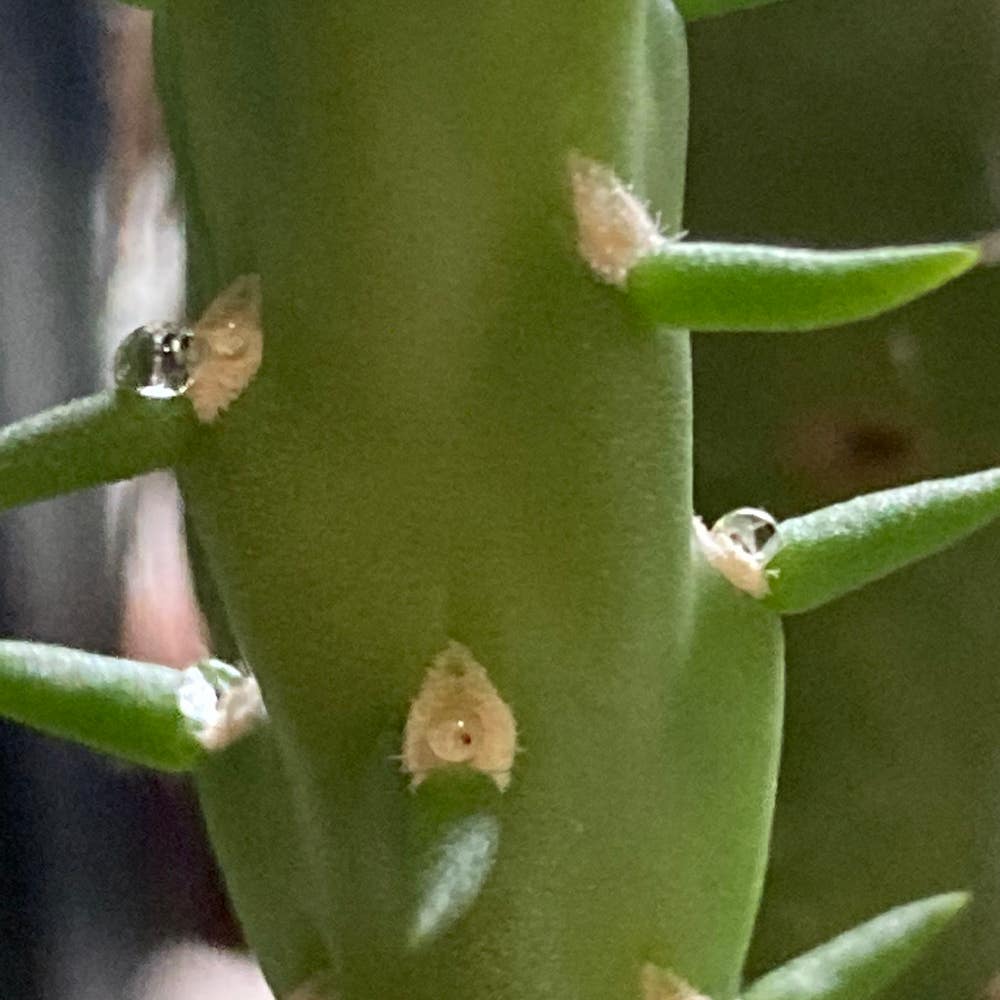
When you're ready to prune, aim for precision. Each cut should be made above a node or leaf intersection, the command centers for new growth. Angle your cuts at 45 degrees to promote healing and prevent water accumulation, which can lead to fungal issues.
Avoid over-pruning; it's like giving your plant a buzz cut when all it needed was a trim. Less is often more. If you find yourself getting snip-happy, take a step back. Assess your work like an artist reviewing a canvas, ensuring that you're sculpting your Silver Cholla into a healthier, more vibrant version of itself.
Aftercare and Maintenance Post-Pruning
🩹 Healing and Recovery
After pruning your Silver Cholla, it's time for the plant to heal. Expect a recovery period where the plant redirects energy to heal the cuts.
Keep the pruned areas clean; any lingering debris invites pests and disease.
💧 Caring for the Pruned Areas
Watering needs may shift post-pruning; keep soil consistently moist but not soggy.
Protection from extreme weather helps prevent stress on the healing plant.
🌱 Keeping Up with Growth
Monitor new growth as a sign of a healthy recovery.
If growth seems stunted or non-existent, reassess your care approach—something might be amiss.
📅 Scheduling Your Next Pruning Session
Mark your calendar for the next pruning session; regular trims keep your Silver Cholla in top shape.
Stay vigilant; the best time for the next prune depends on how the plant responds to the first.
⚠️ Safety First
This content is for general information and may contain errors, omissions, or outdated details. It is not medical, veterinary advice, or an endorsement of therapeutic claims.
Always consult a qualified healthcare professional before using any plant as food, medicine, or supplement.
Never eat any plant (or feed one to pets) without confirming its identity with at least two trusted sources.
If you suspect poisoning, call Poison Control (800) 222-1222, the Pet Poison Helpline (800) 213-6680, or your local emergency service immediately.
Spotted an error? Please report it here.
Prune your Silver Cholla to perfection and avoid overgrowth 🌵 with Greg's personalized care reminders, ensuring your cactus stays healthy and stunning.