🌵 How Do I Know When My Silver Cholla Needs Water?
Cylindropuntia echinocarpa
By the Greg Editorial Team
Apr 24, 2024•3 min read
This article was created with the help of AI so we can cover more plants for you. May contain errors. See one? Report it here.
Discover the secret to a lush Silver Cholla 🌵 by mastering its watering cues and schedule! 🚰
- Shriveling stems and dull color signal your Silver Cholla's thirst.
- Use the finger test to check soil moisture before watering.
- Adjust watering with seasons: more in summer, less in winter.
Spotting Thirsty Silver Cholla: Signs to Watch For
🚰 Visual Cues of Dehydration
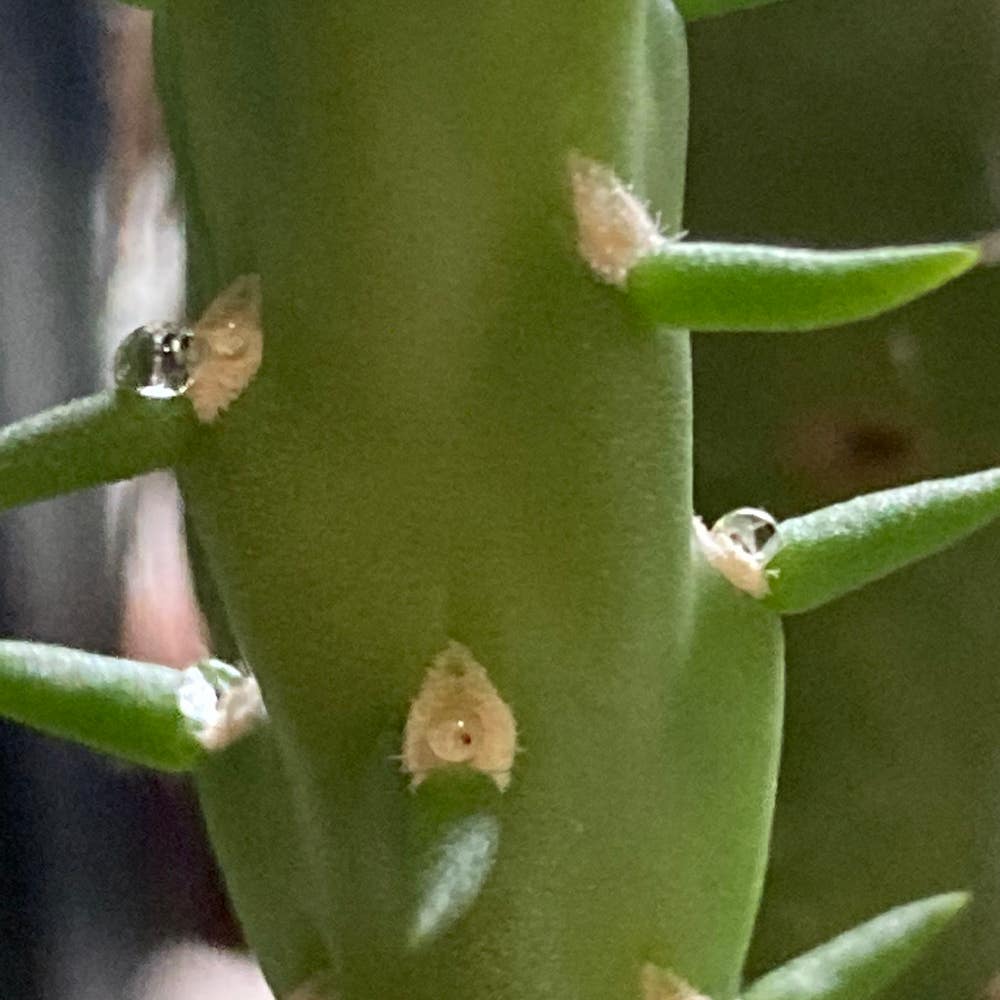
Shriveling stems don't just mean your Silver Cholla is having an off day. They're a clear distress signal that your plant is in dire need of water. When the once plump and sturdy stems begin to look deflated, it's time to act.
A color change is another telltale sign. If the silver sheen starts to dull or the vibrant green fades, your Silver Cholla is not just changing its aesthetic—it's crying out for hydration.
🖐️ Tactile and Soil Clues
When the surface feels bone dry to the touch, don't just stand there—your Silver Cholla needs water. The tactile approach is straightforward and reliable: if the topsoil feels like a desert, your plant is in a drought.
The finger test is your go-to for checking soil moisture. Dig in about an inch—if it's dry, it's time to bring out the watering can. No need for fancy gadgets when your finger can tell you what your Silver Cholla needs.
Crafting the Perfect Watering Schedule
💧 Seasonal Watering Shifts
Summer is the Silver Cholla's time to shine. With the heat cranking up, these cacti are in their element, guzzling water to fuel their growth. Water more frequently during these months, but always with a watchful eye on the soil's moisture level.
Come winter, the Silver Cholla's thirst dials back. The cooler temperatures signal a time for rest, and your watering can should take a break too. Reduce watering significantly, but don't let the soil turn into a desert.
🌱 Growth Stage Watering Needs
A baby Silver Cholla is like a growing teen—always hungry, or in this case, thirsty. Young plants need consistent moisture to establish their roots and support their sprouting spines.
As they mature, these cacti become the embodiment of self-sufficiency. Mature Silver Cholla require less frequent watering, relying on their robust root systems to sustain them. Adjust your watering schedule to support their stoic independence.
The Right Way to Water Silver Cholla
💦 Deep Watering Techniques
Mimicking desert downpours is the secret sauce for Silver Cholla hydration. Drench the soil until water runs out the bottom, then back off until it's bone dry. This approach promotes deep root growth and keeps your cactus from getting waterlogged.
🚱 Avoiding Overwatering Pitfalls
Drainage is key to prevent the horror of root rot. Ensure your pot has drainage holes and use a soil mix that's more rocky than Times Square on New Year's Eve. Overwatering is a no-go; it's like giving your cactus a fishbowl when it asked for a shot glass.
Tailoring Environment and Soil for Optimal Hydration
💧 Choosing the Right Soil Mix
Fast-draining and forgiving, the ideal soil mix for a Silver Cholla should be akin to a well-designed drainage system. A blend of peat, perlite, and coarse sand typically hits the mark, allowing water to flow through while retaining just enough moisture. Think of it as the plant's personal hydration assistant, holding onto water long enough for a drink but not a swim.
🏺 Pot and Placement Perfection
When it comes to pots, size matters. A pot too large can leave soil moist for too long, inviting root rot to the party. Conversely, a tiny pot dries out faster than a gossip in a small town, requiring more frequent watering. Terracotta pots are the breathable choice, letting soil dry out more efficiently than plastic. Placement is also crucial; a spot with indirect light will help manage moisture levels, as direct sunlight can turn your soil into the Sahara.
⚠️ Safety First
This content is for general information and may contain errors, omissions, or outdated details. It is not medical, veterinary advice, or an endorsement of therapeutic claims.
Always consult a qualified healthcare professional before using any plant as food, medicine, or supplement.
Never eat any plant (or feed one to pets) without confirming its identity with at least two trusted sources.
If you suspect poisoning, call Poison Control (800) 222-1222, the Pet Poison Helpline (800) 213-6680, or your local emergency service immediately.
Spotted an error? Please report it here.
Wave goodbye to guesswork and keep your Silver Cholla perfectly hydrated 🌵 with Greg's personalized reminders tailored to your plant's unique needs.