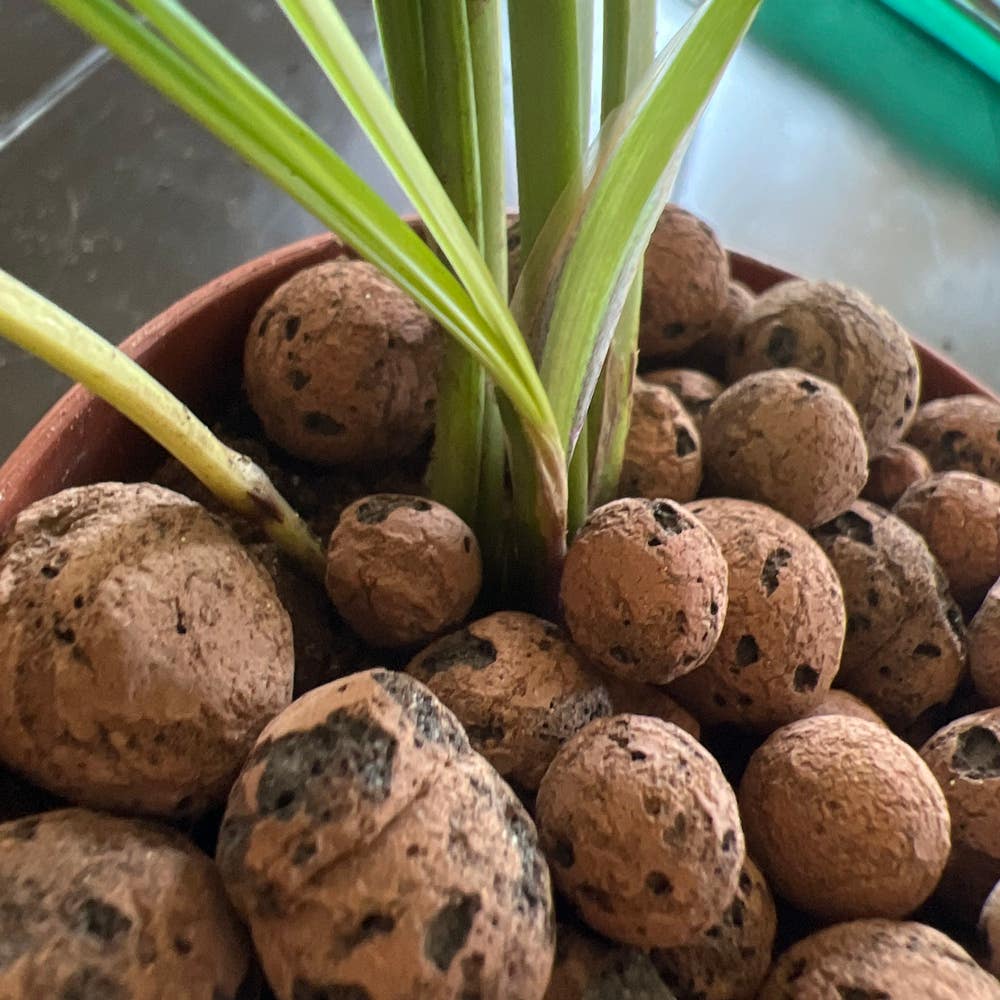
Serai Care: Preventing and Treating Root Rot
Cymbopogon citratus
By the Greg Editorial Team
Jul 21, 2024•3 min read
This article was created with the help of AI so we can cover more plants for you. May contain errors. See one? Report it here.
- 🌱 Early signs of root rot: Yellow leaves, slowed growth, damp soil.
- ✂️ Prune and repot with sterilized tools and well-draining soil.
- 💧 Prevent with proper watering and soil mix, ensuring drainage holes.
Identifying Root Rot
🕵️ Spotting Early Signs
Serai plants whisper their distress signals through subtle changes, and it's our job to listen closely. Here's what to watch for:
- Leaves that start to yellow or wilt, betraying a struggle beneath the soil.
- A slowdown in growth, as if the plant has hit an invisible brake.
- Soil that stays damp for too long, hinting at poor drainage conspiring against the roots.
🕵️ Confirming the Diagnosis
To confirm your suspicions of root rot, you'll need to adopt the role of a plant detective:
- Start by sniffing around the base of your Serai. A foul odor is the plant's cry for help.
- Gently remove the plant from its pot and examine the roots. Healthy Serai roots should be firm and white, not brown and mushy.
- If you spot any roots that resemble overcooked noodles, it's time to take action.
- In cases of uncertainty, consider consulting a professional or a diagnostic lab for a definitive verdict.
Treating Root Rot
🌿 Pruning Damaged Roots
Pruning is crucial in the battle against root rot. Here's how to do it safely:
- Gently remove your Serai from its pot to expose the root system.
- Using sterilized scissors or pruning shears, cut away all mushy, discolored roots.
- Dispose of the diseased roots properly to prevent the spread of infection.
🌱 Drying and Repotting
Once the damaged roots are pruned, it's time to dry and repot:
- Let the remaining healthy roots air out before repotting.
- Choose a new pot with adequate drainage holes and fill it with fresh, well-draining soil.
- Repot your Serai, but hold off on watering immediately to allow the roots to recover.
🍄 Applying Fungicides
Fungicides can be a lifeline for your Serai suffering from root rot:
- Select a fungicide specifically designed for treating root rot in plants.
- Apply according to the product's instructions, usually after pruning and repotting.
- Consider natural alternatives like chamomile tea or cinnamon powder, but use them cautiously and monitor your plant's response.
Preventing Future Issues
💧 Watering Techniques
Watering Serai isn't just routine; it's an art that balances the plant's needs with the risk of root rot. Here's how to keep your Serai's thirst quenched without drowning its roots:
- Allow the top inch of soil to dry before watering again. This prevents the roots from sitting in moisture for too long.
- Develop a watering schedule that adapts to the changing seasons and your Serai's growth cycle.
- Avoid shallow sprinkling that only wets the surface and leaves deeper roots thirsty.
🌱 Soil and Drainage
Choosing the right soil mix and ensuring proper drainage are like setting up a safety net for your Serai's roots. Here's what to keep in mind:
- Opt for a well-draining soil mix. Ingredients like perlite, sand, and coco coir can help strike the right balance between moisture retention and drainage.
- Ensure your pot has drainage holes. They're as crucial for your plant as a seatbelt is for a driver.
- Consider the pot size; too large, and the soil retains excess water, too small, and it dries out too quickly. Find the Goldilocks zone for your Serai.
⚠️ Safety First
This content is for general information and may contain errors, omissions, or outdated details. It is not medical, veterinary advice, or an endorsement of therapeutic claims.
Always consult a qualified healthcare professional before using any plant as food, medicine, or supplement.
Never eat any plant (or feed one to pets) without confirming its identity with at least two trusted sources.
If you suspect poisoning, call Poison Control (800) 222-1222, the Pet Poison Helpline (800) 213-6680, or your local emergency service immediately.
Spotted an error? Please report it here.
Prevent Serai root rot by monitoring 🌱 with Greg's tailored watering schedule and plant care alerts, ensuring your green friends stay healthy and thrive.