Ultimate Guide to Potting Lemon Grass 🍋
Cymbopogon citratus
By the Greg Editorial Team
Oct 04, 2024•7 min read
This article was created with the help of AI so we can cover more plants for you. May contain errors. See one? Report it here.
- 🌱 Start seedlings in 4-6 inch pots for strong root establishment.
- 🪴 Repot lemon grass in spring when roots emerge or leaves yellow.
- 🌿 Use clay pots for breathability; ensure proper drainage to prevent root rot.
Pot Sizes for Different Growth Stages
🌱 Recommended Sizes for Seedlings
Starting your lemon grass seeds in a container that is 4-6 inches in diameter is ideal. This small size encourages root establishment, giving your seedlings a strong foundation.
As your seedlings grow, they will need to be transitioned to larger pots. This gradual increase in pot size supports their development and prevents root crowding.
🌾 Size for Mature Lemon Grass
For mature lemon grass plants, a pot size of 12-16 inches in diameter is recommended. This size accommodates their clumping growth and height, which can reach 3-4 feet.
Allowing adequate space for root expansion is crucial for the health of your mature plants. A spacious pot ensures they have the room they need to thrive and flourish.
With the right pot sizes in place, your lemon grass will be set up for success as it grows. Next, let’s explore the ideal pot materials to enhance your planting experience.
Ideal Pot Materials
🌱 Clay vs. Plastic
When choosing pots for your lemon grass, the material can significantly impact growth. Clay pots are celebrated for their breathability and moisture regulation, making them ideal for plants that thrive in well-aerated soil.
However, they come with some downsides. Clay pots are heavier and can crack in freezing temperatures, which may not be ideal for all climates.
On the other hand, plastic pots are lightweight and less prone to breakage. They also retain moisture well, which can be beneficial during hot spells.
Yet, plastic pots have their drawbacks too. They are less breathable and can overheat in direct sunlight, potentially stressing your lemon grass.
⚖️ Material Comparison
Here's a quick comparison of clay and plastic pots:
| Feature | Clay Pots | Plastic Pots |
|---|---|---|
| Breathability | High | Low |
| Weight | Heavy | Lightweight |
| Moisture Retention | Moderate | High |
| Durability | Can crack | Durable, less prone to damage |
| Aesthetics | Natural look | Variety of styles available |
Choosing the right pot material is essential for your lemon grass's health. Consider your local climate and the specific needs of your plants when making your decision.
In the next section, we'll delve into the crucial topic of drainage considerations, ensuring your lemon grass thrives in its new home.
Drainage Considerations
Importance of Drainage Holes 🌧️
Drainage holes are crucial for preventing root rot in lemon grass. They allow excess water to escape, ensuring that the roots don’t sit in soggy soil.
For optimal water flow, aim for at least three to four drainage holes, each about half an inch in diameter. Without adequate drainage, your lemon grass can suffer from poor health, leading to yellowing leaves and stunted growth.
Ensuring Proper Drainage in Pots 🚰
Enhancing drainage in your pots is essential for healthy lemon grass. Start by using potting soil mixed with perlite or sand to improve aeration and moisture retention.
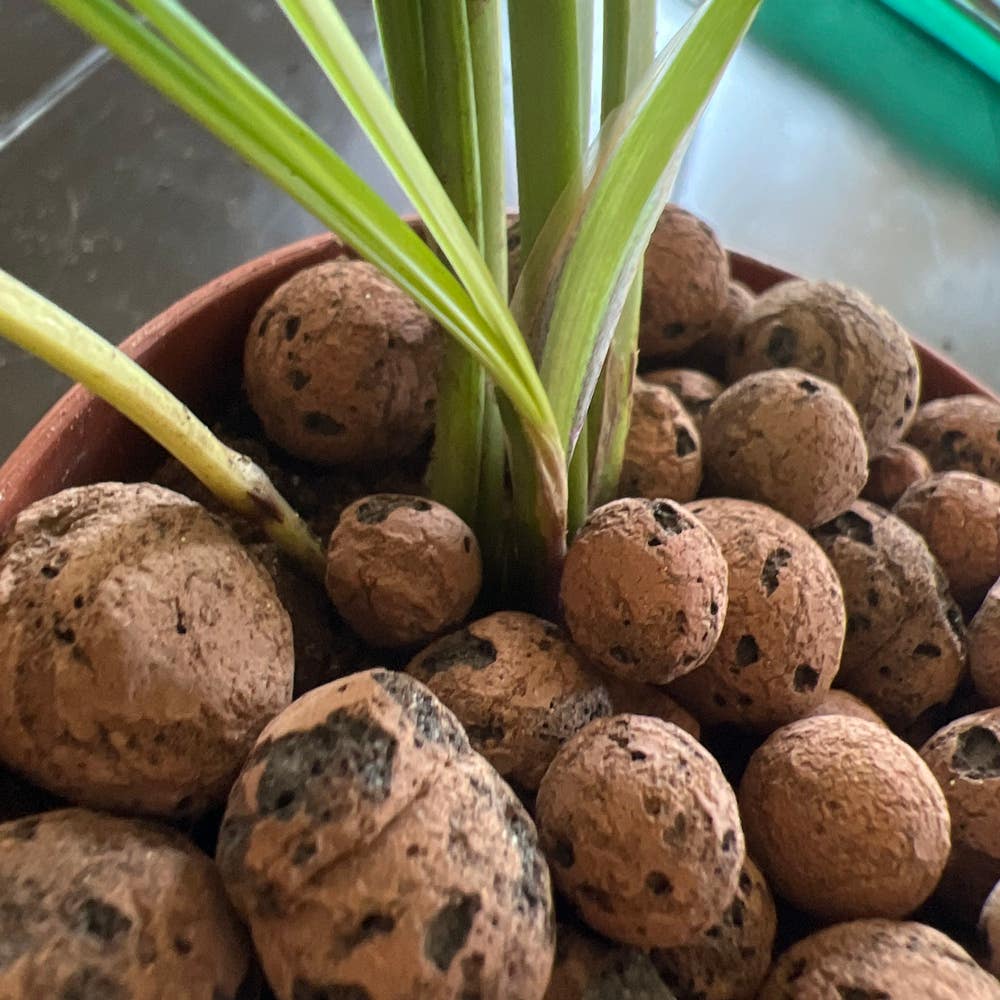
Another effective technique is layering gravel or small stones at the bottom of the pot. This creates a barrier that helps excess water flow out while keeping the soil in place.
Monitoring moisture levels is also key. Overwatering can be just as harmful as underwatering, so check the soil regularly to maintain the right balance.
With proper drainage, your lemon grass will thrive, setting the stage for vibrant growth and a bountiful harvest. Next, let’s explore the best practices for repotting your lemon grass to ensure it continues to flourish.
Repotting Lemon Grass
Signs That Repotting is Needed 🌱
Recognizing when to repot your lemon grass is crucial for its health. Look for roots emerging from the drainage holes; this is a clear sign of root-bound conditions.
Additionally, if you notice stunted growth or yellowing leaves, it’s time to consider repotting. Timing is also essential; monitor growth rates and seasonal changes to determine the best moment for this task.
Best Practices for Repotting 🌿
Repotting lemon grass doesn’t have to be daunting. Follow these simple steps for a successful transition:
- Choose the Right Size Pot: For mature plants, opt for a pot that is 12-16 inches in diameter.
- Prepare Fresh Potting Soil: Use soil that is suitable for lemon grass to ensure optimal growth.
- Carefully Remove the Plant: Gently take the plant out of its current pot, being cautious not to damage the roots.
- Place the Plant in the New Pot: Ensure the plant sits at the same soil level as before to avoid stress.
- Fill in with Potting Soil and Water Thoroughly: This helps settle the soil around the roots.
After repotting, allow your lemon grass to acclimate to its new environment. This adjustment period is vital for its recovery and continued growth.
With these practices, your lemon grass will thrive in its new home, ready to flourish and provide you with that delightful citrus aroma.
Seasonal Considerations for Potting
Best Time to Repot 🌱
Spring and early summer are the prime seasons for repotting lemon grass. This timing aligns perfectly with the plant's active growth phase, ensuring it can recover quickly and thrive.
Consider your local climate conditions when planning to repot. If you live in a region with harsh winters, aim to repot before the growing season kicks off to give your lemon grass a strong start.
Seasonal Growth Stages and Potting Needs 📈
Lemon grass goes through distinct growth stages, each requiring different potting strategies.
- Seedling Stage: Start with small pots to encourage initial growth and root establishment.
- Vegetative Stage: As the plant grows, transition to larger pots to accommodate its expanding roots.
- Mature Stage: Maintain larger pots to provide stability and support for the plant's height.
Adjust your potting practices based on seasonal changes and the growth patterns of your lemon grass. Keeping an eye on these stages will help you nurture a healthy and robust plant.
With these seasonal considerations in mind, you’ll be well-equipped to keep your lemon grass flourishing throughout the year. Next, let’s explore the ideal pot materials to enhance your potting experience.
⚠️ Safety First
This content is for general information and may contain errors, omissions, or outdated details. It is not medical, veterinary advice, or an endorsement of therapeutic claims.
Always consult a qualified healthcare professional before using any plant as food, medicine, or supplement.
Never eat any plant (or feed one to pets) without confirming its identity with at least two trusted sources.
If you suspect poisoning, call Poison Control (800) 222-1222, the Pet Poison Helpline (800) 213-6680, or your local emergency service immediately.
Spotted an error? Please report it here.
Cultivate thriving lemon grass 🌱 with Greg's tailored potting tips and reminders, ensuring your plant flourishes and fills your space with delightful aromas!