🍋 What Is The Best Way To Water a Lemon Grass?
Cymbopogon citratus
By the Greg Editorial Team
Jun 15, 2024•9 min read
This article was created with the help of AI so we can cover more plants for you. May contain errors. See one? Report it here.
- Adjust watering with seasons: More in summer, less in winter.
- Morning or late afternoon is best for watering lemon grass.
- Proper drainage and water quality are crucial for healthy plants.
Optimal Watering Frequency for Lemon Grass
Lemon grass, a staple in Asian cuisine and a favorite for its aromatic qualities, demands consistent hydration. Here's the lowdown on keeping it quenched without drowning it.
💧 Young Plants and Growth Stages
For seedlings or young lemon grass, water is the elixir of life. They need moist soil, so check daily—dry topsoil means grab the watering can. As they mature, ease up. They'll start to find their own way in the world, needing less hand-holding, or in this case, less frequent watering.
🌦️ Seasonal Adjustments
Let's talk seasons. In the summer heat, lemon grass is as thirsty as a marathon runner—water it once a week, or twice if the sun's really beating down. Come winter, it's more like a bear hibernating. Once a month should do the trick, just enough to prevent the soil from completely drying out.
🌡️ Temperature and Weather
Hot and humid is lemon grass's jam, so if you're in a cooler climate, you might need to water more often to compensate. Monitor closely; this plant won't send you a text when it's thirsty.
🏞️ Soil Type Matters
Got sandy soil? It's like a sieve, so water more often. Rich, loamy soil? It holds onto moisture like a treasure, meaning you can water less. Mulch can be a game-changer here, helping soil retain moisture and adding nutrients.
🌿 Container Grown Lemon Grass
If you're rocking the potted lemon grass life, drainage is key. Water might need to be a daily ritual, especially if the container's material encourages evaporation. And remember, when winter rolls around, cut back on water—think of it as your plant's off-season.
🍹 Pro Tip
The best time to water? Early morning or late afternoon. It's like happy hour for plants—conditions are just right for them to drink up without wasting a drop.

Assessing Soil Moisture for Lemon Grass
Lemon grass craves just the right sip of water—not too much, not too little. Here's how to hit that sweet spot.
👆 The Finger Test: A First-Hand Approach
Ditch the guesswork. Plunge your finger into the soil up to the second knuckle. If it feels dry, it's time to water. If it's damp, give it a break.
📏 Moisture Meters: The High-Tech Touch
For those who love gadgets, a moisture meter is your friend. It'll give you the lowdown on what's happening beneath the surface, without getting your hands dirty.
🏋️♂️ Weight Checks: Hefting for Hydration
Lift the pot. Feels lighter than usual? Your plant's thirsty. If it's got some heft, hold off on the H2O.
🛠️ Trowel & Dowel: The Old-School Method
No moisture meter? No problem. A garden trowel or wooden dowel can double as a DIY moisture gauge. If it comes up dry, water away.
🕵️ Probing the Depths
Don't just scratch the surface. Check moisture depths to ensure the bottom roots aren't drowning in excess water or gasping for a drink.
🌱 Mulch Magic
A layer of organic mulch isn't just for looks. It helps retain moisture and keeps your lemon grass's thirst quenched longer.
💦 The Soak and Dry Method
Water deeply, then let the soil dry out before the next watering. This method encourages strong root growth and prevents overwatering.
📅 Daily Dose of Reality
Forget the watering schedule. Your lemon grass doesn't care what day it is. Check the soil daily to gauge its needs.
Remember, lemon grass isn't just another plant—it's a living, breathing entity that depends on your touch, your attention, and your ability to read its silent signals. Keep it balanced, and it'll reward you with vigorous growth and that zesty lemon flavor we all crave.

Effective Watering Methods for Lemon Grass
Lemon grass, craving that tropical vibe, demands a watering routine that mimics its native humid conditions. Water at the base of the plant to avoid leaf diseases and ensure the roots get their share.
💦 Watering Technique
Direct your aim at the soil around the lemon grass, not the foliage. Use a watering can or hose with a gentle flow to avoid soil erosion. The goal is to quench the plant's thirst without making it swim.
💨 Humidity Control
Lemon grass doesn't just drink; it inhales moisture. In dry conditions, mist the leaves to up the humidity ante. But don't overdo it – you're aiming for a dewy glow, not a wet weekend.
🌱 Mulching: A Moisture Manager
A layer of organic mulch is like a moisture butler for your lemon grass, maintaining soil dampness and adding nutrients. Think of it as a two-for-one deal on the watering front.
💧 Watering Wisdom
Remember, lemon grass is not a camel; it can't store water for drought days. Consistent watering is key, especially during hot spells. But don't turn your garden into a swamp – lemon grass despises soggy feet.
🏡 Indoor vs. Outdoor
Indoor lemon grass can suffer from the Sahara-like conditions of winter heating. Keep it away from vents and consider a pebble tray with water to introduce a bit of the tropics to your home.
🌿 The Bottom Line
Bottom watering can be a game-changer, especially for potted lemon grass. It encourages roots to grow downward, making for a sturdier plant. Just ensure the pot has good drainage to avoid a root rot horror story.

Recognizing and Addressing Watering Issues
In the realm of lemon grass care, watering missteps are common yet addressable. Here's how to spot and fix them.
💧 Signs of Overwatering
Overwatering lemon grass can lead to a soggy existence for your plant. If the soil feels perpetually wet and the plant looks more pale than a ghost, you're likely overdoing it. Leaves may turn a sickly yellow or develop brown, mushy tips as they beg for a break from the waterworks.
🚰 Correcting Overwatering
To rescue your waterlogged lemon grass, cut back on your watering schedule immediately. Ensure your pot has drainage holes fit for a colander, and consider switching to a lighter soil mix that won't hold onto moisture like a sponge.
💦 Signs of Underwatering
Underwatering, on the other hand, leaves the soil dry and the plant looking as wilted as a forgotten salad. Leaves may yellow, brown, or curl up in protest, and the soil will feel lighter than your conscience on a good day.
🌊 Correcting Underwatering
When your lemon grass cries out for hydration, give it a thorough drenching. If the soil dries out faster than your phone battery, it might be time to repot with a moisture-retentive mix or adjust your watering frequency to match the plant's thirst.
🐜 Monitoring Pests
Keep an eye out for pests, as these critters can be a telltale sign of watering woes. Different pests flourish in different moisture conditions, so if you see an uptick in unwanted guests, it might be time to reassess your watering habits.
Remember, lemon grass doesn't follow a calendar; check the soil's moisture before each watering to ensure you're meeting the plant's needs, not just ticking off a to-do list. By staying vigilant and responsive, you can keep your lemon grass from drowning or parching, and instead, let it bask in the right amount of hydration.
Importance of Water Quality and Temperature
When it comes to water quality, lemon grass isn't a fan of the high life—specifically, high levels of sodium or chlorine. Tap water can be a silent saboteur, with its sneaky salts building up over time and wreaking havoc on your plant's health. If you're serious about your lemon grass, consider using filtered or rainwater to avoid the slow accumulation of unwanted chemicals.
💧 Water Temperature Matters
Let's talk temperature. Lemon grass is chill, but not too chill. It likes its water like it likes its weather: room temperature. Icy cold water can shock the roots, and hot water is just asking for trouble. So, keep it Goldilocks-style—not too hot, not too cold.
Quick Soil Tip
While we're at it, remember that lemon grass prefers a pH between 6.0 and 7.0. If you're getting nerdy about it, a simple test kit can help you stay in the sweet spot.
🌬️ Humidity and Lemon Grass
Lemon grass loves a bit of a humidity hug. If your air is drier than a stand-up comedian's wit, consider upping the ambient moisture. No need for a tropical greenhouse, but a little extra humidity can go a long way.
A Final Splash
Remember, the right water quality and temperature can make or break your lemon grass game. Keep it clean, keep it tepid, and watch your green buddy thrive.
Container and Drainage Essentials
💧 Choosing the Right Potting Mix
Well-draining potting mix is non-negotiable for lemongrass. Skip the guesswork; go for a mix with perlite, peat moss, or coco coir. These ingredients ensure moisture management that's just shy of a tightrope walker's balance—retaining enough water to quench roots but not enough to drown them.
🌿 Selecting Containers
Terracotta or unglazed ceramic pots aren't just for show; they're the unsung heroes of humidity control. Their porous nature wicks away excess moisture, much like a discreetly placed napkin at a dinner party. Ensure your pot has drainage holes; without them, you're basically giving your lemongrass a one-way ticket to Root Rot City.
🚰 Drainage: The Deal-Breaker
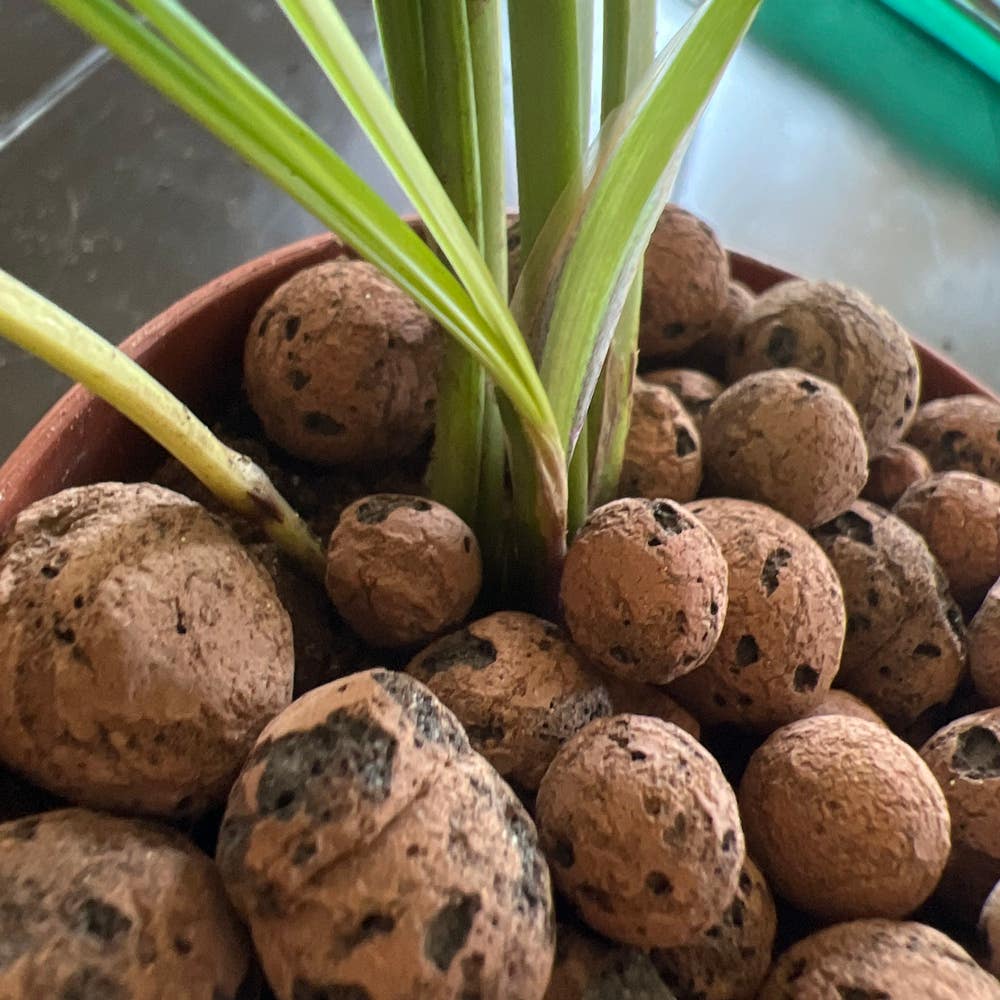
Let's talk drainage—it's the bouncer at the club, keeping excess water from partying too hard around your plant's roots. Add a layer of pea gravel or lava rock at the bottom of the pot to boost drainage and stability, like a good pair of insoles.
🌱 Pot Size Matters
Size up, but not too much. Choose a pot 1-2 inches larger in diameter than the current one to give roots room to groove without turning the soil into a soggy mess. It's like choosing the right size of jeans—too tight, and you're uncomfortable; too loose, and you look sloppy.
💦 Watering Wisdom
When you water, do it like you mean it—until it runs out of the drainage holes. But don't let your lemongrass sit in a puddle. Empty excess water from saucers to avoid the dreaded wet feet syndrome. It's the plant equivalent of walking around in soaked socks—unpleasant and a health hazard.
⚠️ Safety First
This content is for general information and may contain errors, omissions, or outdated details. It is not medical, veterinary advice, or an endorsement of therapeutic claims.
Always consult a qualified healthcare professional before using any plant as food, medicine, or supplement.
Never eat any plant (or feed one to pets) without confirming its identity with at least two trusted sources.
If you suspect poisoning, call Poison Control (800) 222-1222, the Pet Poison Helpline (800) 213-6680, or your local emergency service immediately.
Spotted an error? Please report it here.
Effortlessly hydrate your lemon grass 🌦 with Greg's custom watering reminders that adjust to your plant's needs and the rhythms of nature.