🍋 Best Size and Type of Pot for Lemongrass
Cymbopogon citratus
By the Greg Editorial Team
Jul 22, 2024•4 min read
This article was created with the help of AI so we can cover more plants for you. May contain errors. See one? Report it here.
- 🌱 Start seedlings in 4-6 inch pots for healthy root growth.
- 📏 Upsize to 12-inch pot when mature for root expansion.
- 💧 Ensure pot has drainage holes to prevent root rot.
Pot Size Essentials
🌱 Seedling Stage Requirements
Starting lemongrass seedlings off right is crucial for their future growth. For these young plants, a container size of 4 to 6 inches in diameter is typically sufficient. This size accommodates the initial root system while preventing the soil from drying unevenly, which can be detrimental to delicate seedlings.
- Why this size? It strikes a balance between providing enough space for early growth and maintaining adequate soil moisture.
🌿 Mature Plant Considerations
As lemongrass matures, its root system expands and requires more space. A pot that is 12 inches in diameter is ideal for a fully grown plant. This allows the lemongrass to "spread its wings," so to speak, and ensures that the roots have ample room to grow without becoming cramped.
- How to choose? Observe the growth of your lemongrass and upsize the pot before the roots become too constricted.
📏 Signs for Upsizing
Knowing when to move your lemongrass to a larger pot is key to maintaining its health. Look for signs such as roots peeking out of drainage holes or a plant that dries out too quickly after watering, indicating it's time for a bigger home.
- Choosing the next size: Opt for a container that is 1-2 inches wider in diameter than the current one, providing new room for growth without excess soil that can lead to moisture issues.
Pot Material Matters
When choosing a pot for your Lemongrass, the material can significantly influence the plant's health and growth.
Clay vs. Plastic
Clay Pots:
- Promote air flow and moisture management, reducing the risk of overwatering.
- Are heavier and more stable, less likely to tip over.
- Can dry out more quickly, requiring more frequent watering.
- May crack in cold climates due to their porous nature.
Plastic Pots:
- Retain moisture longer, which can decrease the frequency of watering.
- Are lightweight and come in a variety of designs.
- Risk holding too much water without proper drainage, leading to root rot.
- Can become brittle over time, especially when exposed to sunlight.
Alternative Materials
Ceramic Pots:
- Offer a decorative touch with glazing that reduces porosity.
- Hold moisture longer than unglazed clay, which can be beneficial or harmful depending on watering habits.
Other Materials:
- Wood adds a natural aesthetic but may decay over time.
- Metal pots can overheat the soil, potentially stressing the Lemongrass.
- Fiberglass pots are durable and lightweight, mimicking the appearance of heavier materials without the weight.
Drainage Imperatives
🕳️ Role of Drainage Holes
Drainage holes are the unsung heroes in the cultivation of healthy lemongrass. They prevent water from pooling at the bottom of the pot, which can lead to root rot and other moisture-related diseases.
🌊 Optimizing Drainage
To ensure your lemongrass thrives, consider the following tips for optimal drainage:
- Choose a pot with multiple drainage holes to facilitate water flow.
- Regularly check and clear the holes to prevent clogging from soil or debris.
- Elevate the pot or use a saucer with space to avoid water reabsorption.
- Incorporate a layer of gravel or broken pottery at the bottom of the pot to enhance drainage.
- Use a well-draining soil mix, adding perlite or coarse sand to improve texture and aeration.
Repotting Insights
🌱 Timing Repotting Right
Repotting Lemongrass is less about sticking to a strict schedule and more about observing your plant's cues. Here's when to consider giving your Lemongrass a new home:
- When roots start peeking out of drainage holes, signaling they're cramped.
- If water zips through the pot too quickly, indicating the soil is overused.
- When growth seems to hit a plateau, suggesting the current pot limits expansion.
🏺 Selecting a New Pot
Choosing a new container for your Lemongrass involves more than just upsizing. Keep these criteria in mind:
- Aim for a pot that's about 20 cm (8 inches) in diameter and depth to accommodate growth.
- Ensure the pot has ample drainage holes to prevent waterlogging.
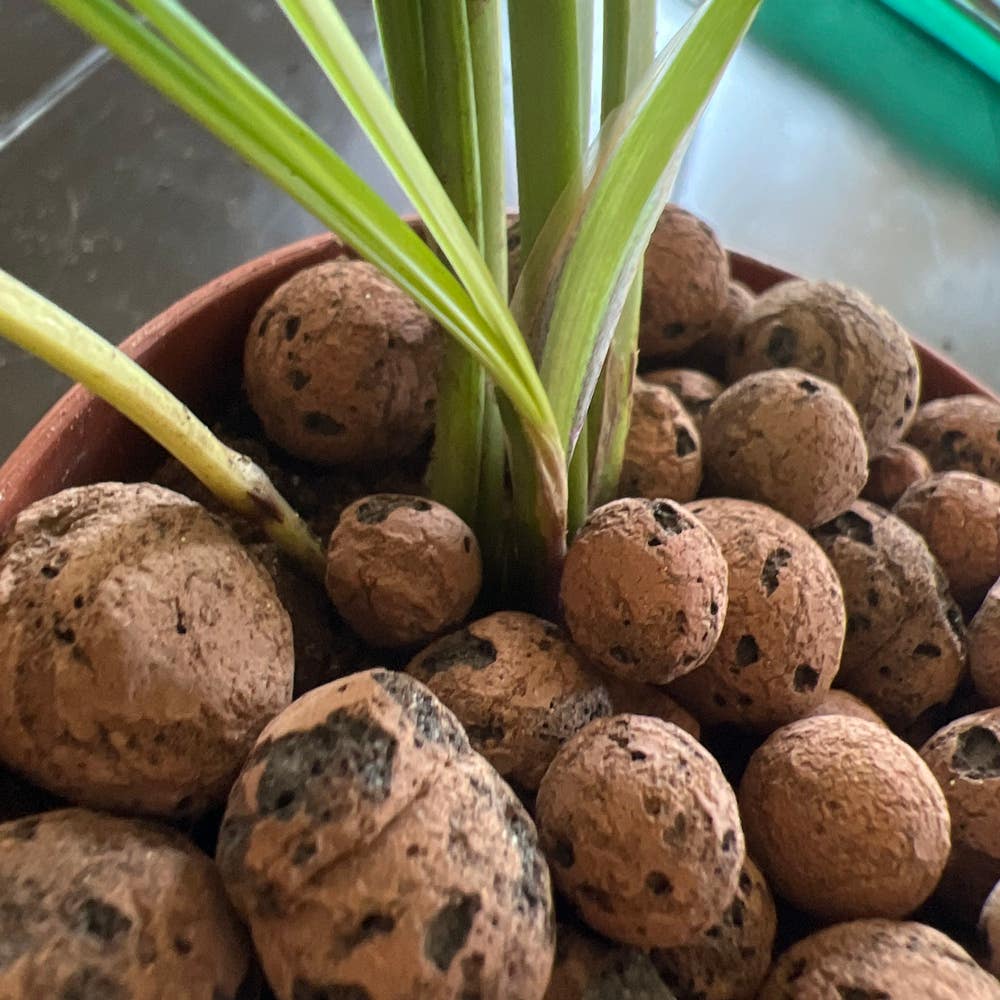
- Consider the weight and insulation properties of pot materials; clay pots offer breathability and stability, while plastic is lightweight and retains moisture well.
⚠️ Safety First
This content is for general information and may contain errors, omissions, or outdated details. It is not medical, veterinary advice, or an endorsement of therapeutic claims.
Always consult a qualified healthcare professional before using any plant as food, medicine, or supplement.
Never eat any plant (or feed one to pets) without confirming its identity with at least two trusted sources.
If you suspect poisoning, call Poison Control (800) 222-1222, the Pet Poison Helpline (800) 213-6680, or your local emergency service immediately.
Spotted an error? Please report it here.
With Greg's timely reminders, you'll never miss the perfect moment to repot 🌿 your lemongrass into its ideal home, ensuring healthy growth and happy roots.