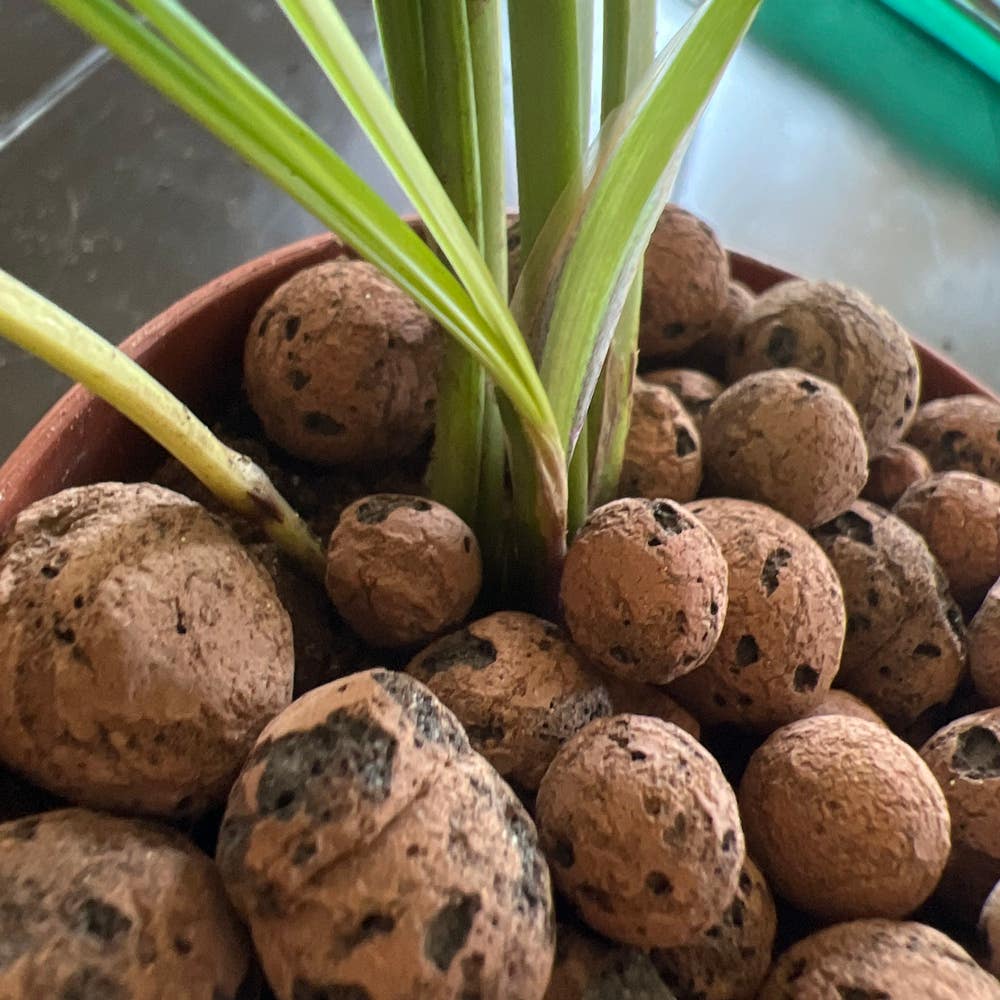
🍋 When to Water Your Lemongrass
Cymbopogon citratus
By the Greg Editorial Team
Jul 22, 2024•4 min read
This article was created with the help of AI so we can cover more plants for you. May contain errors. See one? Report it here.
- 🌱 Lemongrass thirst cues: Wilted leaves and color changes signal watering time.
- 🌡️🌞 Adjust water with seasons: More in summer, less in winter.
- 💧🔍 Measure moisture accurately: Use finger test, moisture meters, or Greg app.
Watering Frequency Guidelines
Recognizing Plant Needs
Lemongrass communicates its hydration needs through subtle cues. Keep an eye out for:
- Leaves that lose their firmness and appear wilted.
- A change in leaf color, indicating distress.
🌿 Environmental Considerations
Several factors influence how often you should water your Lemongrass:
- Temperature: Warmer conditions may increase the need for water.
- Light Exposure: Plants in brighter light may require more frequent watering.
- Indoor vs. Outdoor: Indoor plants generally need less water than their outdoor counterparts due to reduced evaporation.
🌺 Seasonal Adjustments
Like us, Lemongrass has seasonal needs:
- Summer: Expect to water more often due to higher temperatures and growth rates.
- Winter: Scale back watering as growth slows and the plant conserves moisture.
- Plant Life Stages: Young plants need consistent moisture to establish roots, while mature plants are more drought-tolerant.
Avoiding Watering Pitfalls
💧 Over-Watering Hazards
Lemongrass loves moisture, but too much can spell trouble. Here's how to spot the excess:
- Leaves turning a pale yellow or developing brown, mushy tips.
- Soil that feels more like a swamp than a garden bed.
To get back on track:
- Reduce watering and wait until the top inch of soil dries out.
- Ensure pots have proper drainage and consider a lighter soil mix for better aeration.
🏜️ Under-Watering Risks
On the flip side, under-watering can leave Lemongrass high and dry. Keep an eye out for:
- Wilting or brittle leaves that signal an SOS for hydration.
- Soil that's dry as a bone, even a few inches down.
To quench your plant's thirst:
- Water deeply but infrequently, allowing the top layer of soil to dry between sessions.
- Establish a consistent watering routine, adjusting for environmental factors and seasonal changes.
Measuring Soil Moisture
The Finger Test 🖐️
Diving right into the soil with your finger is a timeless method for checking moisture. Here's how to do it effectively:
- Insert your finger about an inch deep into the soil near your Lemongrass.
- If the soil feels dry, it's time to water; if it's damp, give it a little more time.
Using Moisture Meters 💧
For those who love precision, a moisture meter is your go-to tool. It's straightforward:
- Insert the meter's probe into the soil.
- Read the moisture level indicated, and water accordingly.
Remember, different soil types can affect readings, so it's wise to familiarize yourself with your soil's characteristics.
Greg App Integration 📱
Keep your Lemongrass's thirst quenched with smart technology. The Greg app can be a game-changer:
- It monitors soil moisture levels for you.
- It schedules watering based on your plant's needs.
By integrating the app into your plant care routine, you can ensure your Lemongrass stays perfectly hydrated.
Watering Techniques Explained
Bottom-Watering Benefits 🌊
Bottom-watering is a smart choice for Lemongrass, offering several advantages:
- Encourages roots to grow deeper, creating a stronger plant.
- Ensures even moisture distribution, avoiding dry spots in the soil.
- Minimizes the risk of leaf diseases by keeping foliage dry.
To bottom-water your Lemongrass, follow these steps:
- Place your pot in a tray or sink filled with a few inches of water.
- Allow the plant to soak up water through the drainage holes for about 30 minutes to an hour.
- Remove the pot and let it drain thoroughly to prevent root rot.
Remember, good drainage is key—never let your Lemongrass sit in water.
Self-Watering Systems 💧
Self-watering pots can simplify Lemongrass care by providing consistent moisture. Here's how they work:
- A reservoir allows the plant to draw water as needed through capillary action.
- The top layer of soil stays dry, reducing the risk of pests and diseases.
Setting up a self-watering system involves:
- Filling the reservoir according to the manufacturer's instructions.
- Planting your Lemongrass in the pot with a well-draining soil mix.
- Checking the reservoir periodically and refilling as needed.
These systems are especially useful for busy gardeners or those prone to under-watering.
⚠️ Safety First
This content is for general information and may contain errors, omissions, or outdated details. It is not medical, veterinary advice, or an endorsement of therapeutic claims.
Always consult a qualified healthcare professional before using any plant as food, medicine, or supplement.
Never eat any plant (or feed one to pets) without confirming its identity with at least two trusted sources.
If you suspect poisoning, call Poison Control (800) 222-1222, the Pet Poison Helpline (800) 213-6680, or your local emergency service immediately.
Spotted an error? Please report it here.
Ensure your lemongrass is perfectly hydrated 💧 year-round with Greg, avoiding over- or under-watering by tailoring reminders to your plant's needs and your environment.