🍋 Top 4 Tips for Choosing Soil for Your Lemongrass
Cymbopogon citratus
By the Greg Editorial Team
Jul 22, 2024•4 min read
This article was created with the help of AI so we can cover more plants for you. May contain errors. See one? Report it here.
- 🌱 Lemongrass loves well-drained, nitrogen-rich soil; sandy loam is ideal.
- 📏 Soil pH matters: Aim for 6.0-7.0 for healthy lemongrass.
- 🧪 Craft your mix: Combine potting soil, sand, compost, and worm castings.
Lemongrass Soil Preferences
Lemongrass thrives in soil that strikes a delicate balance between moisture retention and drainage. Here's what you need to know to get it just right:
- Lemongrass prefers a nitrogen-rich, sandy loam that allows for quick drainage and prevents waterlogging, which can lead to root rot.
- The soil should be loose enough to promote aeration, giving the roots the oxygen they need to grow strong and healthy.
🌿 The Importance of Drainage and Aeration
Ensuring your lemongrass has the right soil environment is non-negotiable for its well-being:
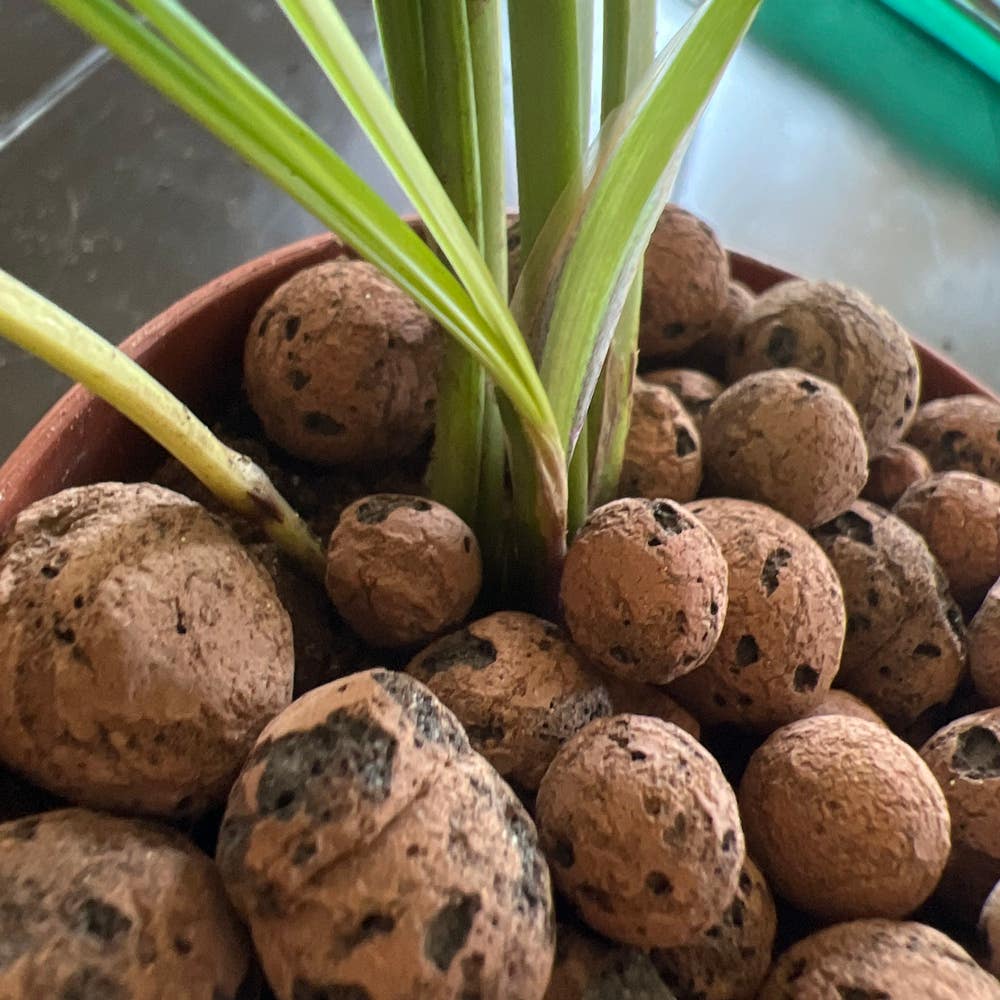
- A well-draining soil mix is essential. Consider incorporating materials like perlite, coarse sand, or small amounts of organic compost to improve soil structure.
- Regularly check for compacted soil, which can suffocate roots and hinder growth. Fluff and aerate the soil as needed to maintain its lightness.
Spotting and Fixing Unhealthy Soil
Lemongrass thrives in well-draining, loamy soil, but what if your soil isn't up to par? Let's tackle the signs of distress and get your soil back in shape.
🌱 Identifying Signs of Poor Soil Health for Lemongrass
- Yellowing leaves may indicate a lack of nutrients or poor drainage.
- Stunted growth or wilting can be a cry for help from compacted, lifeless soil.
- Mold or a musty smell suggests overwatering and inadequate air circulation.
- Root rot, evidenced by blackened roots, is a serious alarm bell for waterlogged conditions.
🛠️ Remedying Common Soil Issues for Lemongrass
- For compacted soil, mix in organic matter like compost to improve structure and nutrient content.
- If drainage is poor, consider adding perlite or sand to increase aeration and water flow.
- To combat mold, reduce watering frequency and ensure your pot has adequate drainage holes.
- In the case of root rot, remove affected parts, and replant in fresh, healthy soil mix.
Remember, proactive care and regular soil checks are your best defense against these common issues. Keep your lemongrass happy with soil that's as vibrant and lively as the plant itself.
Soil pH and Lemongrass
Lemongrass thrives in a specific pH range, which is vital for its ability to soak up nutrients.
The sweet spot for lemongrass soil pH is between 6.0 and 7.0, slightly acidic to neutral.
- If your soil is too acidic (below 6.0), adding garden lime can help raise the pH.
- For soil that's too alkaline (above 7.0), incorporating sulfur can lower the pH to a more lemongrass-friendly level.
Testing your soil's pH is like checking the temperature before heading out—it guides you on how to prepare.
- Use a pH meter or a test kit from your local garden store for a quick and easy check.
- Regular monitoring is key, as pH can shift with rainfall, irrigation, and fertilizer application.
Adjusting soil pH is not an overnight fix—it's a gradual process.
- Make small amendments and retest the pH after a few weeks to avoid shocking your lemongrass with sudden changes.
- Organic matter, like compost, can also help buffer soil pH and improve overall soil health.
Crafting the Perfect Lemongrass Mix
Lemongrass thrives in well-draining, nutrient-rich soil. To create an ideal environment, you'll need a blend that retains moisture without becoming waterlogged and is rich in organic matter. Here are the essential components for a lemongrass-friendly soil mix:
- High-quality potting soil: This will be your base, providing structure and basic nutrients.
- Coarse sand or perlite: These elements ensure good drainage, preventing root rot.
- Compost or well-rotted manure: These add nutrients and beneficial microorganisms to the soil.
- Worm castings: An excellent source of nutrients, they also improve soil structure.
Now, let's mix it up:
- Start with 4 parts of high-quality potting soil as your base.
- Add 2 parts of coarse sand or perlite to ensure good drainage.
- Mix in 1 part compost or well-rotted manure for fertility.
- Sprinkle in 1/2 part worm castings for an extra nutrient boost.
Thoroughly combine all ingredients in a clean container or wheelbarrow. Ensure the mix is uniform, with no clumps of any one material. Your lemongrass will love this blend, and you'll enjoy the lush growth that comes from your homemade soil mix.
⚠️ Safety First
This content is for general information and may contain errors, omissions, or outdated details. It is not medical, veterinary advice, or an endorsement of therapeutic claims.
Always consult a qualified healthcare professional before using any plant as food, medicine, or supplement.
Never eat any plant (or feed one to pets) without confirming its identity with at least two trusted sources.
If you suspect poisoning, call Poison Control (800) 222-1222, the Pet Poison Helpline (800) 213-6680, or your local emergency service immediately.
Spotted an error? Please report it here.
Ensure your lemongrass flourishes by crafting the ideal soil mix, and rely on Greg to monitor 🌿 your soil's health, ensuring your herbs are always in their prime growing conditions.