3 Factors Influencing Lemon Grass Growth 🍋
Cymbopogon citratus
By the Greg Editorial Team
Oct 04, 2024•5 min read
This article was created with the help of AI so we can cover more plants for you. May contain errors. See one? Report it here.
- 🌱 Lemongrass germination takes 7-14 days, influenced by temperature, moisture, and seed quality.
- ☀️ Optimal growth requires 70°F to 85°F and well-drained, nutrient-rich soil.
- 💧 Consistent moisture is key; avoid overwatering to prevent root rot.
Germination Stage
🌱 Duration of Germination
The typical germination period for lemongrass ranges from 7 to 14 days. This timeframe can vary based on several factors, including temperature, moisture levels, and the quality of the seeds.
🌡️ Conditions for Successful Germination
To ensure successful germination, aim for an optimal temperature range of 70°F to 85°F (21°C to 29°C).
Soil Requirements
Lemongrass thrives in well-drained, nutrient-rich soil. This foundation is crucial for healthy growth.
Moisture Levels
Maintaining consistent moisture is essential, but be cautious of waterlogging, which can hinder germination.
Light Exposure
Provide indirect sunlight to prevent overheating, as direct sunlight can be too harsh for young seeds.
By understanding these key factors, you can set the stage for robust lemongrass growth. Next, we’ll explore the characteristics of seedlings and how to care for them during their early development.
Seedling Stage
🌱 Characteristics of Seedlings
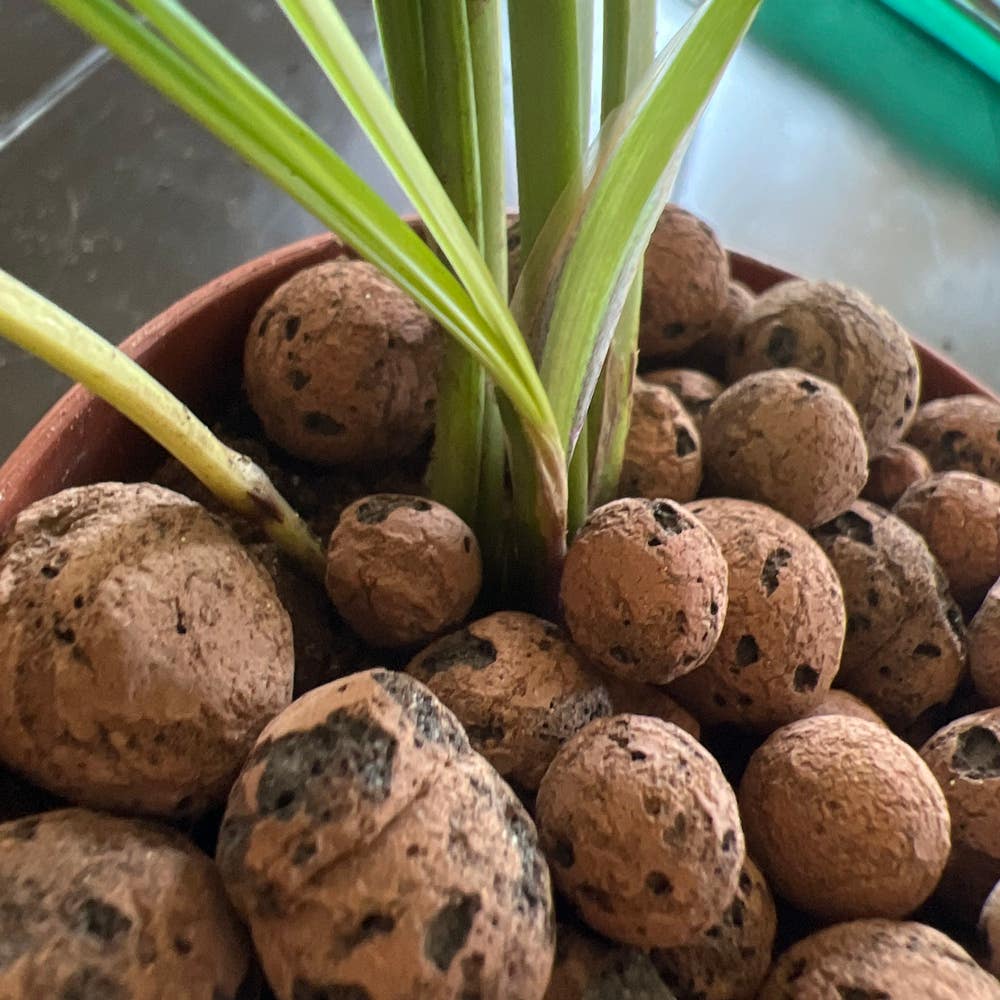
Lemon grass seedlings are a sight to behold. They emerge as small, green shoots with narrow leaves, typically standing between 2 to 6 inches tall.
Root development is crucial during this stage. A strong root system establishes the foundation for healthy growth, ensuring the plant can absorb nutrients and water effectively.
⏳ Duration and Care During This Stage
The seedling stage lasts about 4 to 6 weeks. During this time, care is essential for nurturing the young plants.
Ensure they receive adequate light and moisture without waterlogging. This balance will help them thrive and prepare for the next stage of growth.
As seedlings mature, they set the stage for the vegetative growth phase, where the real magic begins.
Vegetative Growth Stage
🌱 Description of Vegetative Growth
During the vegetative growth stage, lemon grass experiences rapid leaf development. This phase is characterized by a clumping habit, where multiple shoots emerge closely together.
The leaves are long, slender, and aromatic, contributing to the plant's distinctive fragrance. This lush growth not only enhances the plant's appearance but also its culinary appeal.
⏳ Duration and Environmental Needs
The vegetative growth stage typically lasts between 3 to 6 months, depending on various environmental conditions.
To thrive during this period, lemon grass requires warm temperatures, ample sunlight, and well-drained soil. Consistent moisture is crucial, but be cautious of overwatering, which can hinder growth.
As the plant flourishes, it sets the stage for the next phases of its life cycle, leading towards flowering and seed production. Understanding these needs ensures a healthy, vibrant lemon grass plant ready for harvest.
Flowering Stage
Description of Flowering 🌼
Lemon grass produces small, inconspicuous flowers that bloom on tall stalks. These delicate flowers may not catch your eye, but they play a crucial role in the plant's lifecycle.
Pollination is primarily wind-driven, which means that the flowers rely on breezes to facilitate the transfer of pollen. This natural process is essential for the development of seeds.
Duration and Conditions for Flowering ⏳
The flowering stage lasts about 2-4 weeks, typically occurring in late summer to early fall. During this time, the plant requires specific conditions to thrive.
Optimal conditions include warm temperatures and adequate moisture. Ensuring these factors can lead to a successful flowering period, ultimately setting the stage for seed production.
As we transition to the next stage, understanding the flowering process helps appreciate the intricate lifecycle of lemon grass.
Seed Production
Process of Seed Production 🌼
Successful seed production in lemon grass hinges on effective pollination. This process is crucial, as it directly influences the development of seeds.
Once pollination occurs, seeds begin to form in the flower heads. This stage is vital for ensuring a healthy yield of seeds for future planting.
Duration and Viability of Seeds ⏳
After flowering, it typically takes about 4-6 weeks for the seeds to mature. This timeframe is essential for ensuring that the seeds are robust and ready for planting.
In terms of longevity, lemon grass seeds can remain viable for 1-2 years if stored properly. This means you can plan ahead and store seeds for future growing seasons without worry.
Understanding these aspects of seed production not only enhances your gardening skills but also prepares you for the next stages of lemon grass cultivation. Now, let’s explore how long it takes for lemon grass to reach full maturity.
Growth Rate and Maturation
How Long Until Lemon Grass is Fully Grown? 🌱
Lemon grass typically takes about 6 to 12 months to reach maturity, depending on various growing conditions. This timeframe allows the plant to develop its characteristic flavor and aroma.
Factors Influencing Growth Rate 🌡️
Several environmental factors play a crucial role in the growth rate of lemon grass. Key elements include temperature, sunlight, and soil quality.
- Temperature: Warmer conditions generally promote faster growth.
- Sunlight: Adequate sunlight is essential for robust development.
- Soil Quality: Nutrient-rich, well-drained soil supports healthy growth.
Watering practices also significantly impact growth. Consistent moisture is vital, but overwatering can lead to root rot and stunted growth.
Average Maturation Time for Lemon Grass ⏳
For optimal harvesting, lemon grass usually matures in about 6 to 12 months. This period allows the plant to develop its full flavor profile.
Notable Changes Throughout Life Cycle 🔄
Lemon grass undergoes several notable changes as it matures:
- Germination: Seeds transition into seedlings.
- Seedling Stage: A robust root system and initial leaf growth develop.
- Vegetative Stage: Rapid growth occurs, with leaves clumping together.
- Flowering Stage: Flower stalks emerge, leading to seed production.
Changes in Nutrient Requirements 🍽️
Nutrient needs evolve throughout the life cycle of lemon grass:
- Germination: Minimal nutrients are required.
- Seedling Stage: Moderate nutrients support healthy growth.
- Vegetative Stage: Increased nutrient uptake is necessary for leaf development.
- Flowering Stage: Nutrient needs shift to support reproductive processes.
Environmental Adaptations Over Time 🌍
Lemon grass demonstrates remarkable adaptability to its local climate. It adjusts its growth patterns based on temperature and moisture levels.
Additionally, the plant shows resilience, allowing it to withstand short periods of drought or excessive rainfall. This adaptability is crucial for thriving in diverse environments.
As we explore the next stage of lemon grass growth, we’ll delve into the flowering process and its significance in the plant's life cycle.
⚠️ Safety First
This content is for general information and may contain errors, omissions, or outdated details. It is not medical, veterinary advice, or an endorsement of therapeutic claims.
Always consult a qualified healthcare professional before using any plant as food, medicine, or supplement.
Never eat any plant (or feed one to pets) without confirming its identity with at least two trusted sources.
If you suspect poisoning, call Poison Control (800) 222-1222, the Pet Poison Helpline (800) 213-6680, or your local emergency service immediately.
Spotted an error? Please report it here.
Grow thriving lemongrass 🌿 by using Greg's tailored care reminders to master temperature, moisture, and soil quality for optimal results!