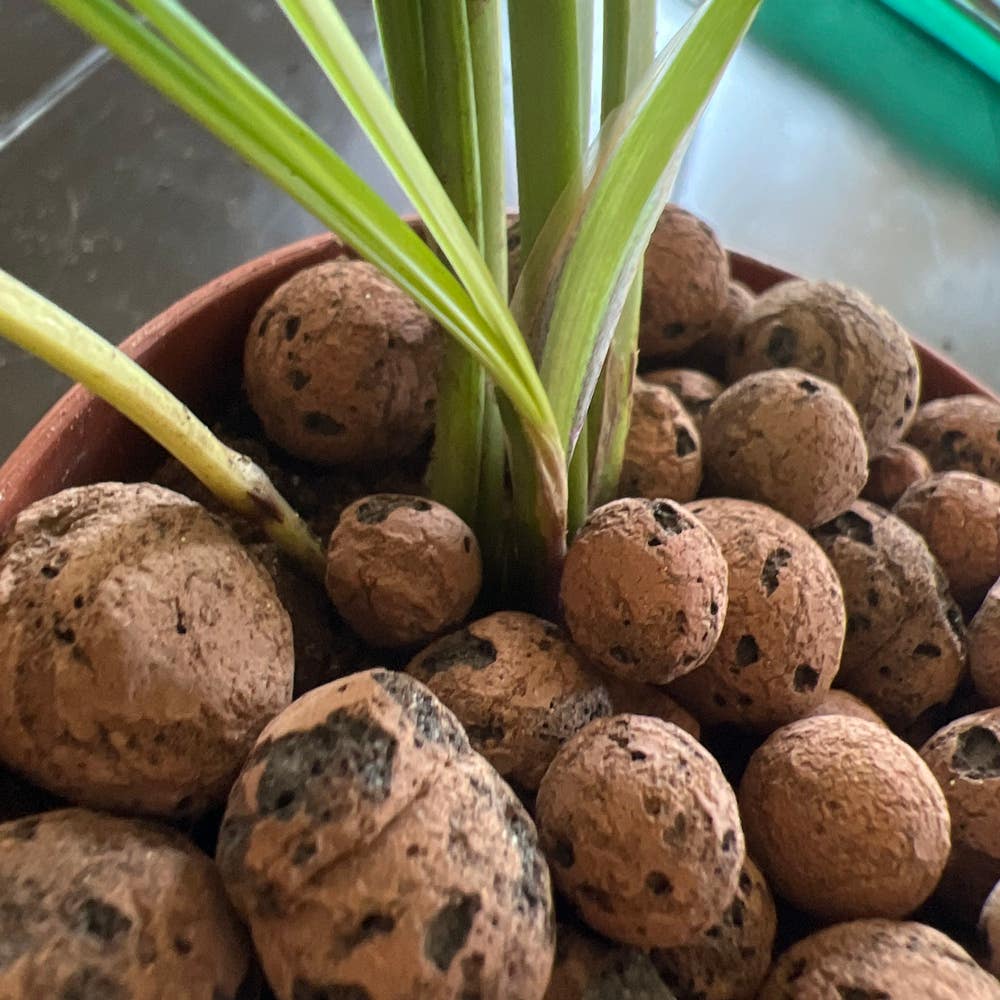
Step-by-Step Guide to Potting Serai
Cymbopogon citratus
By the Greg Editorial Team
Jul 22, 2024•4 min read
This article was created with the help of AI so we can cover more plants for you. May contain errors. See one? Report it here.
- 🌱 Right pot size and material are key for healthy Serai.
- 💧 Essential drainage prevents root rot; check water flow.
- 🔄 Repot when root-bound, ideally in spring, for Serai's best growth.
Selecting Serai Containers
Serai, or lemongrass, thrives when its unique potting needs are met with careful consideration of container size and material.
📏 Container Size Considerations
Serai starts life as a humble seedling, requiring a cozy space to establish its roots. Here's how to choose the right size:
- For seedlings, a pot with a diameter of 6 inches is typically sufficient.
- Mature Serai plants signal the need for more room when roots peek through drainage holes or crowd the pot's surface.
🏺 Pot Materials Pros and Cons
The material of your Serai's pot is a pivotal health decision. Let's weigh the options:
- Clay Pots:
- Pros: Porous nature promotes air flow, reduces overwatering risk.
- Cons: Fragile and heavy, can dry out quickly in hot climates.
- Plastic Pots:
- Pros: Lightweight, cost-effective, retains moisture longer.
- Cons: Less breathable, potential for waterlogging.
- Terracotta Pots:
- Pros: Classic aesthetic, excellent breathability.
- Cons: Heavy, may require more frequent watering.
- Other Materials (Ceramic, Fabric Grow Bags):
- Pros: Diverse designs, some with superior drainage.
- Cons: Can be pricey, varying levels of breathability.
Drainage Essentials
Serai thrives in well-draining conditions, making proper drainage an essential aspect of pot selection.
🚰 Ensuring Adequate Drainage
Drainage holes are your Serai's lifeline. They prevent water from pooling at the bottom, which can lead to root rot—a death sentence for many plants. Here's how to ensure your pot is up to the task:
- Check that the pot has multiple drainage holes. If it doesn't, consider drilling some or choose another pot.
- Conduct a simple water flow test: pour water into the empty pot and watch how quickly it exits. Slow drainage means it's time to modify.
Poor drainage can spell disaster for Serai. It's not just about avoiding standing water; it's about providing an environment that mimics the plant's natural dry habitat. Keep an eye on the saucer beneath your pot; lingering water is a red flag that your drainage might not be sufficient.
Potting and Repotting Serai
🌱 Potting Your Serai
Serai thrives when potted correctly. Here's how to give it a great start:
Preparing the Pot:
- Ensure the pot has ample drainage holes to prevent waterlogging.
- Begin with a layer of gravel or broken pottery at the bottom for improved drainage.
- Choose a well-draining soil mix to fill the pot, leaving room for the plant.
Transplanting Tips:
- Gently place the Serai in the center of the pot.
- Add soil around the roots, pressing lightly to secure the plant and eliminate air pockets.
- Water thoroughly after potting to help settle the soil and reduce transplant shock.
🌿 Repotting Best Practices
Serai's growth can be limited by its container. Recognize when it's time to repot:
Timing Your Repot:
- Look for roots growing through drainage holes or soil surface as a sign it's time to repot.
- Repotting is best done in the spring, coinciding with the plant's active growth phase.
Choosing the Next Pot:
- Select a pot that is one size larger than the current one to allow for growth.
- Consider pot materials: terracotta breathes well but is heavy, while plastic is lighter but retains more moisture.
Maintaining Potted Serai
Serai, or lemongrass, thrives with attentive care, especially when potted. Here's how to keep your Serai in top shape over time.
🌿 Long-Term Care Tips
- Monitor Watering: Serai likes moisture but despises soggy feet. Check the top inch of soil; if it's dry, it's time to water.
- Fertilize Wisely: A balanced, slow-release fertilizer applied during the growing season can do wonders.
- Trim Regularly: Snip off any brown or wilted leaves to encourage new growth and prevent disease.
📏 Monitoring Growth
- Root Check: Every few months, take a peek at the drainage holes. Roots peeking out? It's time to think about repotting.
- Leaf Inspection: Keep an eye out for color changes or spots, which could indicate nutritional deficiencies or pest issues.
- Seasonal Adjustments: As seasons change, so do your Serai's needs. Adjust its location and watering schedule accordingly to ensure it gets the right amount of light and moisture.
⚠️ Safety First
This content is for general information and may contain errors, omissions, or outdated details. It is not medical, veterinary advice, or an endorsement of therapeutic claims.
Always consult a qualified healthcare professional before using any plant as food, medicine, or supplement.
Never eat any plant (or feed one to pets) without confirming its identity with at least two trusted sources.
If you suspect poisoning, call Poison Control (800) 222-1222, the Pet Poison Helpline (800) 213-6680, or your local emergency service immediately.
Spotted an error? Please report it here.
Pot your Serai perfectly by selecting the right container and ensuring proper drainage, and rely on Greg's seasonal reminders 📅 to adjust care for a lush, healthy plant.