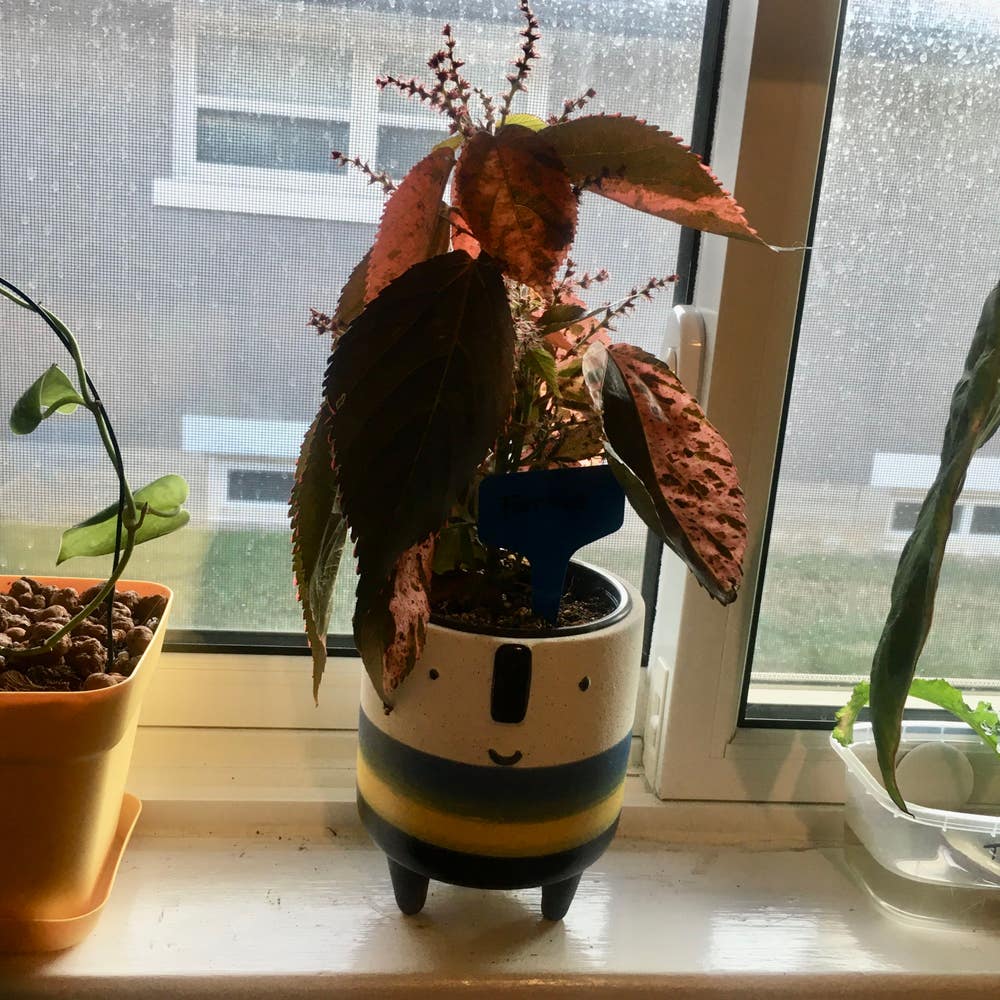
🐉 What to Do About Yellow Leaves on Your Red Dragon Plant
Acalypha wilkesiana 'Red Dragon'
By the Greg Editorial Team
Oct 16, 2024•4 min read
This article was created with the help of AI so we can cover more plants for you. May contain errors. See one? Report it here.
Transform your Red Dragon Plant's yellow leaves 🌱 into lush greenery with these vital care tips for thriving health!
- 🌱 Yellow leaves indicate issues like overwatering, underwatering, or nutrient deficiencies.
- 💧 Establish a consistent watering schedule to prevent yellowing and root rot.
- 🌞 Provide bright, indirect light for 6-8 hours daily to promote healthy growth.
Causes of Yellow Leaves
💧 Overwatering and Its Effects
Overwatering is a common culprit behind yellow leaves on your Red Dragon Plant. Symptoms include yellowing leaves, particularly the lower ones, wilting even when the soil is wet, and the potential development of root rot.
Proper soil drainage is crucial to prevent water accumulation. A recommended soil mix consists of 50% potting soil, 30% perlite, and 20% orchid bark to ensure your plant thrives.
🚰 Underwatering and Its Symptoms
Underwatering can also lead to yellowing leaves, but the signs are different. Look for dry, crispy leaf edges, curling or drooping leaves, and yellowing, especially in older foliage.
To avoid underwatering, check the soil moisture weekly. Water your plant when the top inch of soil feels dry to the touch.
🌱 Nutrient Deficiencies
Nitrogen Deficiency
A nitrogen deficiency manifests as general yellowing of older leaves and stunted growth. To remedy this, apply a balanced NPK fertilizer (10-10-10) every 4-6 weeks during the growing season.
Iron Deficiency
Iron deficiency presents as yellowing between leaf veins, known as interveinal chlorosis. New leaves may appear yellow while older leaves remain green, indicating a need for iron chelate supplements to enhance nutrient uptake.
🐛 Pest Infestations
Common Pests
Spider mites are a frequent issue, showing up as fine webbing and stippled leaves. To combat them, increase humidity around your plant and use insecticidal soap.
Aphids can also be problematic, leaving a sticky residue and causing curled leaves. Treat these pests with neem oil or insecticidal soap for effective control.
🍄 Fungal Infections
Root Rot
Root rot is a serious condition characterized by yellowing leaves and wilting, even when adequately watered. A foul smell from the soil is another telltale sign.
Preventing root rot involves ensuring proper drainage. If necessary, use fungicides to treat the infection and restore your plant's health.
Understanding these causes will help you take the right steps to revive your Red Dragon Plant. Next, we’ll explore effective treatment options to address these issues.
Treatment Options
🌊 Adjusting Watering Practices
Establishing a consistent watering schedule is crucial for your Red Dragon plant's health. Water thoroughly until excess drains out, ensuring the roots receive adequate moisture.
Allow the soil to dry slightly between waterings. This balance prevents both overwatering and underwatering, keeping your plant vibrant.
🌱 Fertilization Methods for Nutrient Deficiencies
When addressing nutrient deficiencies, application techniques matter. Liquid fertilizers offer quick absorption, making them ideal for immediate needs.
Granular fertilizers provide slow-release nutrients, ensuring your plant gets a steady supply over time. Choose the right type based on your plant's specific requirements.
🐛 Pest Control Strategies
Organic Methods
For pest control, consider organic methods first. Neem oil, insecticidal soap, and diatomaceous earth are effective and environmentally friendly options.
These treatments help manage pests without harsh chemicals, keeping your plant safe and healthy.
Chemical Methods
In cases of severe infestations, chemical methods may be necessary. Systemic insecticides can penetrate the plant's system, offering a more robust solution.
Always follow package instructions to ensure safe and effective application.
🍄 Fungal Treatment Options
Fungal issues can be tricky, but treatment is straightforward. Use fungicides according to package instructions to combat infections effectively.
Additionally, consider soil amendments. Incorporating perlite or sand improves drainage, reducing the risk of future fungal problems.
With these treatment options, you can restore your Red Dragon plant's health and vitality. Next, let’s explore preventative measures to keep your plant thriving long-term.
Preventative Measures
Best Watering Practices 🌊
Watering your Red Dragon Plant requires attention to seasonal changes and humidity levels. Aim for a consistent schedule, adjusting frequency based on the plant's environment.
Using self-watering pots can be a game-changer. They help maintain consistent moisture, reducing the risk of both overwatering and underwatering.
Ideal Soil Composition and Drainage 🪴
The right soil mix is crucial for your plant's health. A recommended blend is 50% potting soil, 30% perlite, and 20% orchid bark to ensure optimal drainage.
This combination prevents water accumulation, which can lead to root rot and yellow leaves.
Proper Light Conditions ☀️
Your Red Dragon Plant thrives in bright, indirect light for 6-8 hours daily. Insufficient light can lead to stretching or leggy growth, along with yellowing leaves.
Monitor your plant's light exposure to keep it vibrant and healthy.
Regular Inspection and Maintenance Routines 🔍
Make it a habit to check your plant monthly for pests and diseases. Early detection can save your plant from severe infestations.
Don't forget to prune dead or yellowing leaves. This simple act encourages new growth and keeps your plant looking its best.
By implementing these preventative measures, you can enjoy a thriving Red Dragon Plant, free from the worry of yellow leaves. Next, let’s explore effective treatment options for when issues do arise.
⚠️ Safety First
This content is for general information and may contain errors, omissions, or outdated details. It is not medical, veterinary advice, or an endorsement of therapeutic claims.
Always consult a qualified healthcare professional before using any plant as food, medicine, or supplement.
Never eat any plant (or feed one to pets) without confirming its identity with at least two trusted sources.
If you suspect poisoning, call Poison Control (800) 222-1222, the Pet Poison Helpline (800) 213-6680, or your local emergency service immediately.
Spotted an error? Please report it here.
Keep your Red Dragon Plant thriving 🌿 by using Greg's personalized watering reminders and nutrient plans to prevent yellow leaves and promote vibrant growth!