🐉 How to Grow Red Dragon Plant: From Soil to Sun
Acalypha wilkesiana 'Red Dragon'
By the Greg Editorial Team
Oct 16, 2024•5 min read
This article was created with the help of AI so we can cover more plants for you. May contain errors. See one? Report it here.
Transform your Red Dragon Plant into a stunning centerpiece 🌱 with essential tips on sunlight, soil, and care!
- 🌞 Red Dragon Plant needs 6-8 hours of sunlight daily for optimal growth.
- 🌱 Use a well-draining soil mix of potting soil, perlite, and sand for best results.
- 💧 Water when top 1-2 inches are dry; avoid overwatering to prevent yellow leaves.
Choosing the Right Location
🌞 Sunlight Requirements
The Red Dragon Plant thrives in full sun, requiring 6 to 8 hours of direct sunlight each day. This exposure is crucial for vibrant growth and stunning foliage.
🏡 Indoor vs. Outdoor Placement Considerations
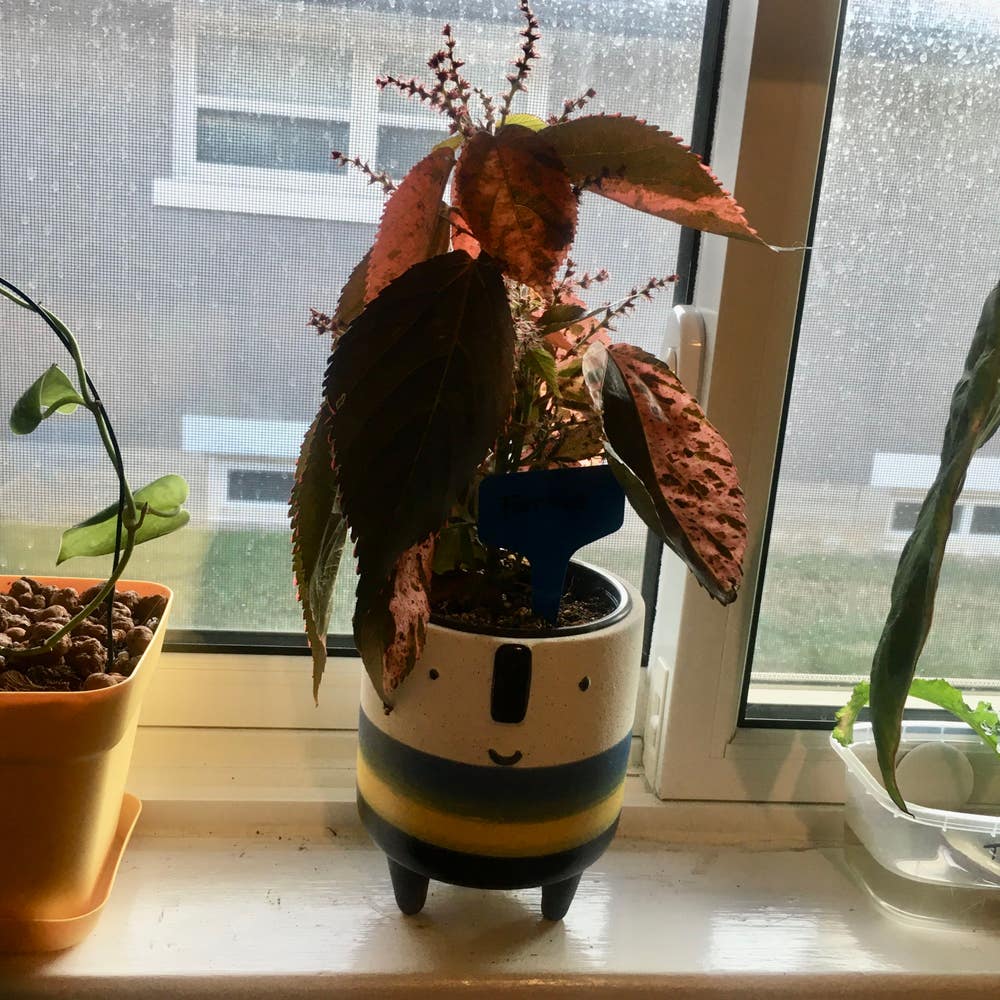
For indoor settings, position your plant near south or west-facing windows to maximize sunlight. If you opt for outdoor placement, ensure it’s sheltered from harsh winds to protect those delicate leaves.
Soil Preparation
Ideal Soil Mix 🌱
Creating the perfect soil mix is crucial for your Red Dragon Plant's health. Aim for a blend of 50% potting soil, 30% perlite, and 20% sand to ensure excellent drainage.
Good drainage is vital for root health. It prevents water from pooling, which can lead to root rot and other issues.
pH Level Considerations ⚗️
The optimal pH range for your soil is between 6.0 and 7.0. This range allows your plant to absorb nutrients effectively.
Testing your soil's pH is simple. Use a pH meter or test kit, and adjust as necessary using lime to raise pH or sulfur to lower it.
With the right soil mix and pH, your Red Dragon Plant will thrive. Next, let’s explore the best planting techniques to ensure a successful start!
Planting Techniques
Best Practices for Planting in Containers 🌱
When planting your Red Dragon Plant in containers, start by choosing a pot with drainage holes. This is crucial for preventing water from pooling at the bottom, which can lead to root rot.
Next, fill the pot with your prepared soil mix. A good blend consists of 50% potting soil, 30% perlite, and 20% sand for optimal drainage.
Ensure the root ball is level with the soil surface when planting. This helps the plant establish itself more effectively.
Finally, water thoroughly after planting. This initial watering helps settle the soil around the roots and provides essential moisture.
Transplanting Outdoor Plants 🌍
Timing is key when transplanting your Red Dragon Plant outdoors. Aim for early spring or fall, as these seasons provide the best conditions for growth.
Space your plants 6-10 feet apart to allow for their mature size. This spacing ensures they have enough room to thrive without competing for nutrients.
If you’ve started your plants indoors, remember to harden them off before transplanting. Gradually acclimate them to outdoor conditions over a week to minimize shock.
With these planting techniques in mind, you’re well on your way to cultivating a vibrant Red Dragon Plant. Next, let’s explore how to keep your plant healthy with proper watering and fertilizing techniques.
Watering and Fertilizing
Watering Schedule and Techniques 🌊
Watering your Red Dragon Plant is crucial for its health. Aim to water when the top 1-2 inches of soil feel dry to the touch.
Overwatering can lead to yellowing leaves and root rot, which are signs your plant is struggling. Conversely, underwatering manifests as wilting and browning leaf tips, indicating it's time for a drink.
Fertilizing Routine 🌱
Choosing the right fertilizer can make a significant difference. Opt for a balanced NPK fertilizer, like a 10-10-10, or consider slow-release options for convenience.
During the growing season, typically spring and summer, fertilize every 4-6 weeks. This routine helps your Red Dragon Plant thrive and flourish.
With proper watering and fertilizing, your plant will be well on its way to vibrant growth. Next, let’s explore common challenges and solutions to keep your plant healthy and happy.
Common Challenges and Solutions
🌱 Identifying Common Problems
Leaf Discoloration
Leaf discoloration is a common issue for the Red Dragon Plant. This can stem from nutrient deficiencies or overwatering, leading to yellowing or browning leaves.
Stunted Growth
Stunted growth can be frustrating. It often results from poor soil conditions or inadequate light, manifesting as slow growth or a lack of new leaves.
🛠️ Solutions and Preventive Measures
Pest Control Methods
Pests can wreak havoc on your plants. Use neem oil or insecticidal soap to manage infestations effectively.
Environmental Adjustments
Improving your plant's environment can make a significant difference. Adjust lighting conditions and refine your watering practices to promote healthier growth.
By addressing these common challenges, you can ensure your Red Dragon Plant thrives. Next, let’s explore the differences between container and outdoor growing to find the best fit for your gardening style.
Container vs. Outdoor Growing
🌱 Benefits of Container Growing
Container growing is a fantastic option for those with limited space. It allows you to maximize your gardening potential, even in small areas like balconies or patios.
Mobility is another significant advantage. You can easily move your Red Dragon Plant to capture optimal sunlight or protect it from harsh weather conditions.
🌤️ Outdoor Growing Considerations
When considering outdoor growing, climate plays a crucial role. The Red Dragon Plant thrives in USDA hardiness zones 9-11, making it essential to check your local climate before planting.
Additionally, be mindful of extreme weather conditions. Providing shelter from strong winds or intense sun can help your plant flourish outdoors.
With these insights, you can confidently choose the best growing method for your Red Dragon Plant. Next, let’s explore the watering and fertilizing needs to keep your plant healthy and vibrant.
⚠️ Safety First
This content is for general information and may contain errors, omissions, or outdated details. It is not medical, veterinary advice, or an endorsement of therapeutic claims.
Always consult a qualified healthcare professional before using any plant as food, medicine, or supplement.
Never eat any plant (or feed one to pets) without confirming its identity with at least two trusted sources.
If you suspect poisoning, call Poison Control (800) 222-1222, the Pet Poison Helpline (800) 213-6680, or your local emergency service immediately.
Spotted an error? Please report it here.
Cultivate a vibrant Red Dragon Plant 🌱 by leveraging Greg's tailored care plans and watering reminders to ensure it thrives in the perfect sunlight and soil conditions!