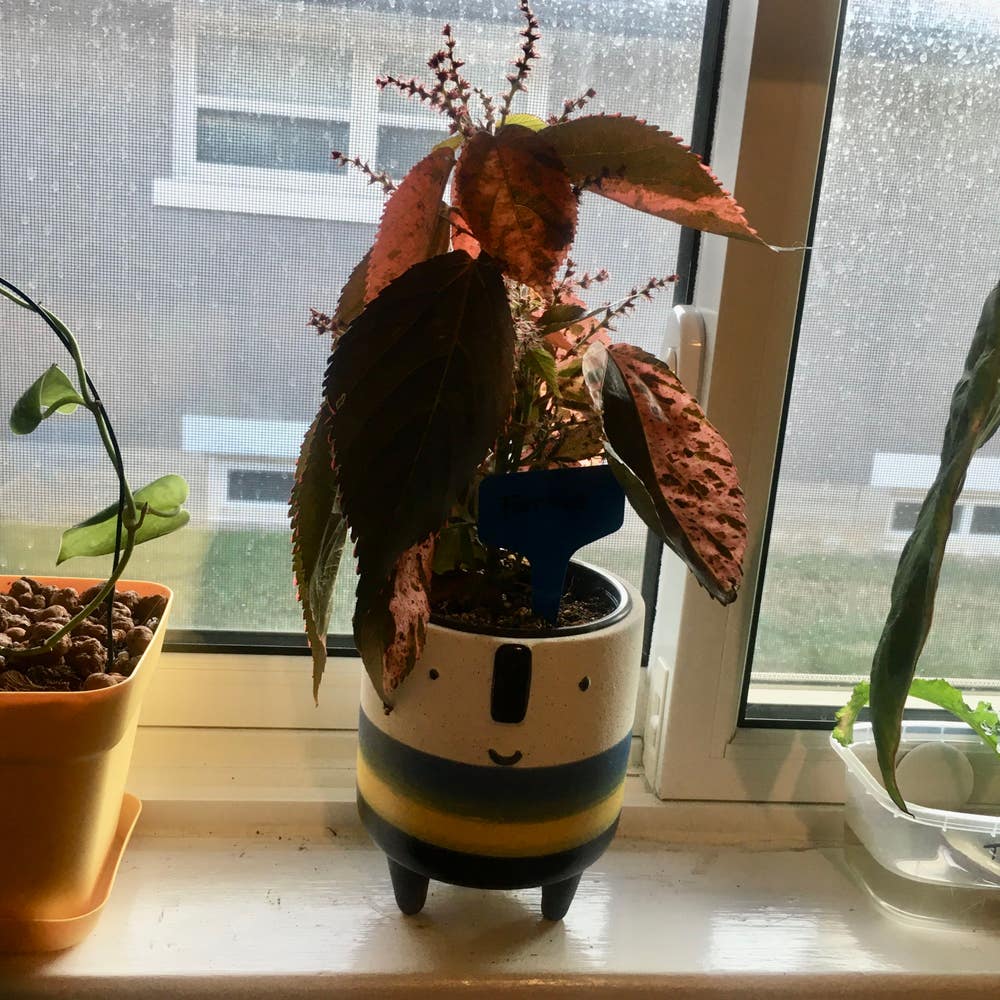
🐉 Understanding Black Spots on Your Red Dragon Plant Leaves
Acalypha wilkesiana 'Red Dragon'
By the Greg Editorial Team
Oct 16, 2024•7 min read
This article was created with the help of AI so we can cover more plants for you. May contain errors. See one? Report it here.
Transform your Red Dragon plant care 🌱 by learning to identify and treat black spots before they spread!
- 🌱 Black spots often stem from fungal infections, pests, or environmental stress.
- 💧 Overwatering leads to root rot; check soil moisture regularly to prevent issues.
- 🌞 Bright, indirect light and humidity control are vital for Red Dragon plant health.
Causes of Black Spots
🦠 Fungal Infections
Fungal infections are a primary culprit behind black spots on your Red Dragon plant leaves. Common diseases include leaf spot and powdery mildew, which thrive in conditions of high humidity and poor air circulation.
To prevent these fungal issues, ensure your plant has adequate airflow and avoid excessive moisture. Keeping humidity levels in check is crucial for maintaining leaf health.
🦠 Bacterial Infections
Bacterial infections can also lead to unsightly black spots. Types such as bacterial leaf spot can cause dark, water-soaked areas on leaves, often accompanied by yellowing.
These infections typically arise from poor sanitation or overwatering. Recognizing the symptoms early can help you take action before the problem escalates.
🐛 Pest Infestations
Pests like spider mites and mealybugs can wreak havoc on your plant, leading to black spots. These pests often create damage by sucking sap from the leaves, which can result in discoloration and stress.
Identifying these pests early is key. Look for signs like webbing or sticky residue on the leaves, indicating a potential infestation.
🌪️ Environmental Stress Factors
Environmental stress plays a significant role in the health of your Red Dragon plant. Overwatering can lead to root rot, causing leaves to yellow and develop black spots.
Conversely, underwatering can result in dry, crispy edges and drooping leaves. Additionally, inadequate light and humidity levels can further compromise your plant's vitality, making it more susceptible to black spots.
Understanding these causes is essential for effective plant care. By addressing these issues, you can help your Red Dragon thrive and keep those black spots at bay.
Diagnosing the Problem
🌊 Assessing Watering Habits
Signs of Overwatering
Overwatering can be a silent killer for your Red Dragon plant. Look for yellowing leaves, mushy stems, and root rot as clear indicators that you might be giving your plant too much love.
Checking soil moisture levels is crucial. Stick your finger about an inch into the soil; if it feels soggy, it’s time to cut back on watering.
Signs of Underwatering
On the flip side, underwatering can also lead to distress. Watch for dry, crispy leaf edges and drooping leaves, which signal that your plant is thirsty.
Adjust your watering frequency based on environmental conditions. Factors like temperature and humidity can significantly impact how often you should water.
🐛 Checking for Pests
Common Pests
Pests like spider mites and mealybugs can wreak havoc on your plant. Familiarize yourself with their appearance and the signs of damage, such as webbing or sticky residue on leaves.
Identifying these pests early can save your plant from severe damage. Regular inspections are key to keeping them at bay.
How to Inspect for Pests
Inspecting your plant for pests is straightforward. Start by examining the undersides of leaves and the stems for any signs of infestation.
You’ll need a few tools for effective pest inspection: a magnifying glass, sticky tape for trapping, and a soft brush for cleaning. This simple routine can help you catch problems before they escalate.
🌞 Evaluating Environmental Conditions
Light Requirements
Your Red Dragon plant thrives in bright, indirect light. Too much direct sunlight can scorch the leaves, leading to unsightly damage.
Ensure your plant is placed where it can soak up the right amount of light without being overwhelmed. A little adjustment can make a big difference.
Humidity Levels
Humidity plays a vital role in your plant's health. Aim for humidity levels around 40-60% for optimal growth.
Watch for signs of low humidity stress, like browning leaf tips or wilting. If you notice these symptoms, consider using a humidifier or placing a tray of water nearby to boost moisture levels.
With these diagnostic tips, you can better understand your plant's needs and take action before issues escalate. Next, let’s explore treatment options to restore your Red Dragon plant to its vibrant self.
Treatment Options
🌱 Fungal Treatment Methods
Fungicides Suitable for the Plant
When dealing with fungal infections on your Red Dragon plant, selecting the right fungicide is crucial. Look for commercial options like chlorothalonil or copper-based fungicides, which are effective against common fungal diseases.
Apply these fungicides according to the manufacturer's instructions, typically every 7 to 14 days until the issue resolves. Timing is key; treat during the early stages of infection for the best results.
Homemade Remedies
If you prefer natural solutions, consider using a baking soda solution as a homemade fungicide. Mix one tablespoon of baking soda with a gallon of water and a few drops of dish soap.
Spray this mixture on the affected leaves, ensuring thorough coverage. Reapply every week or after rainfall for continued protection.
🦠 Bacterial Treatment Methods
Managing bacterial infections requires prompt action. Start by removing any affected leaves to prevent the spread of bacteria.
Sanitation is vital; clean your tools and pots to avoid recontamination. Regularly inspect your plant for any new symptoms to catch issues early.
🐞 Pest Control Strategies
Insecticidal Soaps
Insecticidal soaps are a safe and effective way to combat pests like spider mites and mealybugs. To use, simply spray the affected areas thoroughly, ensuring you cover both the tops and undersides of leaves.
Always follow safety precautions, such as wearing gloves and applying in the evening to avoid harming beneficial insects.
Natural Pest Deterrents
For a more organic approach, homemade pest deterrents like neem oil can be highly effective. Mix one to two tablespoons of neem oil with water and a few drops of dish soap.
Apply this mixture every two weeks to keep pests at bay. Adjust the frequency based on the severity of the infestation.
With these treatment options, you can effectively tackle black spots on your Red Dragon plant and promote its overall health. Next, let’s explore preventive measures to keep your plant thriving.
Preventive Measures
🌊 Best Watering Practices
How to Water Correctly
Watering your Red Dragon plant correctly is essential for its health. Aim to water when the top inch of soil feels dry, typically every 1-2 weeks, depending on environmental conditions.
Allowing the soil to dry between waterings prevents root rot. This simple practice can make a significant difference in keeping your plant vibrant and free from black spots.
Importance of Soil Drainage
Well-draining soil is crucial for your plant's health. Look for soil that allows excess water to escape easily, preventing soggy roots.
To improve soil drainage, consider adding perlite or coarse sand. These materials enhance aeration and help maintain optimal moisture levels.
🌤️ Optimal Environmental Conditions
Ideal Light and Humidity Levels
Your Red Dragon plant thrives in bright, indirect light. Too much direct sunlight can scorch the leaves, leading to unsightly black spots.
Maintaining humidity levels between 40-60% is also vital. You can use a humidity meter to monitor conditions and adjust as needed, especially during dry seasons.
🧹 Regular Maintenance Tips
Cleaning Leaves
Keeping your plant's leaves dust-free is essential for photosynthesis. Regularly wipe the leaves with a damp cloth to remove dust and debris.
This simple task not only enhances the plant's appearance but also promotes better health. Clean leaves can absorb more light, leading to a more robust plant.
Monitoring for Early Signs of Issues
Regular inspections can help catch problems before they escalate. Set a schedule to check for signs of distress, such as yellowing leaves or unusual spots.
Consider keeping a plant care journal to track changes over time. This practice can help you identify patterns and adjust your care routine accordingly.
By implementing these preventive measures, you can significantly reduce the risk of black spots on your Red Dragon plant. Next, let’s explore effective treatment options for when issues do arise.
⚠️ Safety First
This content is for general information and may contain errors, omissions, or outdated details. It is not medical, veterinary advice, or an endorsement of therapeutic claims.
Always consult a qualified healthcare professional before using any plant as food, medicine, or supplement.
Never eat any plant (or feed one to pets) without confirming its identity with at least two trusted sources.
If you suspect poisoning, call Poison Control (800) 222-1222, the Pet Poison Helpline (800) 213-6680, or your local emergency service immediately.
Spotted an error? Please report it here.
Keep your Red Dragon plant spot-free 🌿 by using Greg's tailored reminders for moisture levels and pest inspections to ensure it thrives in your home!