🐉 Mature Height of Your Red Dragon Plant
Acalypha wilkesiana 'Red Dragon'
By the Greg Editorial Team
Oct 16, 2024•5 min read
This article was created with the help of AI so we can cover more plants for you. May contain errors. See one? Report it here.
Unlock the secrets to a thriving Red Dragon Plant 🌱 by mastering its growth, size, and care essentials!
- 🌱 Red Dragon Plants reach 6 to 10 feet tall under optimal conditions.
- 🏡 Indoor plants grow shorter due to limited light and space.
- 🌞 Spring and summer are key growth phases; prune in early spring for best results.
Mature Height and Spread
Height 🌱
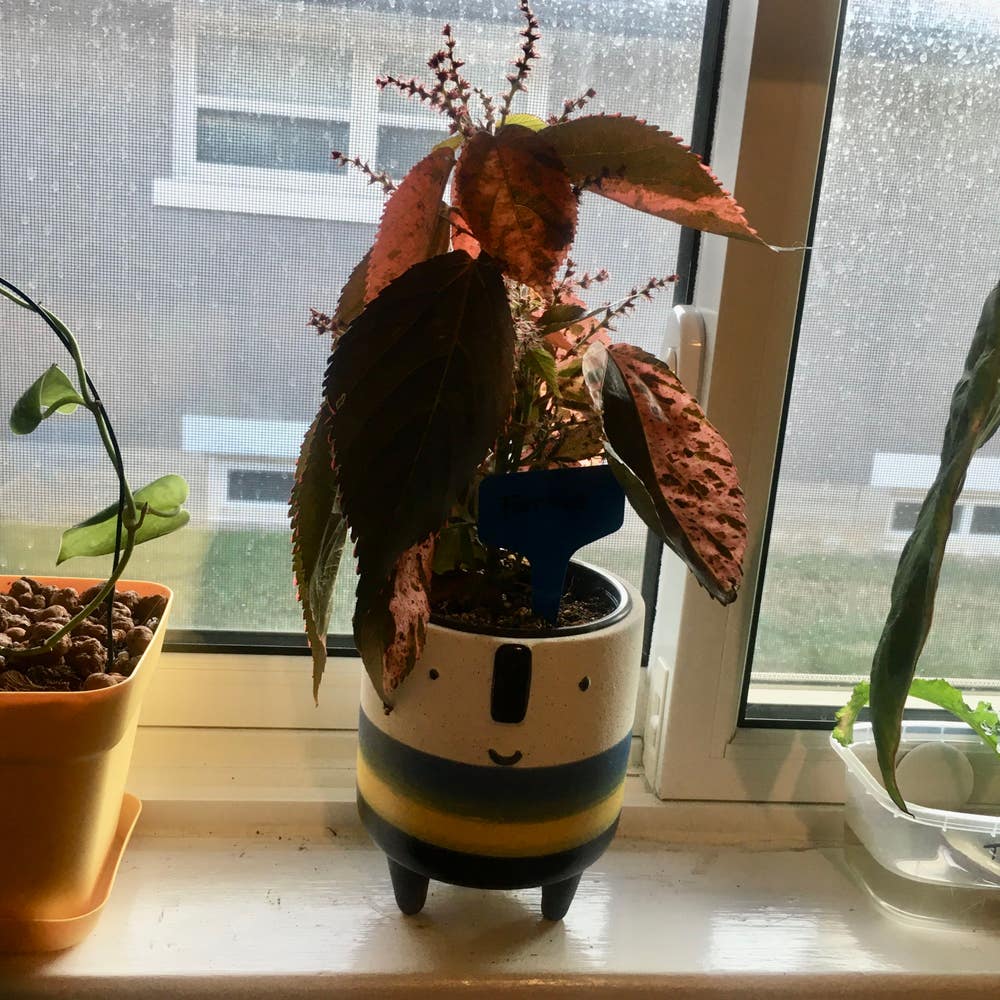
The average mature height of a Red Dragon Plant ranges from 6 to 10 feet (1.8 to 3 meters) under optimal conditions. However, this height can vary significantly depending on whether the plant is grown indoors or outdoors.
Indoor plants typically grow shorter due to limited light and space, while outdoor plants thrive with ample sunlight and room to expand.
Spread 🌿
In terms of spread, you can expect your Red Dragon Plant to reach an average width of 3 to 5 feet (0.9 to 1.5 meters).
Several factors influence this spread, including pot size, pruning practices, and overall environmental conditions. For instance, a larger pot allows for more root growth, which can lead to a wider plant.
Understanding these dimensions can help you plan your space effectively, ensuring your Red Dragon Plant has the room it needs to flourish.
As you consider the height and spread, remember that these factors set the stage for the plant's overall growth and health. Next, let’s dive into the growth rate of your Red Dragon Plant.
Growth Rate
Average Growth Rate 🌱
The red dragon plant boasts an impressive growth rate of 12 to 24 inches (30 to 61 cm) per year. To achieve this optimal growth, ensure your plant receives adequate light, water, and nutrients.
Growth Rates in Different Environments 🌍
Indoor growth rates tend to be slower due to limited light and space. In contrast, outdoor plants thrive, growing faster with ample sunlight and room to spread their roots.
Seasonal Growth Patterns 🌸
Spring and summer mark the active growth phase for your red dragon plant. During fall and winter, expect a dormant phase with minimal growth, as the plant conserves energy for the next active season.
Understanding these growth dynamics can help you provide the best care for your red dragon plant, ensuring it reaches its full potential. Next, let's explore the timeline for maturity and what influences it.
Time to Reach Full Size
📅 Timeline for Maturity
The red dragon plant typically takes 5 to 10 years to reach its full height. This timeline can vary significantly based on the care it receives and the environmental conditions it experiences.
⚖️ Factors Affecting Maturity
Several factors influence how quickly your plant matures.
Environmental Factors: Temperature, humidity, and light exposure play crucial roles. Optimal conditions can speed up growth, while unfavorable ones can slow it down.
Care Practices: Regular fertilization and consistent watering schedules are essential. Neglecting these can lead to stunted growth and delayed maturity.
Understanding these elements can help you nurture your red dragon plant effectively. With the right care, you'll be well on your way to enjoying its impressive stature in your space.
As you consider the growth journey of your plant, let's explore how size can vary among different varieties.
Size Variability
🌱 Dwarf Varieties
Dwarf varieties of the red dragon plant typically reach a height of under 3 feet (0.9 meters). These compact plants thrive in limited spaces and require specific light conditions to flourish.
🦕 Giant Varieties
On the other end of the spectrum, giant varieties can exceed heights of 10 feet (3 meters). They flourish in environments with ample space and optimal sunlight, making them a striking addition to any garden.
🌍 Environmental Influences
Soil quality and drainage play crucial roles in the growth of red dragon plants. Poor soil can stunt growth, while well-draining, nutrient-rich soil promotes healthy development.
Local climate conditions also significantly impact growth patterns. Factors like temperature and humidity can either enhance or hinder the plant's ability to reach its full potential.
Understanding these size variations helps you choose the right type of red dragon plant for your space and conditions. Whether you opt for a dwarf or a giant, ensuring the right environment will lead to a thriving plant.
As you consider your options, keep in mind how these factors will influence your plant's journey to maturity.
Controlling Size
✂️ Pruning Techniques
Pruning is essential for managing the size of your Red Dragon Plant. Cutting back stems and leaves encourages bushier growth and keeps the plant within desired dimensions.
The best time to prune is early spring, just before the active growth phase begins. This timing ensures your plant can recover quickly and thrive throughout the growing season.
📏 Other Growth Control Methods
In addition to pruning, consider using growth regulators. These chemical treatments can effectively limit height and help you maintain a more manageable plant size.
Adjusting your watering and fertilization practices can also slow growth. By reducing nutrients, you can control how quickly your plant reaches its full potential.
🪴 Pot Size Impact
The size of the pot plays a significant role in your plant's growth. Smaller pots restrict both height and spread, making them ideal for those looking to keep their Red Dragon Plant compact.
For optimal size control, choose pot sizes that align with your desired dimensions. A well-chosen pot can make all the difference in achieving the look you want for your space.
As you consider these methods, remember that each plant is unique. Tailoring your approach will help you cultivate a thriving Red Dragon Plant that fits perfectly in your home or garden.
⚠️ Safety First
This content is for general information and may contain errors, omissions, or outdated details. It is not medical, veterinary advice, or an endorsement of therapeutic claims.
Always consult a qualified healthcare professional before using any plant as food, medicine, or supplement.
Never eat any plant (or feed one to pets) without confirming its identity with at least two trusted sources.
If you suspect poisoning, call Poison Control (800) 222-1222, the Pet Poison Helpline (800) 213-6680, or your local emergency service immediately.
Spotted an error? Please report it here.
Unlock the full potential of your Red Dragon Plant 🌿 with Greg's tailored care plans and reminders, ensuring it thrives beautifully in your home!