🐉 Understanding Brown Spots on Your Red Dragon Plant Leaves
Acalypha wilkesiana 'Red Dragon'
By the Greg Editorial Team
Oct 16, 2024•5 min read
This article was created with the help of AI so we can cover more plants for you. May contain errors. See one? Report it here.
Revive your Red Dragon plant 🌱 by mastering the diagnosis and treatment of pesky brown spots!
- 🌱 Brown spots on Red Dragon leaves stem from overwatering, pests, or nutrient deficiencies.
- 💧 Adjust watering based on soil moisture to prevent yellowing and curling leaves.
- 🦠 Inspect for pests and fungal infections regularly to maintain plant health.
Causes of Brown Spots
💧 Overwatering and Underwatering
Understanding the balance of watering is crucial for your Red Dragon plant. Overwatering can lead to yellowing leaves, wilting even when the soil feels moist, and root rot, which manifests as mushy roots.
On the flip side, underwatering shows its signs through dry, crispy leaf edges, curling leaves, and soil that pulls away from the pot's edges. Recognizing these symptoms early can save your plant from further distress.
🥦 Nutrient Deficiencies
Nitrogen Deficiency
A lack of nitrogen can stunt your plant's growth and cause yellowing leaves. To remedy this, consider using high-nitrogen fertilizers like fish emulsion, which can boost your plant's health.
Potassium Deficiency
Potassium deficiency often presents as brown spots on leaf edges and weak stems. To address this, potassium-rich options such as banana peels or kelp can be beneficial.
🍄 Fungal Infections
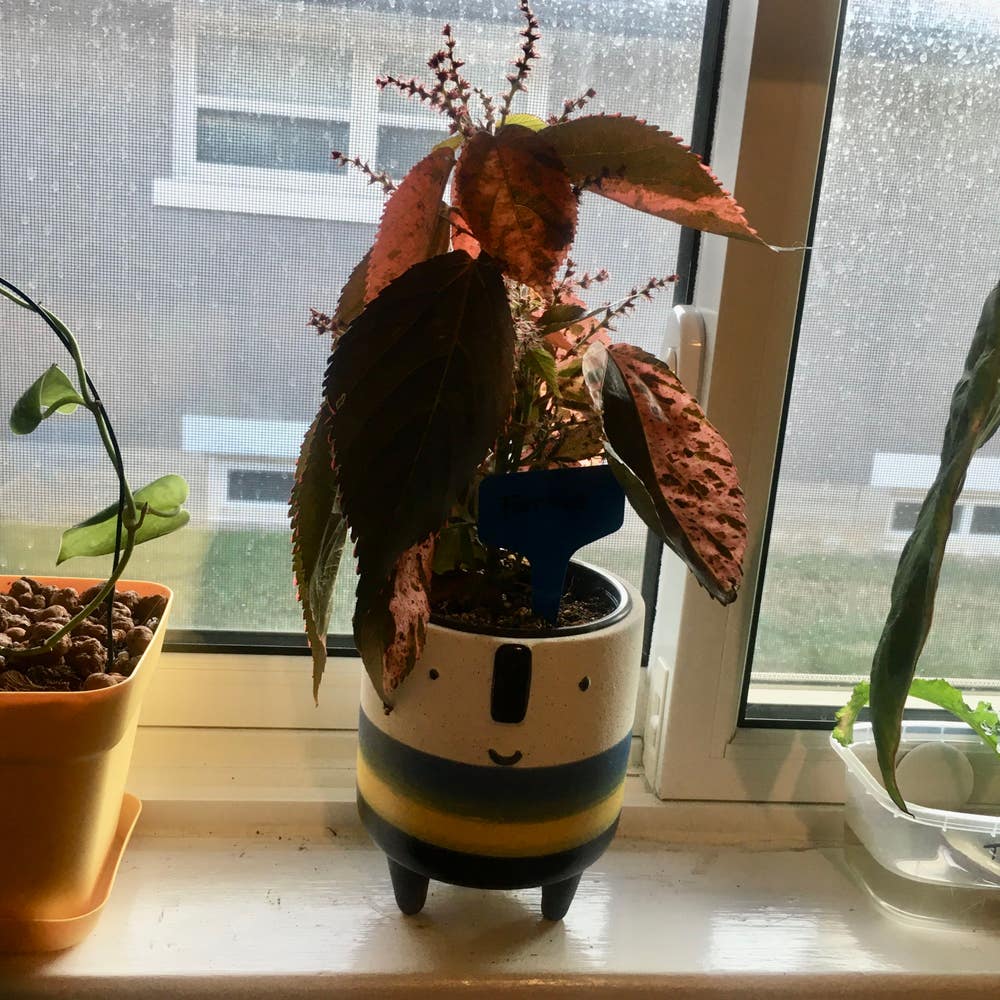
Fungal infections, particularly leaf spot disease, can wreak havoc on your plant. Look for dark brown spots surrounded by yellow halos, which indicate a fungal issue.
These infections thrive in conditions of high humidity and poor air circulation. Ensuring good airflow and managing humidity can help prevent these problems.
🐜 Pest Infestations
Spider Mites
Spider mites are notorious for their fine webbing and stippled leaves. They weaken the plant, leading to brown spots that can spread if not addressed promptly.
Mealybugs
Mealybugs appear as cotton-like masses on leaves and stems. These sap-sucking pests cause leaf discoloration, making it essential to act quickly to protect your plant.
Understanding these causes is the first step in maintaining a healthy Red Dragon plant. Next, we'll explore how to diagnose these issues effectively.
Diagnosing the Problem
Assessing Watering Habits 🌊
To start diagnosing brown spots on your Red Dragon plant, check the soil moisture. You can use a moisture meter or simply stick your finger into the soil to gauge its dampness.
Adjust your watering frequency based on the season and humidity levels. During hotter months, your plant may need more water, while cooler months may require less.
Checking for Pests 🐜
Next, inspect the undersides of leaves and stems for any signs of pests. Look closely for tiny insects or webbing that could indicate an infestation.
Using a magnifying glass can help you spot these nuisances more easily. Early detection is key to preventing further damage.
Evaluating Soil Quality and Nutrients 🥕
The type of soil you use is crucial. A well-draining potting mix is essential for the health of your plant.
Consider conducting a soil test to check nutrient levels. This will help you determine if your plant is lacking essential elements.
Observing Environmental Conditions 🌍
Finally, take a look at the environmental conditions your plant is in. Ensure it receives bright, indirect light, as this is vital for its growth.
Humidity levels also play a significant role. Use a hygrometer to measure indoor humidity and adjust as needed.
Temperature is another factor to consider. Keep your plant away from drafts and heating vents to maintain a stable environment.
By carefully assessing these areas, you can pinpoint the cause of those pesky brown spots and take action to restore your plant's health. Next, let’s explore effective treatment options to address these issues.
Treating Brown Spots
🧼 Step-by-Step Treatment for Overwatering
Overwatering can be a sneaky culprit behind those pesky brown spots.
- Adjust your watering schedule: Only water when the top inch of soil feels dry.
- Improve drainage: Repot your plant in fresh, well-draining soil and ensure your pot has drainage holes.
🥦 Addressing Nutrient Deficiencies
Nutrient deficiencies can lead to unsightly brown spots as well.
- Recommended fertilizers: Use a balanced NPK fertilizer every 4-6 weeks during the growing season.
- Signs of nutrient deficiency: Keep an eye out for new growth and changes in leaf color.
🦠 Managing Fungal Infections
Fungal infections can wreak havoc on your Red Dragon plant.
- Identifying the type of fungus: Look for specific symptoms like spots or wilting leaves.
- Recommended fungicides: Copper-based fungicides or neem oil can help combat these issues.
🐞 Pest Control Methods
Pests can also contribute to brown spots, so vigilance is key.
- Organic options: Try insecticidal soap, neem oil, or diatomaceous earth for a gentle approach.
- Chemical options: For severe infestations, systemic insecticides may be necessary.
- Regular monitoring: Inspect your plants weekly for early signs of pests to catch issues before they escalate.
By addressing these factors, you can restore your Red Dragon plant's health and keep those brown spots at bay. Next, let’s explore how to prevent future issues and ensure your plant thrives.
Preventing Future Issues
Best Practices for Watering 🌊
Water your Red Dragon Plant thoroughly, but ensure the soil dries out between waterings. Using room temperature water helps avoid shocking the plant, promoting healthier growth.
Importance of Proper Soil and Potting 🪴
Opt for a well-draining potting mix specifically designed for indoor plants. Repotting every 1-2 years refreshes the soil and nutrients, keeping your plant vibrant.
Maintaining Optimal Humidity and Temperature 🌡️
To maintain humidity levels, consider using a humidifier or a pebble tray. Keeping your plant in a stable temperature environment is crucial for its overall health.
Regular Inspection for Pests and Diseases 🔍
Conduct bi-weekly checks for pests and signs of disease. If you spot any affected leaves, remove them immediately to prevent the issue from spreading.
Seasonal Care Adjustments 🍂
Adjust your watering and fertilization routine based on seasonal growth patterns. During shorter winter days, providing additional light with grow lights can make a significant difference.
By implementing these preventive measures, you can help your Red Dragon Plant thrive and avoid the common pitfalls that lead to brown spots. Now, let's explore how to diagnose any issues that may arise.
⚠️ Safety First
This content is for general information and may contain errors, omissions, or outdated details. It is not medical, veterinary advice, or an endorsement of therapeutic claims.
Always consult a qualified healthcare professional before using any plant as food, medicine, or supplement.
Never eat any plant (or feed one to pets) without confirming its identity with at least two trusted sources.
If you suspect poisoning, call Poison Control (800) 222-1222, the Pet Poison Helpline (800) 213-6680, or your local emergency service immediately.
Spotted an error? Please report it here.
Keep your Red Dragon plant thriving 🌱 by using Greg's tailored watering reminders and nutrient tips to tackle those pesky brown spots with confidence!