🐉 3 Tips for Healing Curling Leaves on Your Red Dragon Plant
Acalypha wilkesiana 'Red Dragon'
By the Greg Editorial Team
Oct 16, 2024•4 min read
This article was created with the help of AI so we can cover more plants for you. May contain errors. See one? Report it here.
Transform your curling Red Dragon plant leaves 🌱 into vibrant foliage with these must-know care tips for thriving growth!
- 🌱 Curling leaves indicate stress; check for pests or environmental issues immediately.
- 💧 Maintain 50-70% humidity and adjust watering to prevent root rot.
- 🌞 Provide bright, indirect light for vibrant foliage and healthy growth.
Diagnosing the Problem
🌿 Identifying Symptoms of Curling Leaves
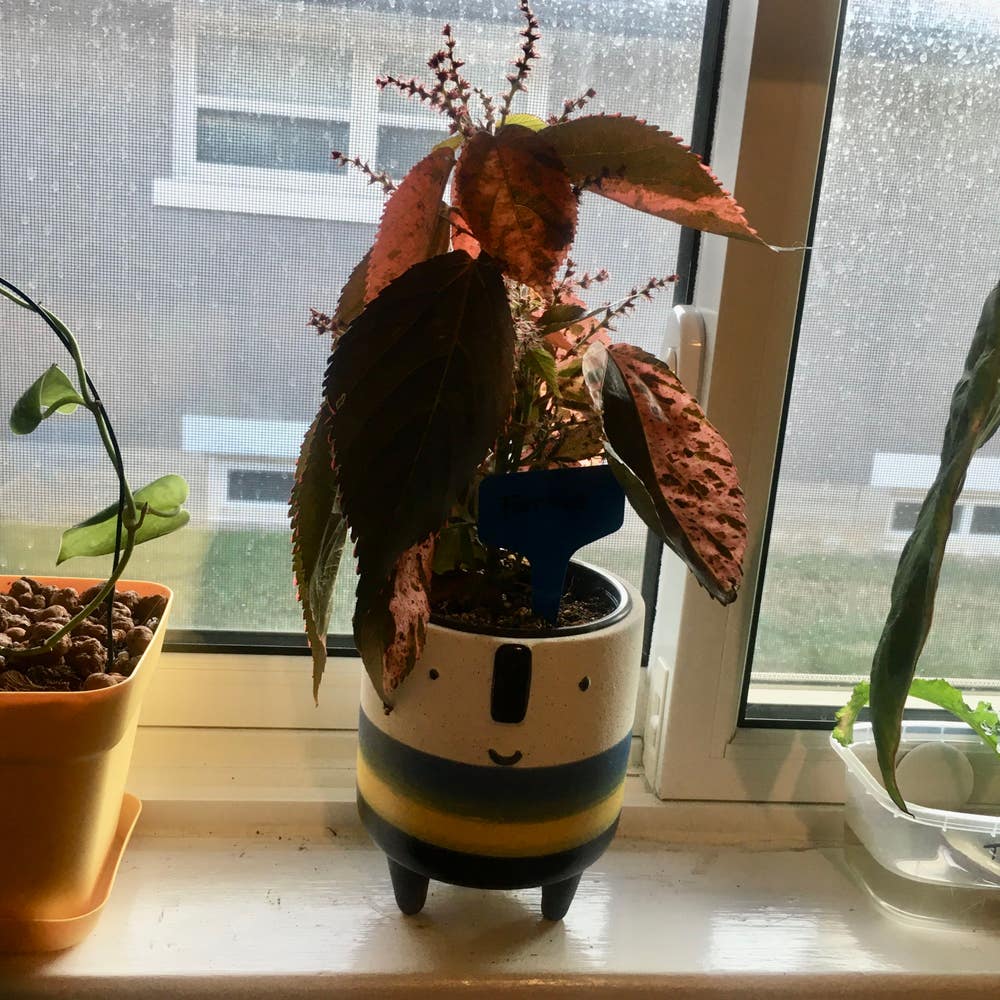
Curling leaves on your Red Dragon plant can signal various issues. Look for visual signs like leaf edges curling inward or outward, which can indicate stress.
Discoloration is another key symptom. Yellowing or browning of leaf tips often points to underlying problems that need attention.
👀 Other Symptoms to Observe
Keep an eye out for wilting or drooping leaves. These can indicate that your plant is struggling to thrive.
Stunted growth or poor overall health is also a red flag. If your plant isn’t growing as expected, it’s time to investigate further.
🐛 Differentiating Between Pest Damage and Environmental Stress
Identifying whether pests or environmental stress is the culprit is crucial. Look for visible pests like spider mites or aphids on the undersides of leaves.
You might also notice webbing or sticky residue on leaves, which are clear indicators of pest damage.
🌡️ Environmental Stress Indicators
On the other hand, environmental stress can stem from changes in humidity or temperature. Recent watering changes or soil quality issues can also contribute to your plant's distress.
Understanding these signs will help you take the right steps to restore your Red Dragon plant's health. Next, let’s explore effective solutions for curling leaves.
Solutions for Curling Leaves
🌊 Adjusting Watering Practices
Assess Current Watering Schedule
Start by checking how often you water your Red Dragon plant. Is it too frequent or not enough?Also, evaluate the soil moisture. You can use a moisture meter or simply stick your finger into the soil to gauge its dampness.
Implement Changes
Adjust your watering frequency to every 1-2 weeks, depending on how dry the soil feels.Ensure proper drainage by using well-draining soil, which helps prevent root rot.
💧 Improving Humidity Levels
Ideal Humidity Range
Aim for a humidity level between 50-70% for optimal growth.Methods to Increase Humidity
- Humidifiers: Place one in the room where your plant resides to maintain moisture.
- Pebble Trays: Fill trays with water and pebbles to create a mini-humid environment.
- Grouping Plants: Cluster your Red Dragon plant with others to help retain moisture in the air.
🌱 Correcting Nutrient Deficiencies
Identifying Nutrient Needs
Conduct a soil test to check nutrient levels and pH. This will help you understand what your plant might be lacking.Fertilization Strategies
Use a balanced fertilizer every 4-6 weeks during the growing season.For a more natural approach, consider organic options like compost or worm castings to give your plant a nutrient boost.
By addressing these key areas—watering, humidity, and nutrients—you'll be well on your way to reviving those curling leaves. Next, let’s explore some preventative measures to keep your Red Dragon plant thriving.
Preventative Measures
🌱 Best Practices for Red Dragon Plant Care
To keep your Red Dragon plant thriving, establish a regular watering schedule. This ensures consistent moisture without risking waterlogging, which can lead to root rot.
Soil quality is crucial. Opt for a well-draining potting mix enriched with organic matter to promote healthy growth.
Light conditions also play a significant role. Provide bright, indirect light to prevent stress and encourage vibrant foliage.
🕵️♂️ Regular Monitoring for Pests and Diseases
Regular inspections are key. Check your plant's leaves weekly for any signs of pests or diseases to catch issues early.
If you spot any pests, consider early intervention strategies. Neem oil or insecticidal soap can effectively manage infestations, while quarantining new plants helps prevent unwanted guests from spreading.
By following these preventative measures, you can maintain a healthy environment for your Red Dragon plant, ensuring it flourishes beautifully. Next, let’s explore how seasonal changes can impact your plant’s care routine.
Seasonal Considerations
🌿 How Seasonal Changes Affect Leaf Curling
Seasonal changes can significantly impact your Red Dragon plant's health. In winter, it's crucial to protect your plant from cold drafts and reduce watering to prevent root rot.
During the summer, the focus shifts to increasing humidity and monitoring for heat stress. High temperatures can lead to curling leaves, so keep an eye on your plant's environment.
📅 Adjusting Care Routines Based on the Season
Adjust your watering schedule according to the season. Water more frequently in summer when the plant is actively growing, and cut back in winter when growth slows.
Fertilization also needs to adapt. Reduce feeding during the fall and winter months, allowing your plant to rest and conserve energy. This seasonal awareness will help keep your Red Dragon thriving year-round.
⚠️ Safety First
This content is for general information and may contain errors, omissions, or outdated details. It is not medical, veterinary advice, or an endorsement of therapeutic claims.
Always consult a qualified healthcare professional before using any plant as food, medicine, or supplement.
Never eat any plant (or feed one to pets) without confirming its identity with at least two trusted sources.
If you suspect poisoning, call Poison Control (800) 222-1222, the Pet Poison Helpline (800) 213-6680, or your local emergency service immediately.
Spotted an error? Please report it here.
Revive your Red Dragon plant's curling leaves 🌱 with Greg's tailored watering reminders and humidity tips, ensuring it thrives in a happy, healthy environment!