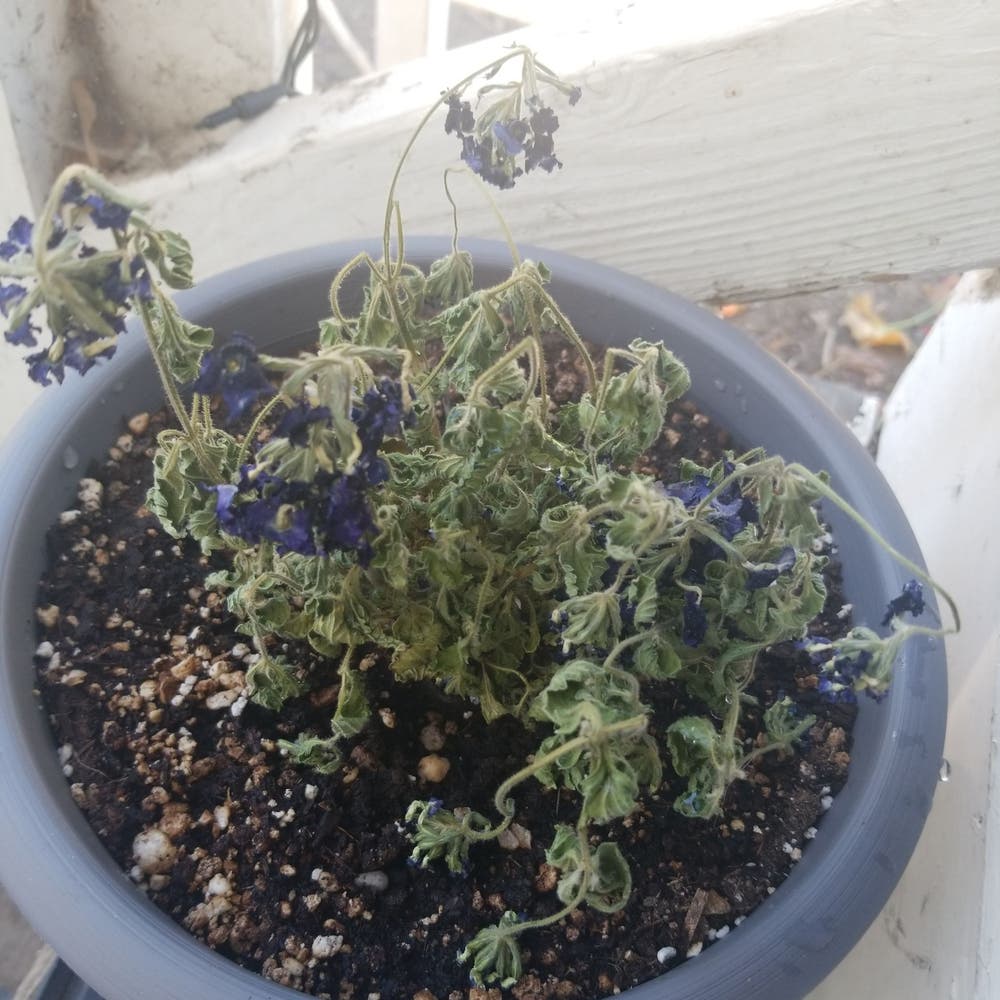
Step-by-Step Guide to Propagating Hoary Vervain
Verbena stricta
By the Greg Editorial Team
Aug 01, 2024•5 min read
This article was created with the help of AI so we can cover more plants for you. May contain errors. See one? Report it here.
Cultivate a verdant oasis 🌿 by mastering Hoary Vervain propagation with our expert tips!
- 🌱 Choose mature seeds and use proper sowing techniques for successful propagation.
- 🌞💧 Provide optimal conditions for seedlings, divisions, and cuttings to thrive.
- ✂️ Monitor and adjust care post-propagation to ensure healthy Hoary Vervain growth.
Seed Propagation
🌱 Choosing Seeds
Selecting the right seeds is crucial for successful Hoary Vervain propagation. Here's how to ensure you're starting with the best:
- Look for mature seeds that are free from damage and disease.
- Prioritize seeds that appear robust, as they're more likely to germinate successfully.
🌿 Sowing Techniques
Proper sowing maximizes your chances of propagation success. Follow these steps for both indoor and outdoor sowing:
Indoor Sowing:
- Use a well-draining soil mix in a flat or container.
- Sow seeds sparingly to avoid overcrowding.
- Cover seeds with a light layer of soil or fine gravel.
- Keep the environment warm and moist, but not waterlogged.
Outdoor Sowing:
- Choose a spot with good sunlight and drainage.
- Sow seeds directly into the ground, spacing them out.
- Cover lightly with soil and maintain consistent moisture.
🌱 Seedling Care
Once your seeds have germinated, they'll need the right conditions to thrive:
- Provide bright, indirect light to encourage strong growth.
- Keep the soil moist, but be cautious of overwatering.
- Gradually introduce seedlings to less humid conditions to harden them off.
- Maintain a warm environment, away from drafts or cold temperatures.
Division Propagation
🌱 When to Divide
Dividing Hoary Vervain is best done in the early spring when the plant is emerging from dormancy and has the full growing season ahead to recover. Look for signs of healthy growth, such as new shoots, as an indicator that the plant is ready for division.
- Start by digging up the entire clump of Hoary Vervain, taking care not to damage the roots.
- Gently shake off excess soil to better see the root structure and identify natural divisions.
- Using a clean, sharp tool, separate the clump into smaller sections, each with its own roots and shoots.
- If the plant is large, you can divide it into several pieces; smaller clumps may only yield two or three divisions.
- Trim any damaged roots or foliage to encourage healthy growth.
🌿 Transplanting Divisions
- Replant each division promptly to minimize stress, ensuring the soil line matches its previous depth.
- Choose a spot with similar lighting and soil conditions as the parent plant to help the divisions acclimate.
- Water the new plants thoroughly to settle the soil around the roots and eliminate air pockets.
- Monitor the divisions closely for the first few weeks, keeping the soil consistently moist but not waterlogged.
Stem Cutting Propagation
🌿 Selecting Stems
- Identify healthy Hoary Vervain stems: vibrant, free from pests or disease, and with several sets of leaves.
- Use sterilized shears for a clean cut just below a leaf node, aiming for a 4-6 inch segment.
🌱 Planting Cuttings
- Remove lower leaves to reduce moisture loss and prevent rot.
- Dip the cut end into rooting hormone to enhance root development.
- Plant the cutting in moist, well-draining soil, ensuring at least one node is below the surface.
🌴 Environment for Cuttings
- Maintain a warm, humid environment to encourage rooting, avoiding direct sunlight.
- Water sparingly until roots establish to prevent overwatering and potential rot.
Root Cutting Propagation
Harvesting Root Cuttings
Root cuttings are a reliable way to propagate Hoary Vervain. Here's how to do it without harming the parent plant:
- Select a healthy Hoary Vervain plant and gently unearth a portion of its root system.
- Using a sterilized sharp knife, make a clean cut to harvest a section of root, ideally 2-4 inches long.
- Remember orientation is crucial: mark the top end (nearest the plant's shoot) with a straight cut and the bottom (root tip) with a slanting cut.
🌱 Planting Root Cuttings
Now, let's get those cuttings planted:
- Prepare a pot with a well-draining compost mix, adding sharp sand or horticultural grit to enhance drainage.
- Plant the root cuttings vertically, ensuring the top end is just below the soil surface.
- Water lightly to settle the soil around the cuttings and place the pot in a warm area with indirect light.
🌿 Root Cutting Aftercare
Immediate aftercare is simple but vital for root cuttings to thrive:
- Keep the soil consistently moist but not waterlogged to prevent rot.
- Patience is key; wait for signs of growth before adjusting care, which may take several weeks.
- Once new shoots appear, gradually introduce the young plants to more light and begin a regular watering routine.
Aftercare of Propagated Plants
🌱 Immediate Post-Propagation Care
After propagating Hoary Vervain, the initial weeks are critical. Here's how to give your plants the best start:
- Maintain consistent moisture without waterlogging the soil to prevent root rot.
- Provide bright, indirect light to encourage growth without the risk of sunburn.
- Keep the environment stable, with gentle warmth and high humidity, akin to a plant nursery.
📈 Monitoring Growth
Observing your Hoary Vervain's progress is key to successful growth. Here's what to watch for:
- Check for signs of new growth as an indicator of successful propagation.
- Look out for distress signals like wilting or discoloration and adjust care promptly.
- Regularly assess the soil moisture and adjust watering to meet the plant's needs as it establishes.
⚠️ Safety First
This content is for general information and may contain errors, omissions, or outdated details. It is not medical, veterinary advice, or an endorsement of therapeutic claims.
Always consult a qualified healthcare professional before using any plant as food, medicine, or supplement.
Never eat any plant (or feed one to pets) without confirming its identity with at least two trusted sources.
If you suspect poisoning, call Poison Control (800) 222-1222, the Pet Poison Helpline (800) 213-6680, or your local emergency service immediately.
Spotted an error? Please report it here.
Ensure your Hoary Vervain cuttings thrive 🌿 with Greg's personalized care reminders, from watering to transplanting, based on this propagation guide.