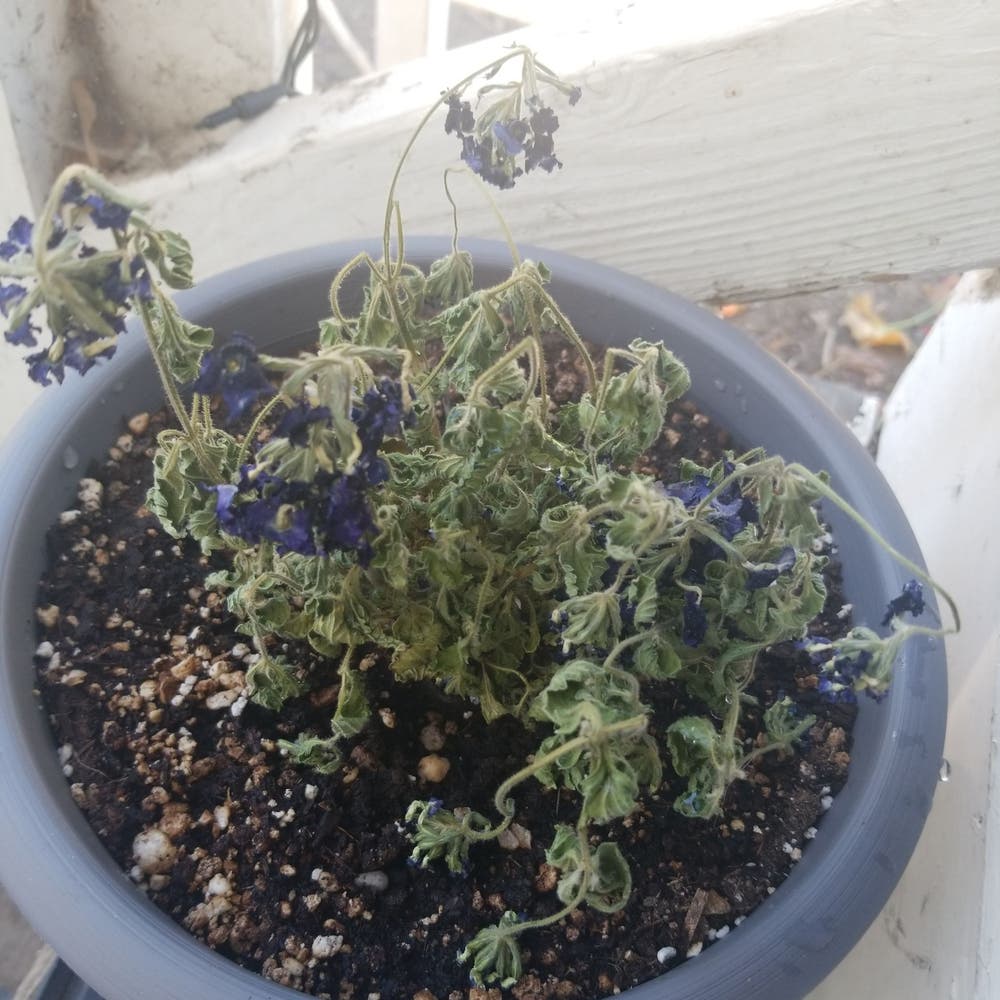
Hoary Vervain is Not an Invasive Plant
Verbena stricta
By the Greg Editorial Team
Aug 01, 2024•5 min read
This article was created with the help of AI so we can cover more plants for you. May contain errors. See one? Report it here.
Embrace Hoary Vervain's 🌿 gentle touch in enriching gardens and ecosystems, without the invasive worry.
- 🌱 Hoary Vervain is non-invasive, coexisting well with native ecosystems.
- 🐝 Supports pollinators and biodiversity, offering substantial ecological benefits.
- 🌼 Easily integrated into gardens, with simple growth management techniques.
Non-Invasive Status
Defining Invasiveness
Invasiveness in plants is a bit like an unwelcome guest who overstays their welcome and starts rearranging the furniture. To be labeled invasive, a species must not only be non-native but also capable of causing harm to the environment, economy, or human health. They tend to spread aggressively, outcompete local flora, and disrupt ecosystems. Hoary Vervain, on the other hand, doesn't fit this bill. It's a well-mannered resident of its native range, coexisting without crowding out its neighbors.
Regulatory Classification
When it comes to the rulebook of plant behavior, Hoary Vervain isn't on the "most wanted" list. It's not flagged by major environmental agencies or classified under invasive species regulations. This is because it doesn't exhibit the characteristics that typically warrant concern: rampant spread, displacement of native species, or significant ecological disruption. In fact, in many areas, Hoary Vervain is considered a valuable component of the local flora, contributing positively to biodiversity and ecosystem health.
Growth Patterns
Typical Behavior
Hoary Vervain thrives in the heat and dryness, much like it's unfazed by the summer's challenges. Its growth habits are versatile, adapting well to both disturbed and undisturbed areas. This resilience makes it a reliable choice for gardeners seeking a hardy addition to their landscapes.
Spread Potential
While Hoary Vervain has the capability to spread, its growth is not aggressive or unmanageable. Factors like its preference for well-draining soil and adaptability to full sun or partial shade naturally regulate its expansion. Here's what limits its spread:
- It doesn't exhibit the rapid, dominating growth that characterizes invasive species.
- Natural growth checks, such as soil type and light availability, keep it in balance with its surroundings.
Ecological Contributions
Benefits to Ecosystems
Hoary Vervain is a boon to ecosystems, offering a suite of ecological benefits. Its presence can enhance soil stability, prevent erosion, and contribute to the overall health of the habitat.
- Acts as a pioneer species, aiding in ecological succession.
- Provides essential nectar for bees and other pollinators.
- Supports biodiversity by attracting a variety of insects.
Wildlife Interactions
The relationship between Hoary Vervain and local wildlife is a testament to its ecological value. Pollinators, in particular, find a reliable source of sustenance in its flowers.
- Bees and butterflies are frequent visitors, aiding in pollination.
- Birds benefit from the plant's seeds, adding to their food sources.
- The plant's structure offers shelter to small animals and insects.
Cultivation and Control
Garden Design Integration
Hoary Vervain's self-sowing nature can be a boon for gardeners seeking a low-maintenance addition to their landscapes. Here's how to make it work for you:
- Pair with taller plants to naturally limit its spread, as Hoary Vervain tends to self-sow in open, low-lying areas.
- Use it to create vibrant edges or borders, where its tendency to self-sow enhances the design rather than disrupts it.
- Consider its attractive foliage and flowers for massing in sunny spots, rock gardens, or as a specimen plant in woodland gardens.
🌱 Growth Management
While Hoary Vervain is not aggressive, some control may be desired to maintain your garden's aesthetic. Here are tips to keep it in check:
- Regularly deadhead spent flowers to prevent excessive self-sowing.
- For larger areas, strategic mowing before seed set can limit spread without harming the plant's health.
- If necessary, hand-pulling is effective for removing unwanted seedlings, ensuring they don't take root in undesired locations.
- Monitor your garden regularly to observe the plant's behavior and adjust your management techniques accordingly.
Distinguishing Characteristics
🌿 Unique Qualities
Hoary Vervain stands out with its distinctive traits. Here's what sets it apart:
- Foliage: Its leaves are narrow and toothed, with a fine, woolly texture that gives the plant its 'hoary' descriptor.
- Flowers: The small, tubular, violet-blue flowers bloom in tight spikes, offering a unique visual appeal.
- Growth habit: Typically growing upright, Hoary Vervain reaches heights of up to 5 feet, with a less aggressive spread compared to many other species.
🧐 Invasive vs. Non-Invasive
When comparing Hoary Vervain to invasive plants, the differences are clear:
- Seed production: Unlike invasive species that often produce a high volume of seeds, Hoary Vervain's seed output is moderate.
- Spread potential: It lacks the aggressive colonization traits that characterize invasive plants, such as allelopathic effects or extreme drought tolerance.
- Ecological harmony: Hoary Vervain coexists well with native flora and fauna, enhancing biodiversity rather than disrupting it.
Sustainable Practices
🌱 Planting Guidelines
Hoary Vervain thrives with a few mindful practices. Here's how to grow it sustainably:
- Choose organic, non-GMO seeds to support biodiversity.
- Plant in well-draining soil, enriching with organic matter like compost.
- Water responsibly, using rain barrels or drip irrigation to conserve water.
- Avoid synthetic pesticides and fertilizers; opt for natural pest control methods.
- Harvest sparingly and allow the plant to self-sow, ensuring its continued presence.
🌍 Environmental Impact
Hoary Vervain isn't just a pretty face in the garden; it's an ecological hero.
- Supports pollinators by providing nectar and pollen.
- Enhances biodiversity by coexisting harmoniously with native flora.
- Acts as a natural pest deterrent, reducing the need for chemical interventions.
- By self-sowing, it maintains its presence without becoming overbearing, respecting the balance of the ecosystem.
⚠️ Safety First
This content is for general information and may contain errors, omissions, or outdated details. It is not medical, veterinary advice, or an endorsement of therapeutic claims.
Always consult a qualified healthcare professional before using any plant as food, medicine, or supplement.
Never eat any plant (or feed one to pets) without confirming its identity with at least two trusted sources.
If you suspect poisoning, call Poison Control (800) 222-1222, the Pet Poison Helpline (800) 213-6680, or your local emergency service immediately.
Spotted an error? Please report it here.
Nurture your garden's biodiversity 🐝 with Hoary Vervain and let Greg guide you in maintaining its balance for a thriving ecosystem.