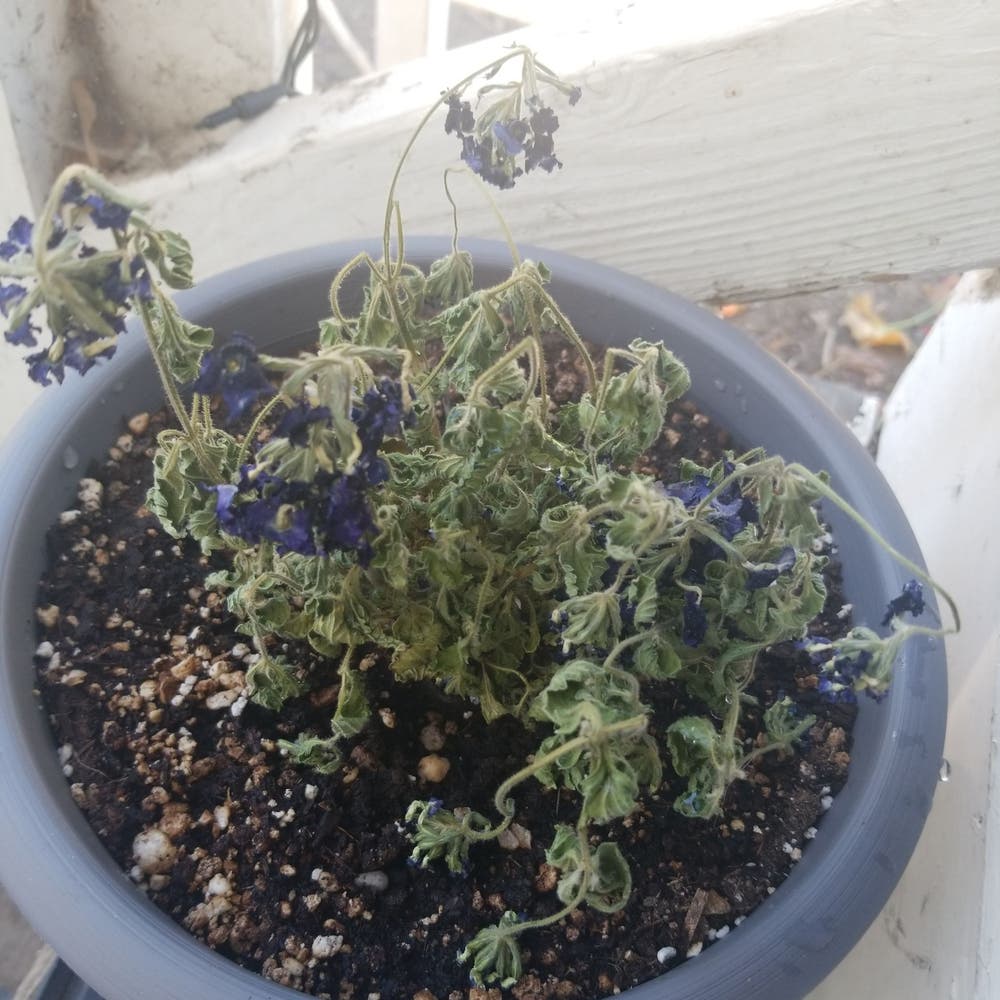
4 Factors Affecting Hoary Vervain Flowering
Verbena stricta
By the Greg Editorial Team
Aug 01, 2024•4 min read
This article was created with the help of AI so we can cover more plants for you. May contain errors. See one? Report it here.
Transform your garden's appeal 🌿 by unlocking the secrets to a flourishing Hoary Vervain bloom cycle. 🌸
- 🌞 Optimal sunlight is crucial: 6-8 hours for vibrant Hoary Vervain blooms.
- 🌿 Balanced nutrients and pruning: Essential for quality flowering and growth.
- 🌡️ Stable environment protects blooms: Mitigate stress with mulch and windbreaks.
Light and Flowering
💡 Optimal Sunlight for Blooms
Hoary Vervain thrives when basking in the right amount of sunlight. Let's diagnose why your blooms might be taking a raincheck. It could be a light issue. Here's how to tailor light exposure for a successful bloom cycle:
- Ensure your Hoary Vervain gets full sun, aiming for 6 to 8 hours of direct sunlight daily.
- Watch for signs of distress, like leaf scorch or a lack of blooms, which indicate too much or too little light.
💡 Correcting Light Problems
If your Hoary Vervain is playing hide and seek with its flowers, it's time to adjust its spotlight. Here's how to tweak the light for an encore performance:
- Relocate your plant to a sunnier spot if it's not blooming, but be mindful of the midday sun which can be too intense.
- Consider using grow lights to supplement natural light, especially during shorter days or in less sunny climates.
- Observe your plant's response to the changes and be patient—finding the Goldilocks zone for light may take some time.
Nutritional Influence
🌿 Identifying Nutrient Shortfalls
Hoary Vervain's lackluster blooms might be a cry for nutritional help. Here's how to spot the signs:
- Yellowing leaves or weak stems can indicate a need for a nutrient boost.
- Micronutrient deficiencies, such as boron, copper, and zinc, are often the culprits behind poor flower development.
- Regular soil tests can act as health check-ups, revealing what's missing in your plant's diet.
🌸 Fertilizing for Flowers
Feeding your Hoary Vervain correctly can turn things around. Here's how to fertilize for success:
- Use a balanced fertilizer formulated for flowering plants, following package instructions for rates and frequency.
- Avoid nitrogen-heavy diets that favor leaf growth over blooms; opt for a phosphorus-rich fertilizer to encourage flowering.
- Apply fertilizers at about half the recommended dosage to prevent over-fertilization, which can harm flower development.
Pruning for Blooms
🌸 Pruning Impact on Flowering
Pruning is a pivotal factor in the bloom cycle of Hoary Vervain. Done right, it can invigorate the plant, leading to a spectacular floral display. But incorrect pruning can lead to the opposite: a disappointing season with few or no flowers. To avoid this, gardeners should:
- Prune in alignment with the plant's natural growth cycle, ideally in spring.
- Recognize pruning-related flower drop, which can manifest as a sudden lack of blooms or an interruption in the flowering pattern.
🌿 Pruning Techniques for Health
To ensure a healthy bloom cycle, follow these best practices for pruning Hoary Vervain:
- Avoid over-pruning; never remove more than a third of the plant at one time to prevent shock.
- Prune after the initial flush of flowers to encourage a second blooming.
- Use clean, sharp tools to make precise cuts and prevent disease.
- After pruning, consider a light application of fertilizer to support new growth and flower production.
Environmental Factors
Temperature is a critical factor for the health of Hoary Vervain flowers. This plant thrives in a specific temperature range, and deviations can lead to abnormal flower development or even prevent blooming. High temperatures can accelerate water loss and stress the plant, while low temperatures may slow down growth and delay the flowering process.
- Ensure Hoary Vervain is planted in an area with stable temperatures.
- Monitor the local climate and provide shade or frost protection as needed.
🌿 Mitigating Environmental Stress
Protecting Hoary Vervain from environmental stress is key to maintaining its bloom cycle. Here are strategies to shield your flowers from the whims of weather:
- Use mulch to regulate soil temperature and retain moisture.
- Consider windbreaks or strategic planting to shelter Hoary Vervain from harsh winds.
- Stay vigilant during extreme weather events and take proactive measures to minimize stress on the plant.
Encouraging Healthy Blooms
To ensure your Hoary Vervain thrives, let's recap the essentials for overcoming flowering hurdles and fostering healthy blooms.
- Sunlight Mastery: Strike the perfect balance in light exposure to prevent bloom failure. Too much can stress the plant, too little can stunt its flowering potential.
- Nutritional Balance: Address nutrient deficiencies with a careful fertilization strategy. Use granular or liquid fertilizers at half-strength to avoid overfeeding and promote vibrant blooms.
🌿 Pruning for Prosperity
Pruning is more than just cutting back; it's about encouraging your Hoary Vervain to invest its energy in blooming. Remember:
Prune strategically to promote branching and flowering.
Deadheading spent blooms can stimulate further flowering, signaling the plant to keep producing.
Temperature Tact: Maintain a consistent temperature range to avoid abnormal flower development. Avoid sudden shifts that can stress the plant.
Stress Mitigation: Protect your Hoary Vervain from environmental stressors like pests and extreme weather conditions. Regular checks and prompt action can make a world of difference.
By addressing these key areas with precision and care, you're setting the stage for your Hoary Vervain to showcase its full blooming glory.
⚠️ Safety First
This content is for general information and may contain errors, omissions, or outdated details. It is not medical, veterinary advice, or an endorsement of therapeutic claims.
Always consult a qualified healthcare professional before using any plant as food, medicine, or supplement.
Never eat any plant (or feed one to pets) without confirming its identity with at least two trusted sources.
If you suspect poisoning, call Poison Control (800) 222-1222, the Pet Poison Helpline (800) 213-6680, or your local emergency service immediately.
Spotted an error? Please report it here.
Ensure your Hoary Vervain's blooms are brilliant 🌼 with Greg's custom care reminders, tailored to your plant's needs and local growing conditions!