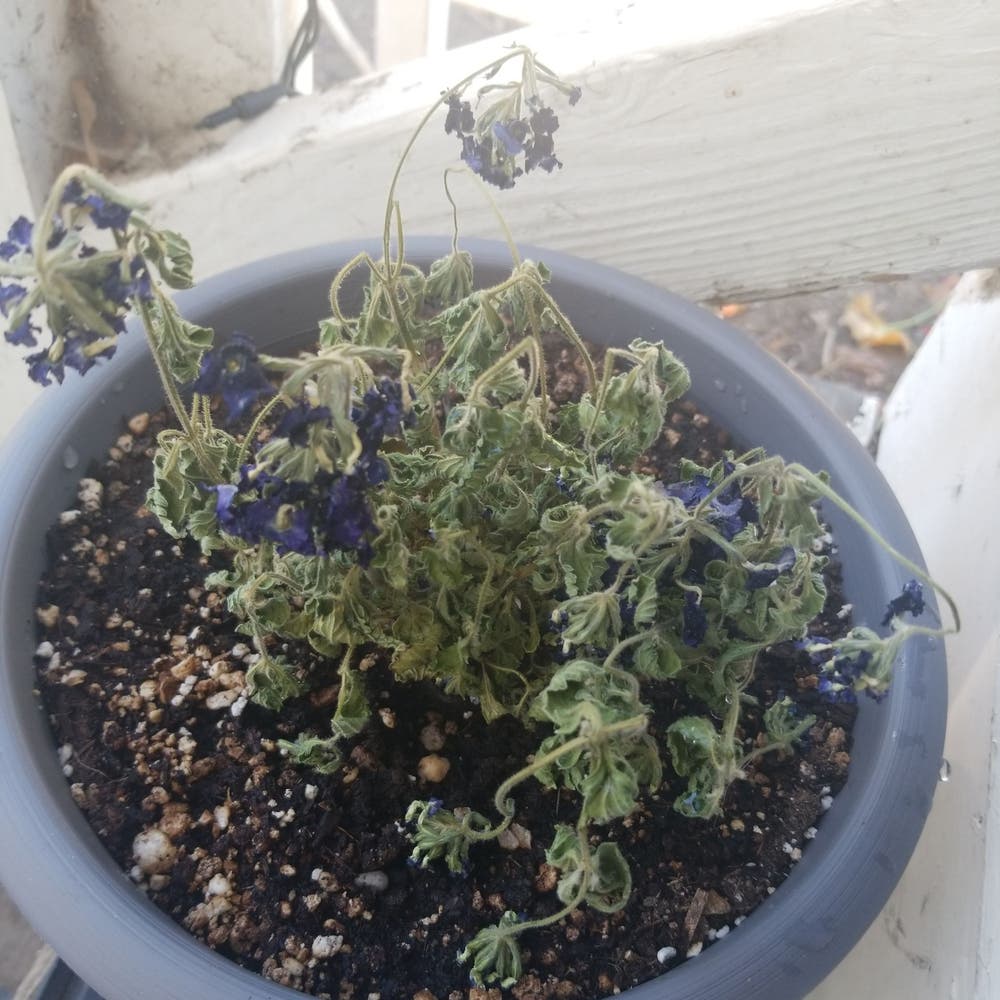
Understanding Curling Leaves on Your Hoary Vervain
Verbena stricta
By the Greg Editorial Team
Aug 01, 2024•4 min read
This article was created with the help of AI so we can cover more plants for you. May contain errors. See one? Report it here.
Decode your Hoary Vervain's leaf curl 🍃 and preempt plant woes for lush, vibrant growth! 🌿
- 🌿 Leaf curling signals care issues; assess for water, light, pests, or disease.
- 💧🌞 Adjust care routines for watering, lighting, and temperature to prevent curling.
- 🛡️ Proactive measures like routine checks and non-toxic pest control keep plants healthy.
Identifying Leaf Curl
🍃 Recognizing Symptoms
Curling leaves on Hoary Vervain can be a visual cue to underlying issues. Look for leaves that roll inward or display crispy edges, which deviate from their natural flat state. These changes are more than cosmetic; they're signals that your plant may need attention.
🌿 Assessing Plant Health
Quick checks can reveal a lot about the health of your Hoary Vervain. A plant with vibrant color and firm leaves usually indicates good health. However, if you notice leaves that lack luster or appear wilted, it's time to investigate further.
- Check the soil moisture: Is it too wet or too dry?
- Examine both sides of the leaves for pests or disease signs, such as webbing or sticky residues.
- Observe the plant's exposure to light and its reaction to current temperatures.
When to be concerned about leaf curling:
- The curling is accompanied by discoloration or a change in leaf texture.
- The plant shows overall signs of distress, like stunted growth or a significant drop in vigor.
- The curling pattern is sudden or severe, rather than a gradual or slight change in leaf shape.
Diagnosing Causes
🌿 Environmental Factors
Curling leaves on Hoary Vervain can often be traced back to environmental stressors. Let's dive into the signs and solutions.
- Water Stress: Overwatering results in soft, limp leaves, while underwatering leads to dry, crispy edges. Aim for soil moisture akin to a wrung-out sponge.
- Light Issues: Scorched, curling leaves may indicate too much light; elongated, reaching leaves suggest too little. Find that sweet spot with indirect, bright light.
- Temperature Effects: Extreme temperatures can wreak havoc. Hoary Vervain prefers moderate conditions, so shield it from drafts and direct heat sources.
Adjusting care to stabilize the plant's environment is crucial. Consistent watering, proper light, and stable temperatures will help your Hoary Vervain thrive.
🐛 Pests and Diseases
Pests and diseases can also cause leaves to curl on Hoary Vervain. Here's how to spot trouble and take immediate action.
- Common Pests: Look for aphids' sticky residue, spider mites' fine webbing, or the white fluff of mealybugs. These critters distort and curl leaves as they feast.
- Disease Symptoms: Fungal diseases like powdery mildew leave a telltale white coating, while other pathogens may cause black spots or discolored foliage.
Isolate affected plants to prevent spread. Use insecticidal soap or neem oil for pests, and prune away and treat diseased areas with appropriate fungicides. Remember, early detection and prompt treatment are key to recovery.
Treating Leaf Curl
🌿 Correcting Water and Light
- Ensure consistent watering, allowing the topsoil to dry out slightly between sessions. Overwatering can be as harmful as underwatering, so strike a balance.
- Provide bright, indirect light and rotate the plant periodically to promote even growth and prevent leaves from curling towards the light source.
🐜 Pest Control
- Favor non-toxic options like insecticidal soap or neem oil to combat pests. These methods are effective and environmentally friendly.
- Encourage beneficial insects and maintain good garden hygiene to prevent pest infestations from taking hold.
🦠 Disease Management
- Act swiftly at the first sign of disease. Remove and destroy affected plant parts to prevent spread.
- Use fungicides or bactericides judiciously, ensuring they're appropriate for Hoary Vervain. Always follow label instructions to avoid damaging the plant or its ecosystem.
Preventing Future Issues
Routine Care
Establishing a consistent care routine is crucial for the long-term health of your Hoary Vervain. Here's how to keep your plant in top shape:
- Water your plant when the top inch of soil feels slightly damp, avoiding both over and under-watering.
- Adjust your watering schedule with the seasons—less frequent in winter, more in summer.
- Inspect leaves during each watering for early signs of pests or disease.
- Prune regularly to encourage growth and remove any damaged foliage.
🦸 Proactive Measures
Taking proactive steps can significantly reduce the risk of future problems. Implement these strategies to safeguard your Hoary Vervain:
- Use well-draining soil and clean pots to prevent root rot and other diseases.
- Introduce beneficial insects or apply neem oil as preventive pest control measures.
- Avoid over-fertilizing; opt for a balanced approach to nutrition.
- Keep gardening tools sanitized to prevent the spread of pathogens.
- Ensure proper lighting and good air circulation around your plant.
⚠️ Safety First
This content is for general information and may contain errors, omissions, or outdated details. It is not medical, veterinary advice, or an endorsement of therapeutic claims.
Always consult a qualified healthcare professional before using any plant as food, medicine, or supplement.
Never eat any plant (or feed one to pets) without confirming its identity with at least two trusted sources.
If you suspect poisoning, call Poison Control (800) 222-1222, the Pet Poison Helpline (800) 213-6680, or your local emergency service immediately.
Spotted an error? Please report it here.
Combat curling leaves and keep your Hoary Vervain radiant 🌟 with Greg's custom care reminders for the right moisture, light, and temperature.