Best Tips for Hoary Vervain Health
Verbena stricta
By the Greg Editorial Team
Aug 01, 2024•6 min read
This article was created with the help of AI so we can cover more plants for you. May contain errors. See one? Report it here.
Decode your Vervain's SOS 🌊 and revive its vigor with these essential plant care tips! 🌿
- 🚿 Over/Underwatering: Look for yellowing or drooping leaves, adjust watering routine.
- 🌡️🌞 Balance light and temperature: Avoid scorching and leggy growth, maintain stable conditions.
- 🐞🍄 Combat pests and diseases: Use natural predators, remove affected foliage, ensure air circulation.
Watering Woes
Overwatering Signs
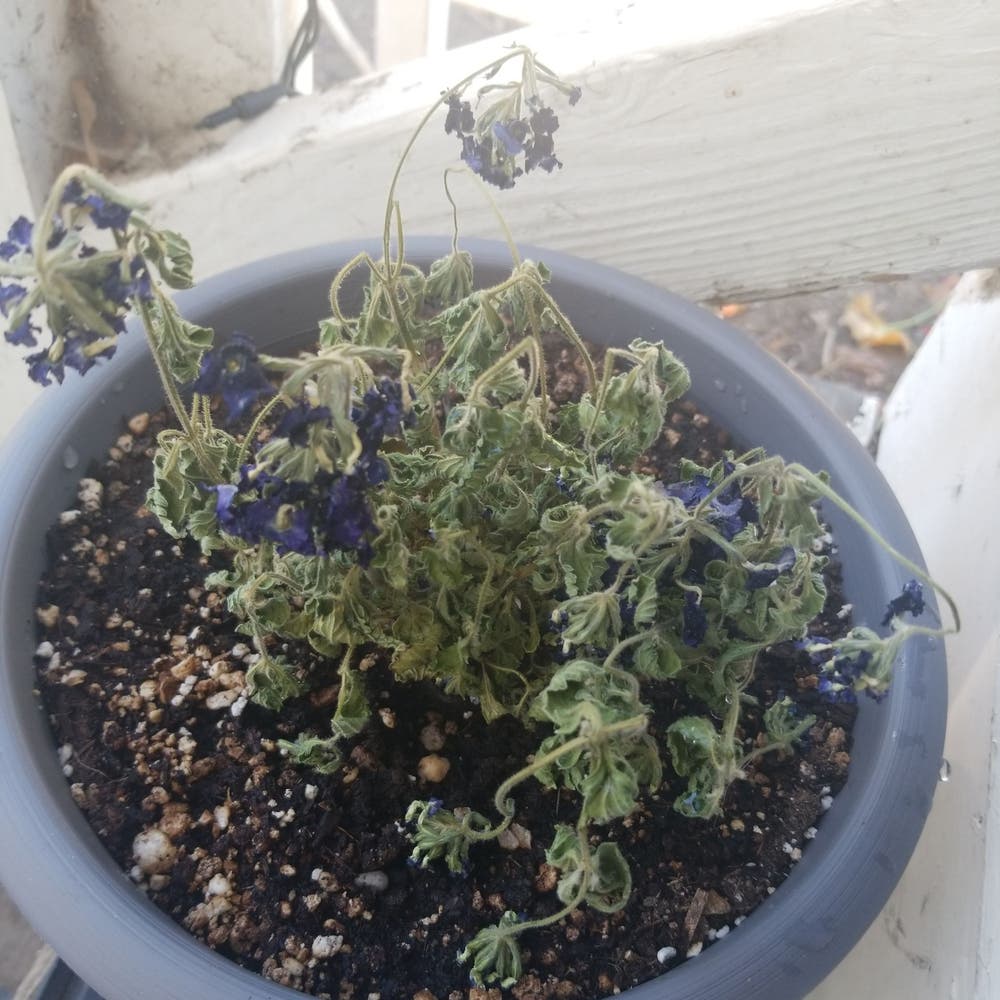
🌊 Wilting leaves on a Hoary Vervain can be deceiving; they may scream thirst but often whisper the woes of overwatering. Soggy soil, yellowing foliage, and a general look of despair are the plant's SOS signals. Overwatering invites trouble, from root rot to an open house for pests.
- To rescue your waterlogged Vervain, start by easing up on the watering.
- Check the soil drainage and switch to a mix that allows more breathability for the roots.
- If the plant is already in the clutches of root rot, gently remove it from the pot, trim away the damaged roots, and repot in fresh, well-draining soil.
Underwatering Symptoms
🏜️ On the flip side, underwatering leaves your Vervain as limp as a forgotten herb in the sun. The soil will be bone-dry, and the leaves may droop or curl, signaling a dire need for water.
- Begin by slowly reintroducing water to the parched soil until it's evenly moist.
- Establish a regular watering routine, being careful not to swing to the other extreme of overwatering.
- Consider mulching to help retain moisture and provide a more consistent water supply to your plant.
Light and Temperature
💡 Light Issues
Hoary Vervain thrives in the right light, but how do you tell when it's not getting enough or getting too much? Here's what to look out for and how to fix it.
Too Much Light:
- Leaves may show signs of scorching with brown, crispy patches or tips.
- The plant might have bleached spots or appear faded, as if it's been in the sun for too long.
Too Little Light:
- Look for leggy growth, where the plant stretches thin towards the light source.
- Leaves may become pale and the overall posture of the plant can seem weak.
To adjust the light conditions:
- Move the plant to a spot with bright, indirect sunlight.
- If natural light is insufficient, consider using grow lights but introduce them gradually.
- Rotate your plant periodically to ensure even light exposure.
Temperature plays a silent but pivotal role in the health of your Hoary Vervain. Keep an eye out for these temperature stress indicators:
Too Hot:
- The plant may wilt, have slow growth, or show signs of leaf discoloration.
- Leaves might droop or fall, signaling that the heat is too intense.
Too Cold:
- Stunted growth and yellowing leaves can indicate that the plant is too chilly.
- The plant may stop growing altogether if the temperature drops too low.
Here's how to create a stable temperature environment:
- Maintain a consistent temperature range suitable for Hoary Vervain.
- Protect your plant from drafts and avoid placing it near heating or cooling vents.
- Use a thermometer to monitor the temperature and make adjustments as needed.
Pests and Diseases
🦟 Battling Pests
Hoary Vervain can fall prey to pests just like any other plant. Here's how to keep them at bay:
- Identify the Culprits: Common pests include aphids, spider mites, and whiteflies. Look for visible insects, webbing, or sticky residue on leaves.
- Effective Strategies:
- Blast pests off with water or remove them manually.
- Use insecticidal soap or neem oil for a more targeted approach.
- Introduce natural predators like ladybugs to your garden.
- Isolate affected plants to prevent the spread of pests.
🦠 Disease Diagnosis
Diseases can sneak up on your Hoary Vervain, but you can fight back:
- Spot the Signs: Watch for powdery mildew, rust, and leaf spots. Symptoms include white or yellowish powdery growth, rust-colored patches, and discolored spots on leaves.
- Treatment and Prevention:
- Remove affected foliage and apply organic fungicides.
- Ensure good air circulation and avoid wetting the foliage to prevent mildew.
- Keep moisture levels in check to ward off root rot and other fungal diseases.
- Regularly inspect your plants for early signs of trouble.
Root and Leaf Care
🚱 Root Rot Prevention
Root rot can be a silent killer for Hoary Vervain. Here's how to spot and stop it:
- Regularly inspect roots for softness or discoloration, especially when seasons change.
- Ensure proper drainage and avoid overwatering—think of it as your plant's "no swimming after eating" rule.
To combat root rot:
- Improve soil aeration and consider fungicides as preventive bodyguards.
- If rot is detected, remove affected roots with sterilized tools and adjust your watering habits.
🌿 Leaf Health
Leaves are the storytellers of your Hoary Vervain's health. Pay attention to:
- Scorching or yellowing leaves, which often cry out for sun protection or nutrient balance.
- Fuzzy growth, which might indicate a fungal guest overstaying its welcome.
To maintain leaf vitality:
- Shield leaves from harsh sun and provide a balanced diet of nutrients.
- For fuzzy growth, improve air circulation and consider organic fungicides.
Growth and Development
Encouraging Healthy Growth
Hoary Vervain thrives when its growth conditions are optimized. Here's how to keep it on the right track:
- Monitor the plant's progress, noting any stunted growth or failure to flower.
- Adjust care practices based on the plant's response, considering factors like light, water, and nutrient intake.
To promote flowering and prevent etiolation:
- Ensure the plant receives full sun to partial shade for robust growth.
- Fertilize with a balanced blend, emphasizing phosphorus during the flowering stage.
- Prune strategically to encourage new growth and potential blooms.
- Employ plant growth regulators (PGRs) judiciously, if necessary, to control excessive leafiness.
- Maintain consistent watering, but adjust based on seasonal changes and the plant's lifecycle stages.
- Keep an eye out for signs of stress and address them immediately to avoid long-term issues.
Preventive Practices
Preventive care for Hoary Vervain involves a blend of technology and attentiveness. Here's how to stay proactive:
Using the Greg App for Care Reminders and Schedules
- Set reminders for watering and fertilizing to maintain consistency.
- Use the app's tracking features to log growth patterns and spot irregularities early.
Seasonal Care Adjustments for Hoary Vervain
- Adapt watering and sunlight exposure as the seasons change.
- Monitor temperature fluctuations that could stress the plant and act accordingly.
Routine Inspections and Early Intervention
- Regularly inspect leaves, stems, and soil for signs of pests or diseases.
- Take swift action at the first hint of any issue to prevent escalation.
⚠️ Safety First
This content is for general information and may contain errors, omissions, or outdated details. It is not medical, veterinary advice, or an endorsement of therapeutic claims.
Always consult a qualified healthcare professional before using any plant as food, medicine, or supplement.
Never eat any plant (or feed one to pets) without confirming its identity with at least two trusted sources.
If you suspect poisoning, call Poison Control (800) 222-1222, the Pet Poison Helpline (800) 213-6680, or your local emergency service immediately.
Spotted an error? Please report it here.
Nurture your Hoary Vervain to flourishing health 🌱 with Greg's personalized care reminders, helping you strike the perfect water, light, and temperature balance.