9 Winter Threats to Your Hoary Vervain
Verbena stricta
By the Greg Editorial Team
Aug 01, 2024•4 min read
This article was created with the help of AI so we can cover more plants for you. May contain errors. See one? Report it here.
Shield your Hoary Vervain from winter's bite 🌬️ and ensure a lush, vibrant spring comeback! 🌿
- 🌱 Understand dormancy for Hoary Vervain's winter survival.
- ❄️ Frost protection and indoor care are key in harsh winters.
- 🌤️ Post-winter revival involves pruning and gradual outdoor transition.
Winter Dormancy Explained
Winter prompts Hoary Vervain to enter a state of dormancy, a survival tactic where growth and metabolic activity slow down. This period of rest is crucial for enduring the cold and conserving energy for spring.
Understanding Hoary Vervain's dormancy cycle:
- Growth halts and energy is conserved.
- The plant becomes less susceptible to frost damage.
Assessing the plant's cold hardiness:
- Hoary Vervain is frost hardy but may require protection.
- Familiarize yourself with your USDA Hardiness Zone and the plant's specific needs.
Frost protection is key to ensuring your Hoary Vervain makes it through winter unscathed. Here's how to shield your plant from the chill.
Implementing frost covers and insulation:
- Use frost cloth or burlap to wrap the plant.
- Apply a thick layer of mulch to insulate the soil and roots.
Choosing the right microclimate for planting:
- Plant in areas that offer shelter from harsh winds.
- Ensure the location receives adequate sunlight during the short winter days.
Adjusting Winter Care
Winter demands a shift in your Hoary Vervain's care routine. As growth slows, so should your watering schedule.
- Cut back on watering, allowing the soil to dry out more than in the summer months.
- Cease fertilization; your plant is taking a rest, and extra nutrients won't be necessary until spring.
🏡 Indoor Care Considerations
Sometimes, the chill is too much, and your Hoary Vervain needs the warmth of your home.
- Bring your plant indoors before the first frost if you live in a region with harsh winters.
- Place it in a spot with ample sunlight and maintain a stable temperature, avoiding drafts.
Managing the indoor environment is crucial for your Hoary Vervain's winter survival.
- Ensure sufficient light, mimicking the plant's natural conditions as much as possible.
- Monitor humidity levels; dry indoor air can stress plants, so consider using a humidifier if needed.
Preparing for Spring
Spring heralds a time of renewal for Hoary Vervain, and post-winter care is crucial for its revival. Begin with a thorough pruning and cleanup.
- Remove dead or damaged foliage to prevent disease and pest infestation.
- Prune to shape the plant and encourage new growth, taking cues from the plant's budding patterns.
- Clear away debris from the plant's base to enhance air circulation and reduce moisture-related issues.
Next, assess the soil's condition and make necessary amendments.
- Conduct soil tests to determine pH levels and nutrient deficiencies.
- Enrich the soil with organic matter, such as compost or well-rotted manure, to improve texture and fertility.
- Apply a balanced, slow-release fertilizer to provide essential nutrients for the growing season.
🌱 Transitioning Outdoors
Acclimating Hoary Vervain to outdoor conditions is a delicate process that requires patience and observation.
- Gradually expose the plant to outdoor temperatures and sunlight over a period of 7-10 days.
- Begin with a few hours of indirect light and sheltered location, then slowly increase exposure.
- Monitor the plant for signs of stress, such as wilting or leaf scorch, and adjust the acclimation process accordingly.
Once outdoors, keep an eye on your Hoary Vervain for recovery and growth.
- Look for fresh shoots and leaves as indicators of successful acclimation.
- Ensure the plant receives adequate water, especially during dry spells, to support new growth.
- Protect from late spring frosts by covering with frost cloth or moving to a sheltered area if necessary.
Addressing Winter Damage
Winter can be tough on Hoary Vervain, but with the right approach, you can help your plants bounce back. Let's explore how to spot trouble and what to do next.
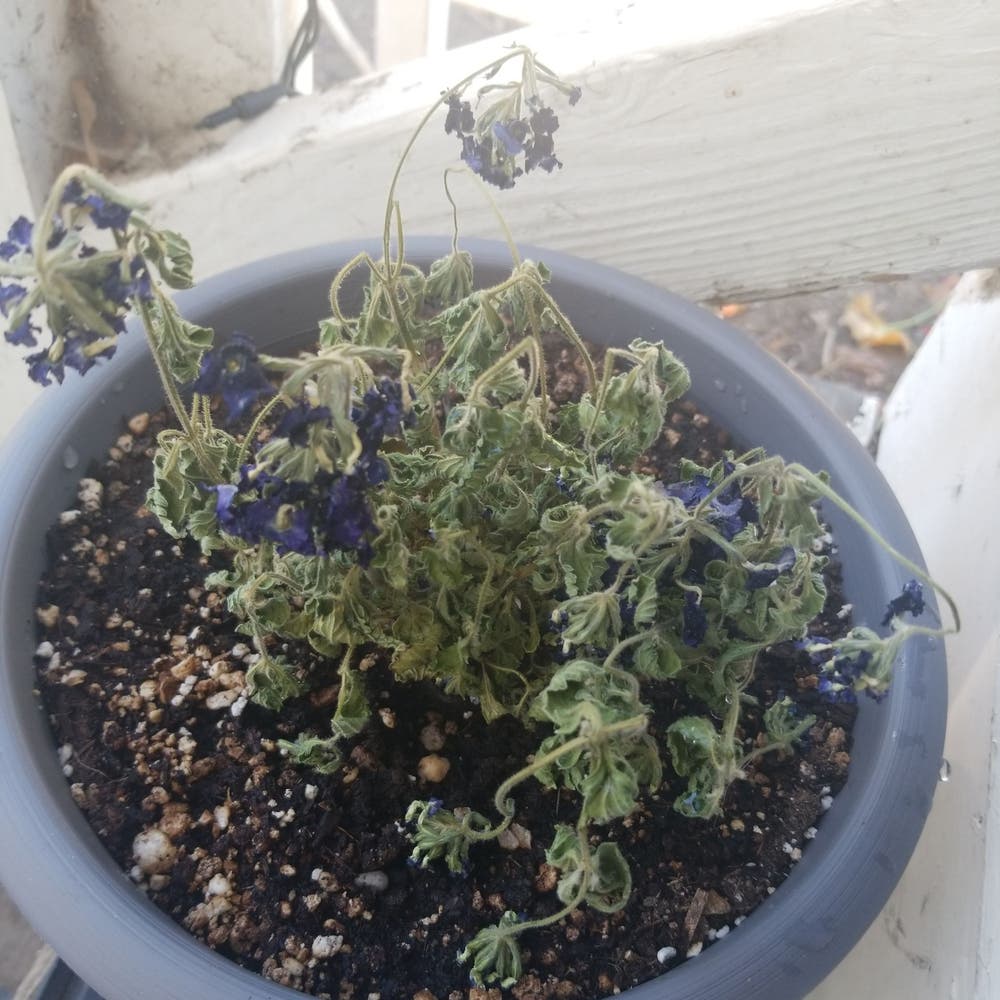
- Look for foliage that's scorched, brown, or dying back from the tips of branches.
- Check for signs of frost damage, such as soft, darkened areas on stems and leaves.
- Be vigilant for waterlogged roots, especially after thaw cycles.
🌱 Strategies for Revitalizing Damaged Plants
- Prune damaged tissue to prevent decay and encourage new growth.
- Water sparingly; overwatering can harm the recovering root system.
- Hold off on fertilizing until the plant shows signs of new growth to avoid overstimulating it.
- Mulch around the base to stabilize soil temperature and retain moisture.
- Monitor the plant's recovery, adjusting care as needed to support its return to health.
⚠️ Safety First
This content is for general information and may contain errors, omissions, or outdated details. It is not medical, veterinary advice, or an endorsement of therapeutic claims.
Always consult a qualified healthcare professional before using any plant as food, medicine, or supplement.
Never eat any plant (or feed one to pets) without confirming its identity with at least two trusted sources.
If you suspect poisoning, call Poison Control (800) 222-1222, the Pet Poison Helpline (800) 213-6680, or your local emergency service immediately.
Spotted an error? Please report it here.
Help your Hoary Vervain thrive 🌿 through winter with Greg's custom dormancy and revival care plans, ensuring a lush spring comeback.