Propagating Bangalow Palm: The Ultimate Guide
Archontophoenix cunninghamiana
By the Greg Editorial Team
Jun 18, 2024•4 min read
This article was created with the help of AI so we can cover more plants for you. May contain errors. See one? Report it here.
Propagate your own Bangalow palms 🌴 and cultivate a lush oasis from seed or pup with ease!
- Seeds vs. Offshoots: Each has pros and cons for Bangalow palm propagation.
- Supplies & Steps: Gather tools, follow specific steps for seeds or pups.
- Aftercare is Key: Proper light, water, and nutrients ensure young palm success.
Kickstarting Your Bangalow Palm Journey: Propagation Methods
🌱 Choosing Your Path: Seeds vs. Offshoots
Embarking on your Bangalow palm propagation journey begins with a critical choice: seeds or offshoots. Seeds might test your patience, as they can be slow to germinate and grow. However, they're often more readily available and can be a cheaper option if you're looking to grow many palms. On the flip side, offshoots (also known as pups) offer a shortcut to palm parenthood, with a faster track to a mature plant. But remember, not all palms produce pups readily, and sourcing them can be a challenge.
🛍️ Gathering Your Supplies
Regardless of your chosen method, you'll need some basic supplies. For seeds, get your hands on a small bowl for soaking, a growing medium, and a resealable plastic bag for germination. A spray bottle for moisture and a heat mat can boost your success rates. If you're team offshoot, prepare for surgery with a sharp knife and a new container with a suitable potting mix. Remember, the right tools can make or break your propagation game.

Planting the Future: Propagating from Seeds
🌱 From Seed to Seedling
Harvesting Bangalow palm seeds requires timing and technique. Wait for the fruit to ripen, then remove the fleshy exterior. Wear gloves; some palms have irritating sap. Soak the seeds to loosen any remaining pulp, then clean thoroughly.
🌱 Germination Station
For germination, think warm and moist. Use a well-drained substrate in pots—depth and spacing depend on seed size. Avoid waterlogging; consistent moisture is key. High temperatures promote uniform germination, but light requirements can vary—check if your species prefers sun or shade.
🌱 Baby Palm Care
After germination, it's all about the right care. Transplant seedlings before roots tangle, and don't rush fertilization—wait two months. Keep the soil moist with a spray bottle and place pots in a warm spot with indirect sunlight. Patience is your new best friend; these babies take time to grow.
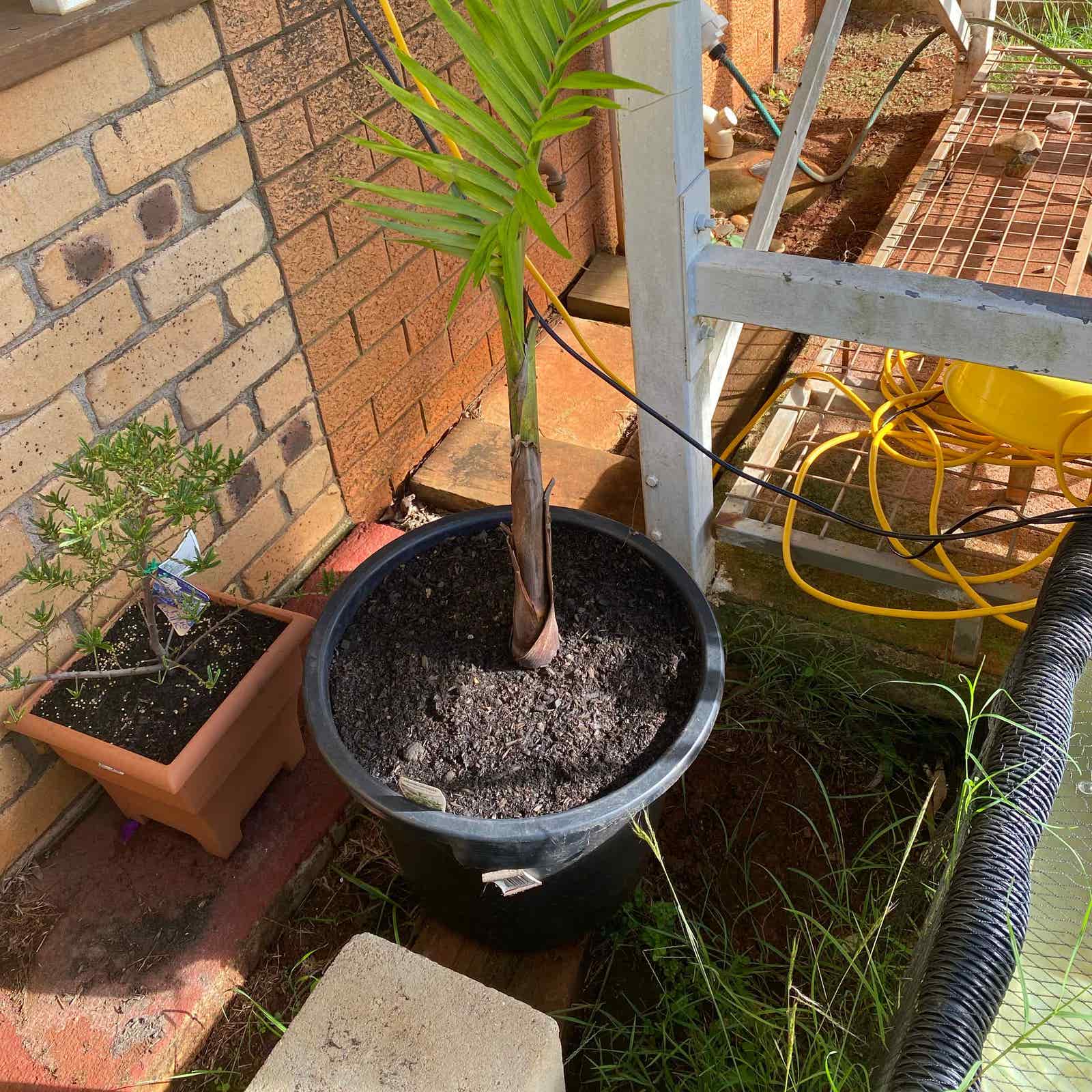
Budding New Beginnings: Propagating from Offshoots (Pups)
🌱 Picking the Perfect Pup
In the quest for new growth, selecting a healthy offshoot is paramount. Inspect the potential pups for vigor and vitality; they should be robust and free from any signs of distress or disease. Spots or blemishes? Swipe left, you want the cream of the crop. The ideal candidate will be about a quarter the size of the mother plant, big enough to stand on its own roots, so to speak. Use a clean, sharp instrument—think surgical precision—to separate the pup from its parent. A clean cut minimizes stress and reduces the risk of infection.
🌱 Planting Your Pup
Once you've liberated your pup, it's time to establish roots. Dip the cut end in a fungicide and rooting hormone to give it a fighting chance against rot and to encourage root development. Grab a pot that's cozy but not cramped, and fill it with a light, well-draining potting mix. Since these little guys can be top-heavy, resist the urge to bury them deep for stability. Instead, prop them up with stakes like training wheels until they can stand tall on their own. Keep the soil slightly moist, but don't drown the fledgling—think of it as hydration, not a bath. With the right care, your pup will soon be ready to bask in the sun and maybe even outshine its parent.

Aftercare for Propagated Bangalow Palms
🌿 The Right Spot
Finding the ideal location for your newly propagated Bangalow palms is crucial for their growth.
- Sunlight: These palms thrive in bright, indirect light. A spot near a south-facing window usually does the trick, mimicking their natural, sun-loving habitat.
- Airflow: Good ventilation is key to preventing fungal issues. Ensure there's enough space around the plant for air to circulate freely.
- Stability: Once situated, try to minimize moving the plant. Consistent conditions help the palm establish itself without stress.
🌱 Growth Support
Caring for young Bangalow palms means being attentive to their needs as they develop.
- Watering: Keep the soil moist but not soggy. Overwatering is a common misstep that can lead to root rot, so let the topsoil dry out slightly between waterings.
- Feeding: A balanced fertilizer will supply all the necessary nutrients. Apply it during the active growing season, avoiding the colder months when growth slows.
- Pruning: Trim away any brown or damaged fronds to focus the plant's energy on new growth. Remember, less is more—don't go Edward Scissorhands on it.
- Pests: Watch out for spider mites, the Bangalow's arch-nemesis. A gentle wipe with soapy water can help keep these critters at bay.
Remember, these aren't just tips; they're the golden rules for nurturing your Bangalow palm from a vulnerable newbie into a majestic, leafy companion.
⚠️ Safety First
This content is for general information and may contain errors, omissions, or outdated details. It is not medical, veterinary advice, or an endorsement of therapeutic claims.
Always consult a qualified healthcare professional before using any plant as food, medicine, or supplement.
Never eat any plant (or feed one to pets) without confirming its identity with at least two trusted sources.
If you suspect poisoning, call Poison Control (800) 222-1222, the Pet Poison Helpline (800) 213-6680, or your local emergency service immediately.
Spotted an error? Please report it here.
Propagate your Bangalow palms with confidence and see them thrive 🌴 using Greg's custom watering schedules and access to expert advice for every step of the growth journey.


