How to Know When to Repot a Bangalow Palm?
Archontophoenix cunninghamiana
By the Greg Editorial Team
Jun 18, 2024•4 min read
This article was created with the help of AI so we can cover more plants for you. May contain errors. See one? Report it here.
Boost your Bangalow palm's vigor 🌴 by spotting the perfect repotting moment for thriving growth!
- Tangled roots and slow growth signal it's time to repot your Bangalow palm.
- Choose a pot 2 inches larger with essential drainage holes.
- Post-repot care: Water thoroughly, avoid direct sun, and delay fertilizing.
Spot the Clues: When Your Bangalow Palm Needs a New Home
🌱 Root Tango: Tangled and Peeking Roots
Roots making a break for it through the drainage holes? That's your Bangalow palm's version of sending an SOS. A root-bound palm is like a genie in a bottle, except it's not granting any wishes until you give it more space.
💧 Thirsty Much? Water Drainage Woes
If watering your palm feels like pouring water into a swamp, it's a red flag. Poor drainage can lead to a host of issues, like root rot. It's the plant equivalent of sitting in a wet diaper—uncomfortable and unhealthy.
🐌 Slowpoke Growth: When Your Palm Stops Growing Up
When your Bangalow palm's growth slows to a snail's pace, it's not just being lazy. Stunted growth is a telltale sign that it's time to upgrade its living quarters. Think of it as a teenager that's outgrown its childhood bed.
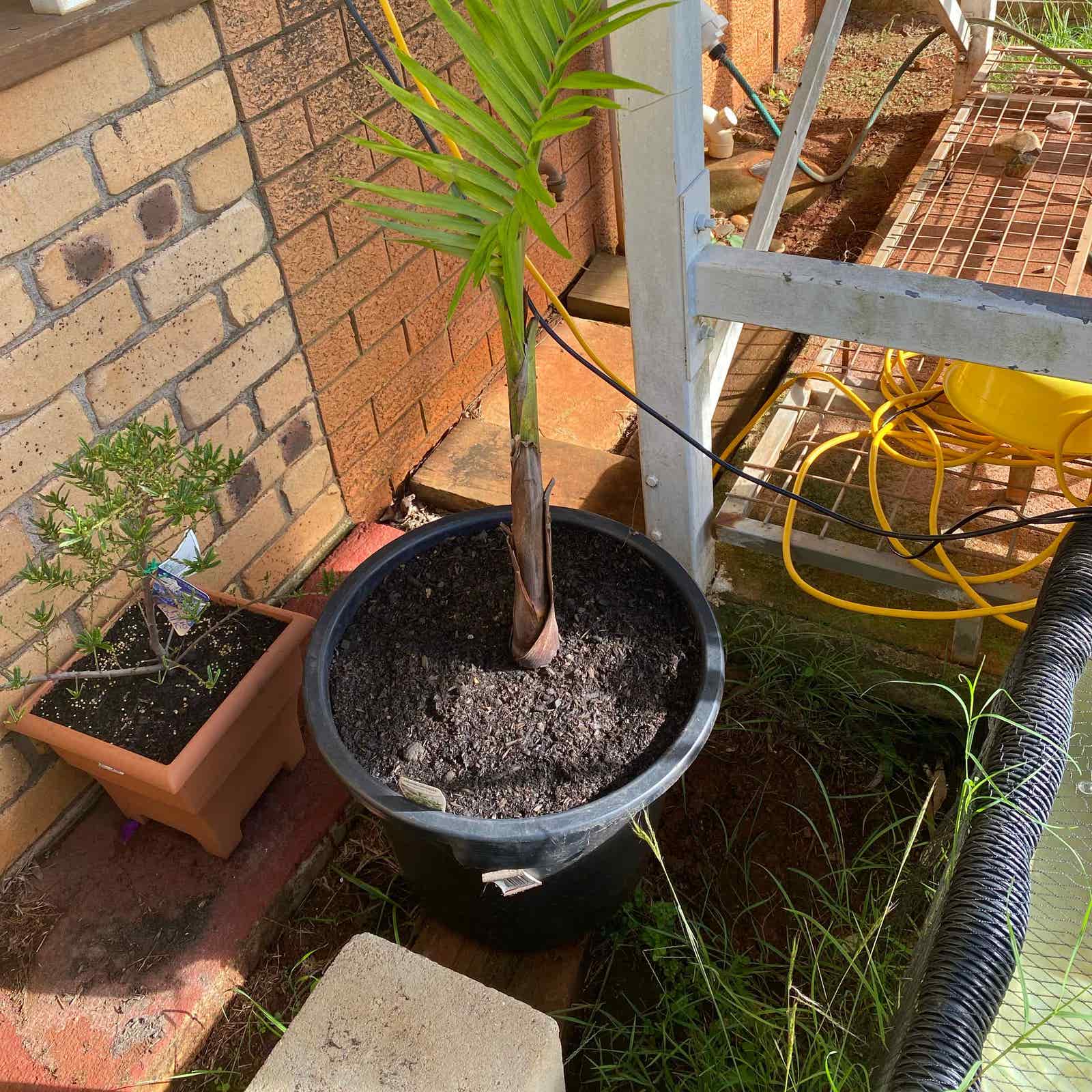
Choosing the Perfect Pot: Size, Material, and Drainage
🌱 Size Matters: Picking the Right Pot Size
Selecting the ideal pot size for your Bangalow palm isn't rocket science, but it's close. Aim for a pot that's about 2 inches larger in diameter than the current one. This gives the roots room to dance without stepping on each other's toes.
🏺 Breathability and Drainage: The Material Debate
Terracotta is the breathable choice, letting soil dry out like a charm. Plastic is the clingy type, holding onto moisture for dear life. Ceramic? It's the compromise candidate—less porous than terracotta, but still lets the soil breathe a bit. Choose based on your watering habits and the palm's need for a quick-drying soil environment.
🕳️ The Drainage Hole Dilemma: To Have or Not to Have
Drainage holes are the unsung heroes in the pot world. Without them, you're basically giving your Bangalow palm a one-way ticket to root rot city. So, yes, you absolutely need them. End of story.

The Repotting Rendezvous: A Step-by-Step Guide
🌴 Pre-Repot Prep: Getting Your Palm Ready
Before diving into the repotting process, prepare your Bangalow palm for the transition. Hold off on watering a few days prior; a drier root ball is easier to maneuver. Gather your supplies: potting soil, a new pot, and tools for the job. Ensure you have a workspace that can handle a bit of mess, like a covered table or outdoor area.
🏠 The Main Event: Repotting Your Palm
Step 1: Out With the Old
Lay out newspaper or a tarp to catch spills. Gently squeeze the pot or tap its sides to loosen the grip on your palm. Tilt the pot and coax the plant out, handling it by the base to avoid damage.
Step 2: The New Abode
Select a new pot that's a size or two larger than the old one—no oversized pots; Bangalow palms dislike too much space. Ensure it has drainage holes to prevent soggy roots.
Step 3: Root TLC
Examine the roots. If they're tangled, gently tease them apart. Snip away any dead or excessively long roots to encourage fresh growth.
Step 4: Planting Time
Place a layer of potting mix in the new pot. Set your palm in the center and fill around it with more soil. Firm the soil down to eliminate air pockets but don't compact it too much.
Step 5: Watering In
Immediately after repotting, give your palm a thorough watering. This helps settle the soil and rehydrates the roots, easing the shock of the move.
Step 6: Acclimatization
Keep your palm in a shaded area for a few days to recover. Resist the urge to fertilize right away; give it a few weeks to focus on root establishment first.
Remember, repotting is like moving to a new home for your Bangalow palm—it might take a moment to adjust, but with the right care, it'll soon be back to its vibrant self.

Post-Repot Pampering: Aftercare for a Happy Palm
💦 Watering Wisdom: Hydration After the Big Move
After repotting, water your Bangalow palm generously. This initial watering is like a welcome drink for your palm's new abode. Aim for moist, not soggy, soil. Moving forward, stick to a routine—watering every 9 days should suffice, but always check the soil's moisture level first. Overwatering is a no-go; it's a fast track to root rot city.
🌿 Settling In: Helping Your Palm Adjust
Your Bangalow palm needs time to acclimate to its new pot. Keep it in a spot with bright, indirect sunlight, and maintain a consistent temperature. Avoid the temptation to fertilize during this period; your palm's not ready for a nutrient hit just yet. It's all about stability now. If you notice any signs of distress, like yellowing leaves, give it time. Patience is key—your palm will thank you with lush growth.
⚠️ Safety First
This content is for general information and may contain errors, omissions, or outdated details. It is not medical, veterinary advice, or an endorsement of therapeutic claims.
Always consult a qualified healthcare professional before using any plant as food, medicine, or supplement.
Never eat any plant (or feed one to pets) without confirming its identity with at least two trusted sources.
If you suspect poisoning, call Poison Control (800) 222-1222, the Pet Poison Helpline (800) 213-6680, or your local emergency service immediately.
Spotted an error? Please report it here.
Repot your Bangalow palm with confidence by looking for tangled roots and stunted growth, and let Greg's custom reminders 📅 ensure you don't miss the perfect time to give your palm a new home.


