When and Where Should I Trim My Bangalow palm?
Archontophoenix cunninghamiana
By the Greg Editorial Team
Jun 18, 2024•4 min read
This article was created with the help of AI so we can cover more plants for you. May contain errors. See one? Report it here.
Ensure your Bangalow palm flourishes 🌴 by mastering the when and where of pruning—your plant's health depends on it!
- Prune in spring/summer, avoid autumn/winter to protect the palm's energy.
- Snip brown, yellow, or broken fronds at the trunk for palm health.
- Use sharp, disinfected tools; limit to 25% of foliage to prevent over-pruning.
Best Season for Pruning Bangalow Palms
🌱 When to Get the Clippers Out
Spring is your go-to season for giving your Bangalow palm a trim. This timing aligns with the plant's natural growth spurt, ensuring a quick recovery and lush regrowth. Summer also gets the green light for pruning; it's when you can clearly spot the fronds that are past their prime.
🚫 When Not to Prune
Hold off on the pruning shears during autumn and winter. These seasons are when your Bangalow palm is conserving energy, and cutting back its fronds can be a setback. Plus, freshly pruned palms are more susceptible to cold damage. Avoid pruning during wet conditions too; it's an open invitation for disease to waltz in.

Where to Make the Cut: Pruning Locations
✂️ Trimming the Fronds
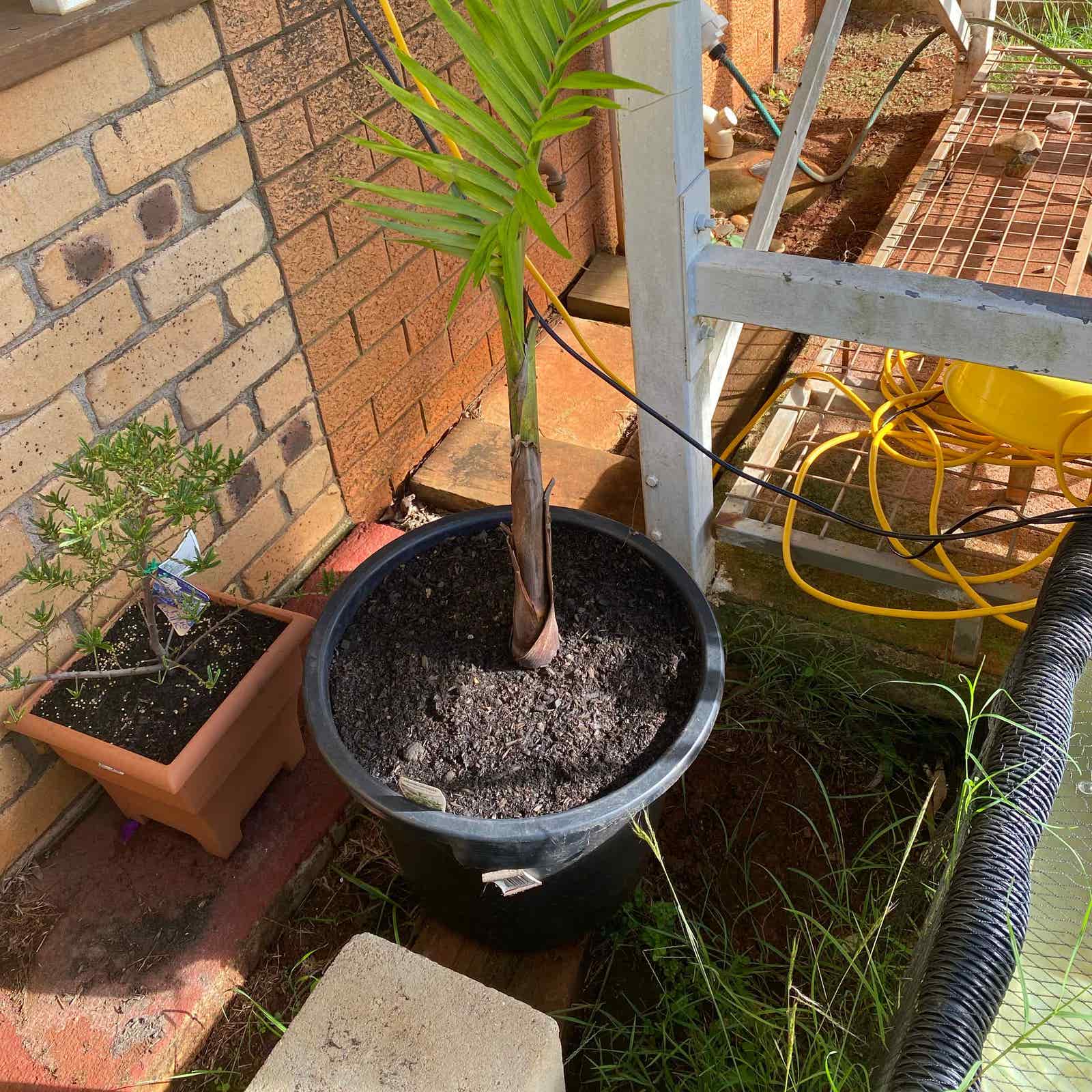
Fronds are the palm's lifeline, the leafy appendages that give it its lush appearance. Identify the fronds that need to go by looking for those that are brown, yellow, or broken. These are not just eyesores; they're dead weight. Snip them where they meet the trunk, but do it with respect—like you're giving the palm a well-deserved trim, not a back-alley haircut.
💐 The Heart of the Matter: Central Spike and Flower Stalks
The central spike and flower stalks are the drama queens of the palm world. They demand attention, and sometimes, they need to be cut back to keep the rest of the plant thriving. Decide if they're sapping too much energy or posing a risk with falling debris. If so, it's time to take action. Cut them back to their origin point, but never in the midst of their performance—wait until the show is over, and the flowers have faded.

Tools of the Trade: Pruning Equipment
🔪 Choosing Your Pruning Tools
Sharpness is non-negotiable. Grab a pair of pruning shears for the finesse work, perfect for snipping fronds under 3/4 inches. For the heftier cuts, lopping shears or a hand saw step up to the plate. Don't forget safety goggles and gloves; they're your best buds in the fight against accidental scrapes and pokes.
🔧 Keeping Your Tools in Shape
Keep your blades razor-sharp; a sharpening stone does wonders. Disinfect your tools with alcohol before and after pruning—think of it as hygiene for your garden. A wire brush and lubricant will keep your gear in top form, and a clean rag is essential for wiping away any gunk. Remember, well-maintained tools lead to clean cuts, and clean cuts lead to healthy plants.
Pruning with Purpose: Techniques and Tips
🌴 Step-by-Step Pruning Guide
Pruning your Bangalow palm isn't rocket science, but it does require a steady hand and a bit of know-how. Here's how to do it without turning your palm into a sad, leafless stick:
- Inspect your palm for dead or dying fronds—these are your primary targets.
- Clean your tools before you start; a quick dip in alcohol or a disinfectant solution will do the trick.
- Make the cut where the frond meets the trunk. Aim for precision; a sloppy cut is like a bad haircut—it just looks terrible.
- Limit your cuts to what's necessary. Removing more than 25% of the foliage is a no-no.
- Clean up after yourself. Those severed fronds won't pick themselves up.
🚫 Avoiding Over-Pruning
The key to not overdoing it? Patience and observation. Watch your palm's growth—if you're cutting more fronds than it's producing, you're on the fast track to a bald palm. And nobody wants that.
- Resist the urge to prune for purely aesthetic reasons. It's not about making a statement; it's about keeping your palm healthy.
- Remember the rule: never remove more fronds than your palm has produced since the last pruning session. It's about balance—like a good diet, but for plants.
⚠️ Safety First
This content is for general information and may contain errors, omissions, or outdated details. It is not medical, veterinary advice, or an endorsement of therapeutic claims.
Always consult a qualified healthcare professional before using any plant as food, medicine, or supplement.
Never eat any plant (or feed one to pets) without confirming its identity with at least two trusted sources.
If you suspect poisoning, call Poison Control (800) 222-1222, the Pet Poison Helpline (800) 213-6680, or your local emergency service immediately.
Spotted an error? Please report it here.
Trim your Bangalow palm to perfection by letting Greg remind you 📅 when it's the ideal season for pruning, ensuring your palm stays healthy and thriving.


