How Do I Cure Bangalow Palm Root Rot?
Archontophoenix cunninghamiana
By the Greg Editorial Team
Jun 18, 2024•4 min read
This article was created with the help of AI so we can cover more plants for you. May contain errors. See one? Report it here.
Rescue your Bangalow palm 🌴 from root rot and ensure its lush future with expert tips.
- 🍂 Yellow leaves and wilting signal Bangalow palm root rot.
- Immediate action: cut water, prune roots, apply fungicide.
- Prevent rot with well-draining soil, less water, better air flow.
Spotting the Red Flags: Symptoms of Root Rot in Bangalow Palm
🚩 Visual Clues on the Fronds
Yellowing leaves on your Bangalow palm are like a distress flare shot into the sky. Wilting and stunted growth are the plant's version of a white flag. These visual symptoms are your cue to take a closer look.
🕵️ Below the Soil: Root Inspection
To confirm your suspicions, you'll need to get your hands dirty. Root discoloration and a texture that's more mush than firm are telltale signs of rot. A stench of decay is the rotten cherry on top of this unfortunate sundae.

First Response: Immediate Actions to Treat Root Rot
🚱 Cutting Back on Water
Overwatering is often the arch-nemesis of the Bangalow palm. If you suspect root rot, it's time to channel your inner desert dweller. Cut back on watering immediately. Let the soil's top layer dry out completely before you even consider another watering session. This isn't just about restraint; it's about survival.
🌿 Pruning for Plant Health
When it comes to root rot, think of yourself as a surgeon. Sterilize your tools—scissors, shears, whatever you've got that's sharp—and get to work. Snip away the mushy, brown roots that smell like defeat. Remember, healthy roots are the goal, so don't get snip-happy and cut the good ones. After the operation, disinfect the remaining roots with a copper-based fungicide to prevent any lingering pathogens from throwing a comeback party.

Going the Extra Mile: Advanced Treatment Strategies
🌱 Soil and Environment Adjustments
Modifying soil composition is not just about playing in the dirt; it's a strategic move in the chess game against root rot. Bangalow palms crave well-draining soil, so consider adding perlite or coarse sand to increase aeration. Compost can also be a game-changer, enriching the soil and improving its structure over time.
🛡️ Choosing and Applying Fungicides
When it comes to fungicides, think of them as your plant's personal bodyguards. Selecting the right fungicide involves reading labels like an FBI agent scrutinizing evidence. Go for products with active ingredients like thiophanate methyl or azoxystrobin, and don't forget to rotate them to keep the pathogens guessing. Apply as a soil drench, but only after you've checked the plant's mood—meaning, apply during the cooler hours for maximum absorption. Remember, overuse is a no-go; use them judiciously, as if they're the last slice of pizza at a party.
Always consult the Organic Materials Review Institute (OMRI™) list for organic options if that's your jam. And, of course, ensure you're not just pouring chemicals on a problem that could be solved with better cultural practices—like improving air circulation and avoiding the siren call of overwatering.
Building Defenses: Preventing Future Root Rot
💧 Watering Wisdom
Watering your Bangalow palm correctly is crucial to preventing root rot. Establish a routine that allows the soil to dry out between waterings. Overzealous watering is like throwing a lifeline to root rot pathogens. Instead, master the art of deep and infrequent watering to encourage strong root growth and resilience.
🌱 Soil and Potting Mastery
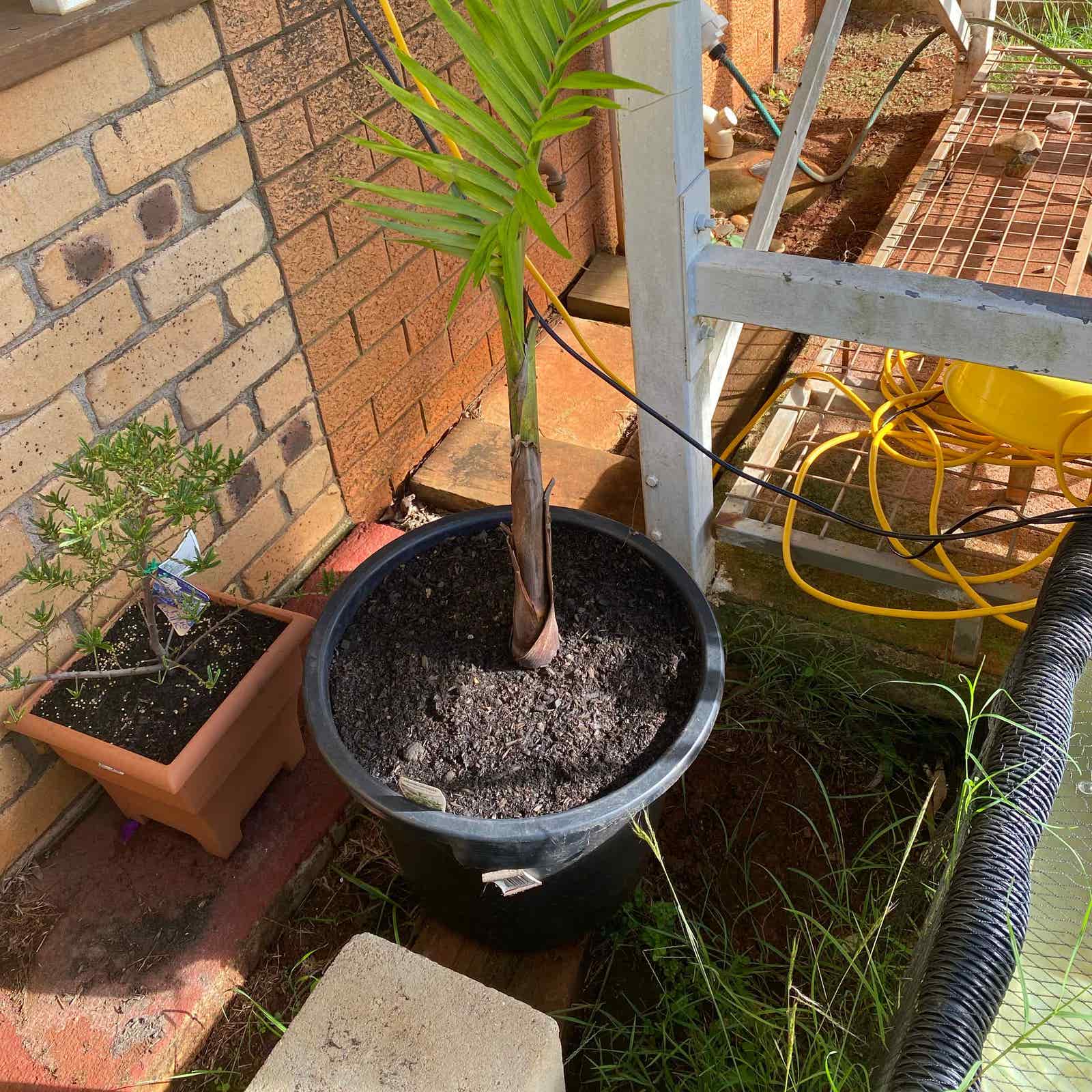
The right soil mix is your palm's best friend. Opt for a well-draining mix, incorporating perlite or sand to break up dense soil. Ensure your pot has adequate drainage holes; if not, grab a drill. Remember, a pot that's too spacious invites moisture retention and root rot, so choose a size that's just right.
🏡 Creating the Ideal Home
Bangalow palms thrive in a stable environment. Keep them in a spot with balanced light exposure and good air circulation. Protect them from strong winds and excessive humidity. By maintaining these conditions, you're not just growing a palm; you're fortifying a green fortress against root rot.
⚠️ Safety First
This content is for general information and may contain errors, omissions, or outdated details. It is not medical, veterinary advice, or an endorsement of therapeutic claims.
Always consult a qualified healthcare professional before using any plant as food, medicine, or supplement.
Never eat any plant (or feed one to pets) without confirming its identity with at least two trusted sources.
If you suspect poisoning, call Poison Control (800) 222-1222, the Pet Poison Helpline (800) 213-6680, or your local emergency service immediately.
Spotted an error? Please report it here.
Eradicate Bangalow Palm root rot by adjusting care and soil, and let Greg 🛡 protect your palms with personalized watering schedules and health tips.


