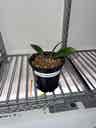
Arrowhead Plant
Taxonomy

Syngonium spp.
Syngonium
Araceae
Alismatales

How to care for Arrowhead Plant
How often to water your Arrowhead Plant

every 9
Arrowhead Plant needs 0.5 cups of water every 9 when it doesn’t get direct sunlight and is potted in a 5" pot.
Use our water calculator to personalize watering recommendations to your environment or download Greg for more advanced recommendations for all of your plants.
Water 0.5 cups every
9
Finding light for Arrowhead Plant in your home

a window
Arrowhead Plant can tolerate being far from a window and light source.
Place it less than 6 feet from a south-facing window to ensure it receives enough light to survive 💪.
Select your region to see how the current weather in your area affects the placement of Arrowhead Plant in your home 🏡.
How to fertilize Arrowhead Plant

Most potting soils come with ample nutrients which plants use to produce new growth.
By the time your plant has depleted the nutrients in its soil it’s likely grown enough to need a larger pot anyway.
To replenish this plant's nutrients, repot your Arrowhead Plant after it doubles in size or once a year—whichever comes first.
-
Kevin is thriving!!! ❤️ #HappyPlants #PlantsMakePeopleHappy #PlantAddict #NewGrowth #PlantTherapy #PlantCorner #PlantLove #PlantDaddy
-
I got my plant a couple weeks ago and I got about a week until I get paid. I’m using ground up egg shells, coffee grounds, cucumber water. I’ve had to cut a few brown parts off. I had to move the plant cause the leaves were turning pale it’s now near a humidifier cause I have AC due to breathing problems. This is my first plant and was given to me so I’m kinda nervous
-
I can’t begin to express how deeply this plant holds significance for me. It belonged to my foster father, who passed away in September 2025. When we were cleaning out his apartment, I took it because it was in a state of disrepair. My foster father was battling numerous health issues, including the amputation of his right leg above the knee, which caused him immense emotional and physical pain. When I say the plant was in poor condition, I mean it was in a truly dire state. I brought it home and placed it in a cup of water. A few days ago, I noticed that it had developed beautiful new roots, so I transferred it to a 10 inch clay pot. This plant is named Kevin in memory of my foster father, who has passed away. I apologize for sharing this sad story, but I wanted to convey the profound impact this plant has had on my life. #HappyPlants #PlantsMakePeopleHappy #NewGrowth #PlantTherapy #PlantDads
-
What's wrong with her? My syngonium red arrow was full and happy. But when she started to get yellowing leaves, I moved her further away from the east-facing window, thinking it was too much sunlight. She's still near a humidifier, and she doesn't get as much direct light. Watering is fine. But she's still not happy. I hear they're a little different from your average syngonium. What am I doing wrong? #syngonium #syngoniumsquad #llanocartiroad #plantsmakepeoplehappy #plantaddict
-
I seen this plant on a 50% off wrack in my favorite plant shop. It wasn’t doing well but I thought it would be a fun little plant project. I’ve never heard of a Syngonium ‘Mickey’ before! It’s supposed to get really pink! I’m excited to watch this one grow! #HappyPlants #PlantsMakePeopleHappy #PlantAddict #NewGrowth #PlantTherapy #syngonium #syngoniumpodophyllum #mickey #sungoniummickey #syngoniumpodophyllummickey #BeforeAndAfter
-
Why are my arrowheads leaves turning brown? I watered this plant a couple days ago when it started getting brown tipped leaves and it seemed to perk up. I cut off the leaves that were growing but now it’s getting brown tips again. What can I do to help? Also the leaves are becoming paler and just looking a lot less healthy. I need advice fast bc I fear this might be killing my plant. Thank y’all in advance! @DreamMachine @MariansOasis @nellz4estfairyz @princesspitstop @WhizNeem3 @ZestyWhiteghost #HappyPlants #PlantsMakePeopleHappy #PlantAddict #NewGrowth #PropagationStation #PlantTherapy #NewPlantMom #PlantCorner #
-
My plant is growing well but how do I get the leaves to turn pink. #Syngonium
-
How do I care for her? Thank you #PlantAddict #Syngonium #HappyPlants #PlantsMakePeopleHappy #PlantLove
-
My wendlandii needs help! She was so bushy and beautiful when I got her about 6 months ago. I keep her watered about once a week and I moved her to the bathroom by the window hoping a little more sun would help her because she was kinda away from the window in the living room...idk what else to do.
-
Why is this drying #Syngonium


Care Summary for Arrowhead Plant
Arrowhead Plant
 Greg recommends:
 Water
Water
0.5 cups every 9 days
 Placement
< 6ft from a window
 Nutrients
Repot after 2x growth
Based on the 4” pot your plant is in, and that it doesn’t get direct sunlight.
 Trending in your area














 Similar to Arrowhead Plant


✨ Discover rare plants
Linnaei Kunth

Cleistocactus icosago…
Thelocactus macdowell…

Aeonium 'Blushing Bea…

Lavandula Pedunculata

Milky Widow's Thrill

Crassula 'Purple Drag…
Philodendron 'Silver …

Stomatium acutifolium

Variegated Arrowhead …

Cereus peruvianus 'Pa…

Sarcochilus fitzgeral…

Tuber Fleeceflower

Raphionacme flanaganii
Phalaenopsis schiller…

Euphorbia