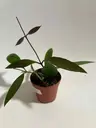
Selaginella schultesii
Taxonomy

Selaginella schultesii
Selaginella
Selaginellaceae
Selaginellales

How to care for Selaginella schultesii
How often to water your Selaginella schultesii

every 12
Selaginella schultesii needs 0.5 cups of water every 12 when it doesn’t get direct sunlight and is potted in a 5" pot.
Use our water calculator to personalize watering recommendations to your environment or download Greg for more advanced recommendations for all of your plants.
Water 0.5 cups every
12
Finding light for Selaginella schultesii in your home

a window
Selaginella schultesii can tolerate being far from a window and light source.
Place it less than 6 feet from a south-facing window to ensure it receives enough light to survive 💪.
Select your region to see how the current weather in your area affects the placement of Selaginella schultesii in your home 🏡.
How to fertilize Selaginella schultesii

Most potting soils come with ample nutrients which plants use to produce new growth.
By the time your plant has depleted the nutrients in its soil it’s likely grown enough to need a larger pot anyway.
To replenish this plant's nutrients, repot your Selaginella schultesii after it doubles in size or once a year—whichever comes first.
-
How often should I change my water stake on my Angel Moss ? My moss has drank up all the water I had in the stake. Should I wait a couple days before I put the stake back in ? #HappyPlants #PlantsMakePeopleHappy #help #AngelMoss
-
Not enough water This app wants me to kill my club moss. I swear it wants me to water every two weeks what I should water every day. How do I adjust the app? Because this is crazy. Can I even grow club moss without a terrarium?
-
I’ve seen better days… I think a new pot is in order…?? #rainbowfern
-
Any pointers on how one would start some cuttings in soil, in a planter vs in a terrarium? I want to grow them in a hanging basket and was wondering if this is really possible without killing them. Any advice would be greatly appreciated.
-
Can you get these guys to root in water without them getting root rot? I won't be able to get any soil mix for a few days and don't want to kill them 😭
-
Iv had mine in a ceramic bowl for a few weeks now, it's almost over halfway Green again, do I wait until it's fully green and hydrated before letting it dry out again? How long do I let it be dry before adding water again? #RoseOfJericho
-
Best soil for krauss spikemoss?
-
My club moss looks yellow and brittle. Can this be saved. I have her two feet from a southwest window. #ClubMoss
-
Just woke up my resurrection plant! #HappyPlants #PlantsMakePeopleHappy #PlantTherapy #RarePlants #RoseOfJericho
-
Is he burnt? 😢 I'm a first time plant parent IDK what wrong , any advice is appreciated


Care Summary for Selaginella schultesii
Selaginella schultesii
 Greg recommends:
 Water
Water
0.5 cups every 12 days
 Placement
< 6ft from a window
 Nutrients
Repot after 2x growth
Based on the 4” pot your plant is in, and that it doesn’t get direct sunlight.
 Trending in your area

Swiss Cheese Vine

Blushing Bride Air Pl…

Polka Dot Begonia

Ponytail Palm

Satin Pothos

Pincushion Peperomia

Rattlesnake Plant

Waxplant

Arabian Coffee Plant

Tradescantia Zebrina

Cylindrical Snake Pla…

String of Bananas
Phalaenopsis Orchid

Florist Kalanchoe

Ficus Ginseng

Lipstick Echeveria

Moon Cactus

String of Pearls
 Similar to Selaginella schultesii


✨ Discover rare plants

Tuber Fleeceflower

Sedeveria 'Blue Elf'

Euphorbia

Aglaonema Spitfire

Eden Climbing Rose

Milky Widow's Thrill
Stanhopea tigrina

Hoya fitchii

Picasso's Paintbrush

Rainbow Echeveria

Linnaei Kunth

Tillandsia caerulea A…

Christmas Candle

Royal Flush Split Rock

Miss All-American Bea…

Maroon Pitcher Plant

Stomatium acutifolium