
Whitlavia Saxifrage
Taxonomy

Saxifraga 'Whitlavei Compacta'
Saxifraga
Saxifragaceae
Saxifragales

How to care for Whitlavia Saxifrage
How often to water your Whitlavia Saxifrage

every 9
Whitlavia Saxifrage needs 0.5 cups of water every 9 when it doesn’t get direct sunlight and is potted in a 5" pot.
Use our water calculator to personalize watering recommendations to your environment or download Greg for more advanced recommendations for all of your plants.
Water 0.5 cups every
9
Finding light for Whitlavia Saxifrage in your home

a window
Whitlavia Saxifrage may have difficulty thriving, and will drop leaves 🍃, without ample sunlight.
Place it less than 3 feet from a south-facing window to maximize the potential for growth.
Select your region to see how the current weather in your area affects the placement of Whitlavia Saxifrage in your home 🏡.
How to fertilize Whitlavia Saxifrage

Most potting soils come with ample nutrients which plants use to produce new growth.
By the time your plant has depleted the nutrients in its soil it’s likely grown enough to need a larger pot anyway.
To replenish this plant's nutrients, repot your Whitlavia Saxifrage after it doubles in size or once a year—whichever comes first.
-
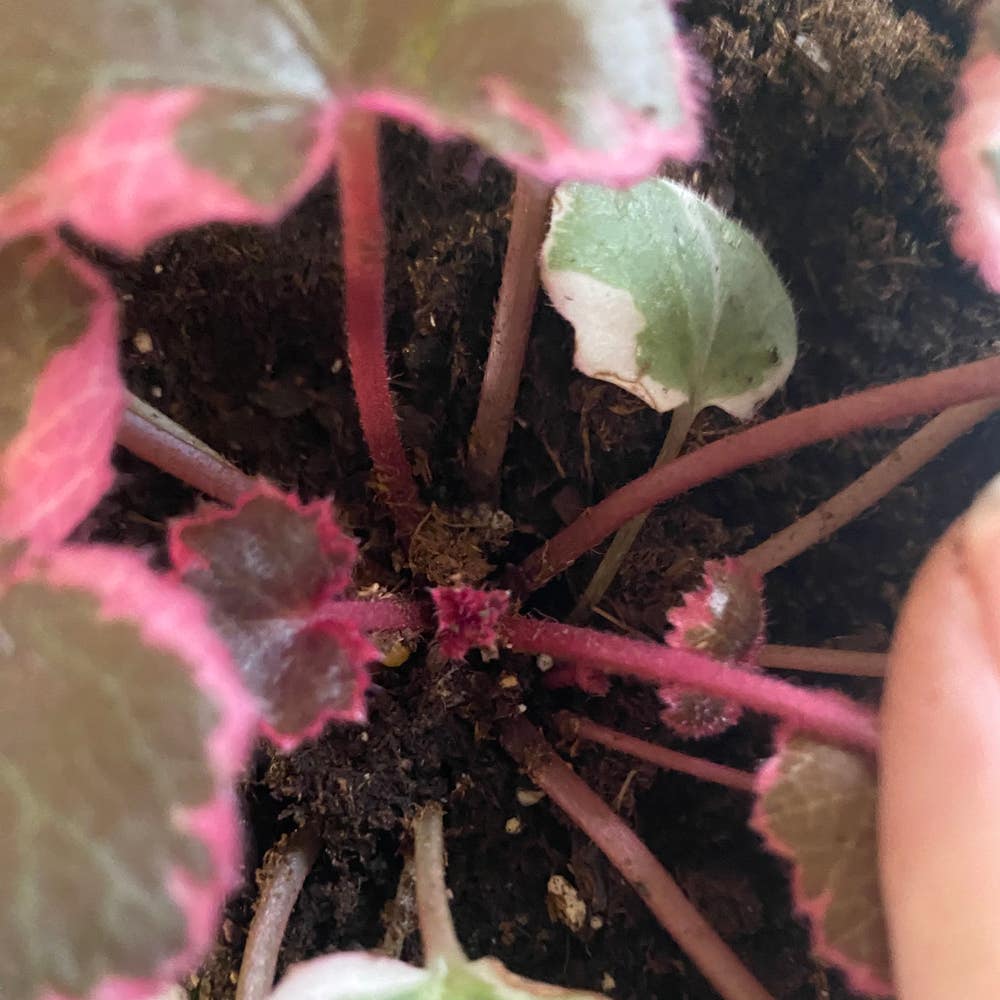
Why are some leave fully white/pink and have no green on my strawberry begonia? My earlier leaves when I first bought her as a baby houseplant had some pink on mainly green leaves with only the very baby leaves being fully pink. I’m now getting some leaves that have lots of white or are fully white? She’s doing a lot better than before but just want to make sure I’m doing it right. Pinky is my favourite plant. #StrawberryBegonia
-
My strawberry begonia is finally thriving! Was so scared I’d killed her as she was doing so poorly not long after I got her (couldn’t find the right position / watering schedule) but look!!! Yay!!! #PlantsMakePeopleHappy #NewGrowth #NewPlantMom #StrawberryBegonia
-
It looks like babies are growing. What do I do with these long strands with leaves? Do I just let them continue to grow or need to replant them? #StrawberryBegonia
-
This is my new baby. She’s is so beautiful!!
-
So many strawberry begonias… Ok— last question of the day. This is my #indestructibleplant. I abuse it, I forget it exists… it’s in a pot without drainage… the list goes on. And even after all this, she keeps gifting me with ALL THE BABIES. Should I repot her? Are all of these babies because she’s running out of room? 😂🤷🏻 #pleaseadvise #toomanyplants #StrawberryBegonia #babyplants #helpneeded
-
Does this plant need an outdoor cold period to reflower? #MossySaxifrage
-
New growth 🥰 happy plants. Yay! I love this little girl, she’s so pretty to me. #NewGrowth #PlantAddict #HappyPlants #PlantsMakePeopleHappy #GregGang #FreshLeafFriday
-
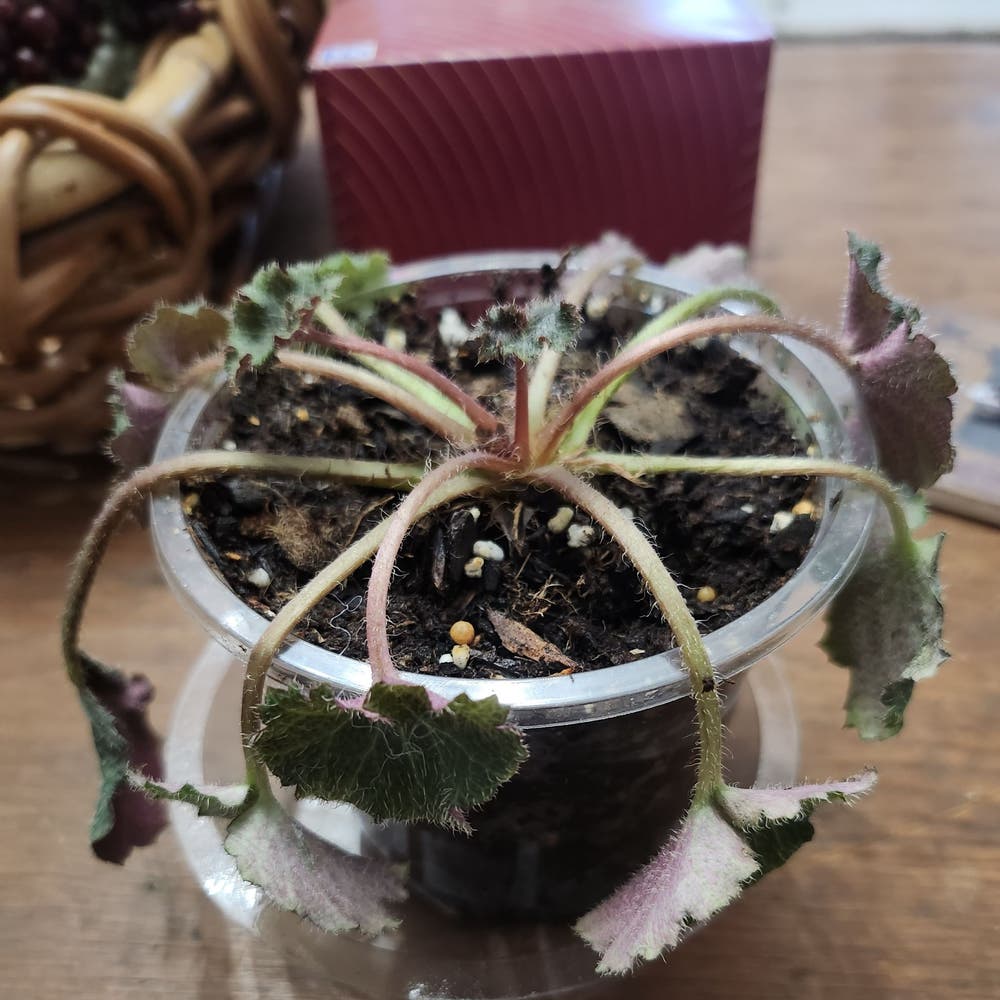
What's wrong with my Strawberry Begonia?? I've recently noticed that my little strawberry begonia has become floppy and the leaves have become soft. I watered it to see if it would perk back up but even after a day, there is no improvement. I've had it sitting under a grow light with a couple other younger plants, all of which are completely fine. The new growth is still going strong. What do I do?? Can it still be saved?? This is my first strawberry begonia so I have no idea what to do.
-
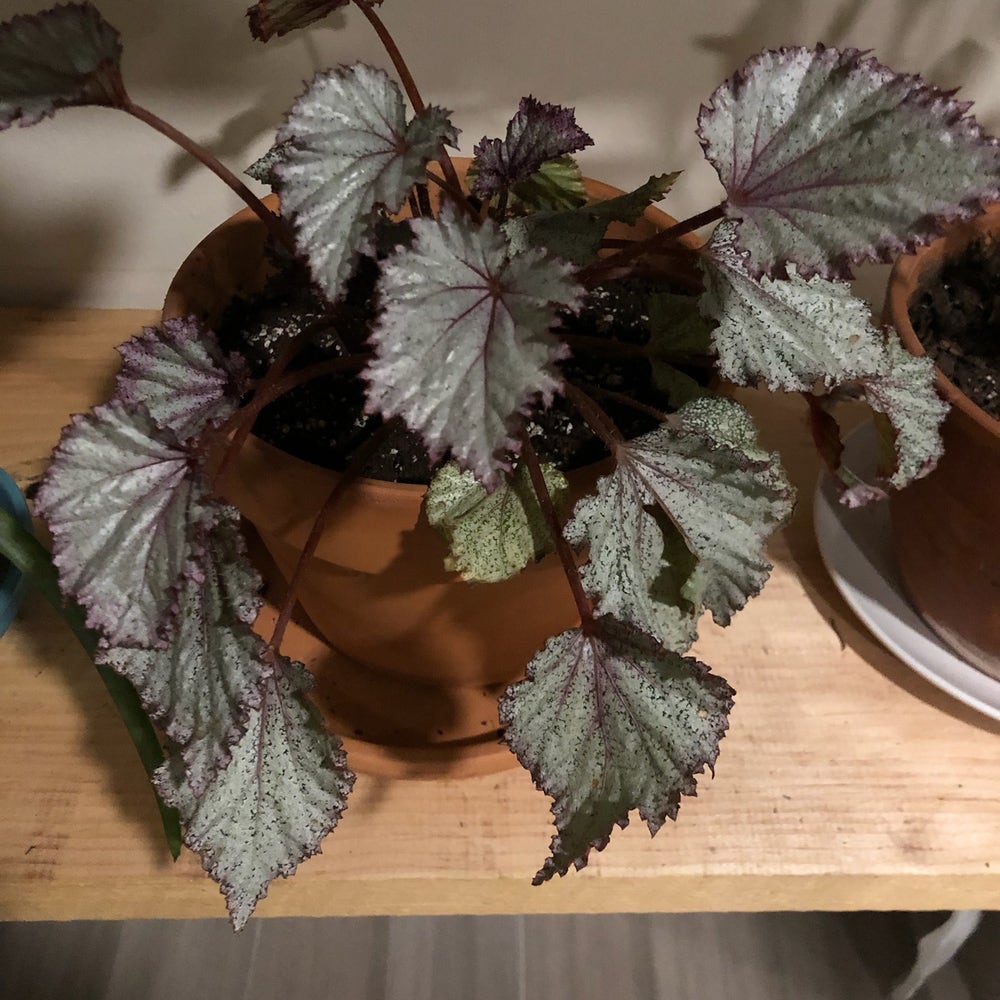
Begonia Species I was gifted some begonia babies and need help identifying! I was thinking Rex but no idea which one, of course the babes look like Strawberry 🥴. Here are photos of the babes and mom. #begonia (they are listed on their own in the app so I just tagged one) 🌱 #NewEnglandGregGang 🌱 #MaineGang 🌱 #ThePlantMompy
-
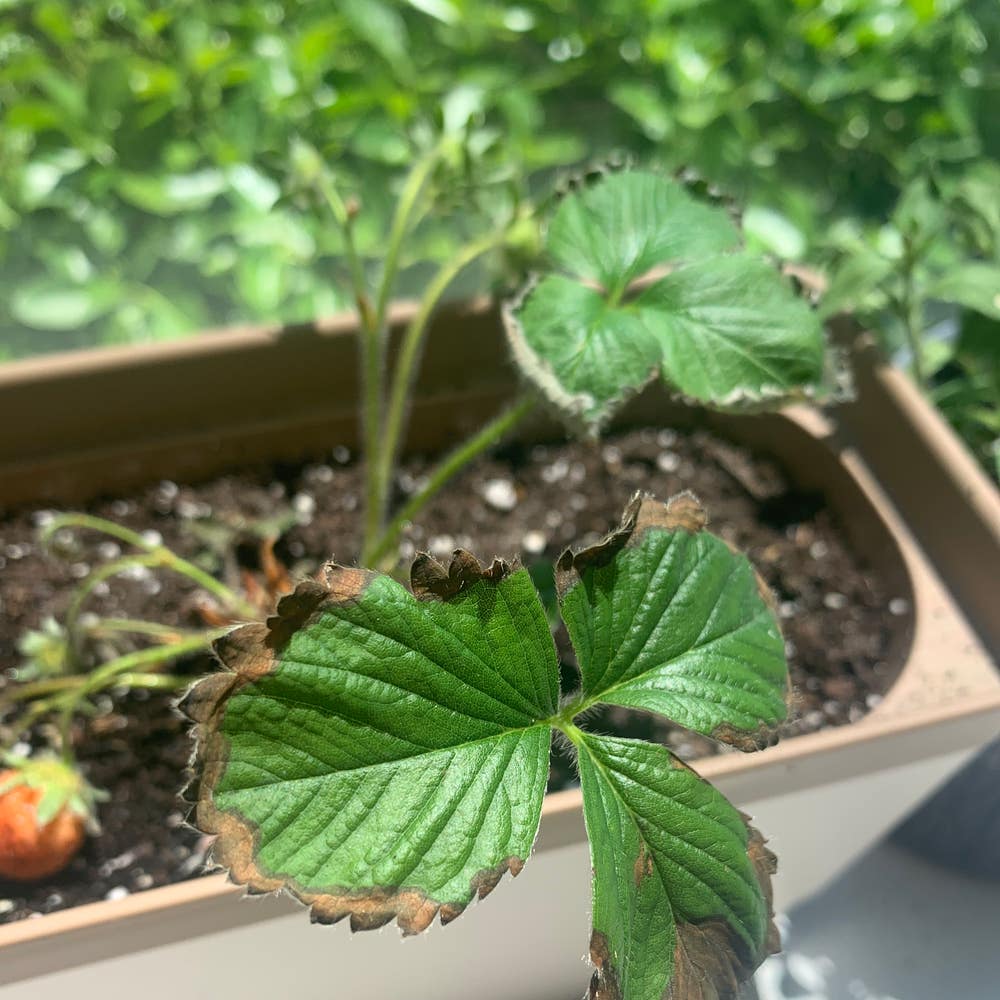
Strawberry Plant Dying Most of the leaves turned brown and fell off, and now the last two leaves are starting to turn brown. It seems to of put all its energy into that one strawberry. It’s a self watering planter so all I do is fill the bottom when it’s empty and sprits the top of the soil when it gets dry. I moved it to a window with more direct sunlight. I’m not sure what else to do


Care Summary for Whitlavia Saxifrage
Whitlavia Saxifrage
 Greg recommends:
 Water
Water
0.5 cups every 9 days
 Placement
< 3ft from a window
 Nutrients
Repot after 2x growth
Based on the 4” pot your plant is in, and that it doesn’t get direct sunlight.
 Trending in your area














 Similar to Whitlavia Saxifrage

✨ Discover rare plants

Ruby Ball

Miss All-American Bea…

Linnaei Kunth

Fagraea ceilanica

Peperomia 'Harmony's …

Christmas Candle

Electric Blue Gecko

Cleistocactus icosago…

Anthurium 'Fantasy Lo…

Anthurium Fingers

Black Monkey Thorn Tr…

Anastasia Weeping Fig

Aeonium 'Blushing Bea…
Skeleton Key Pothos

Euphorbia baioensis

Fernleaf Lavendar

Large Leaf Elephant B…
